

Pupils follow food from farm to fork in innovative Welsh project
Nation.Cymru Staff
Primary school pupils in south Wales have spent a year learning where their food comes from as part of a project connecting classroom learning with farming.
Bridgend Sustainable Food Partnership brought together Slade Farm Organics and Afon-y-Felin Primary School for the one-year project, designed to connect children with the land, local food producers and the changing seasons through practical learning.
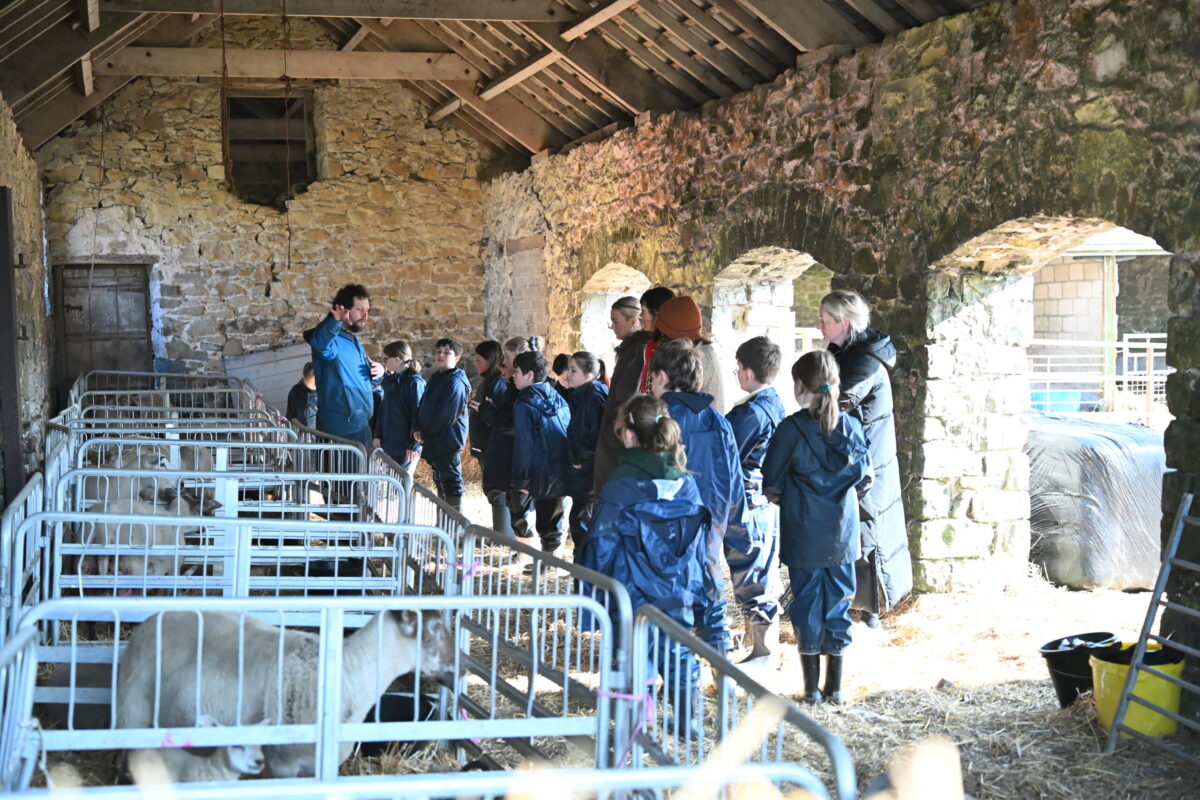
Over the course of the school year, pupils visited Slade Farm Organics at different stages in its farming calendar, while also developing their own growing project back at school.
The first visit took place in September 2025, where they were introduced to the working farm and its vegetable-growing areas.
They returned during the winter lambing season and again in spring to see how the farm and its crops changed throughout the year.
The children helped plan which crops to grow, planted and cared for vegetables, received regular farm updates, and took part in cooking sessions using organic and seasonal produce.
During the autumn term, Cooking Together Wales also delivered a six-week cooking skills course to help pupils build essential kitchen skills, alongside further cooking sessions delivered by Angharad Underwood of The Cookalong Clwb.
Their learning culminated in a summer celebration for parents and families at the end of term, where pupils helped prepare, serve and eat a menu made using produce they had grown themselves, alongside ingredients from Slade Farm.
The pop-up restaurant menu included broad bean and pea hummus, chickpea tagine made with locally grown aubergines and courgettes, seasonal salads and frozen yoghurt made using local berries.
The recipes were developed around the crops the pupils had planted, allowing the children to follow the full journey from planning and growing food to cooking and sharing it with their families.
The project was facilitated by Bridgend Sustainable Food Partnership, and was funded through Welsh Government Local Food Partnership Funding.
Confidence
Graeme Wilson, a third-generation farmer at Slade Farm Organics, said the repeated visits had allowed the children to become increasingly confident and involved in life on the farm.
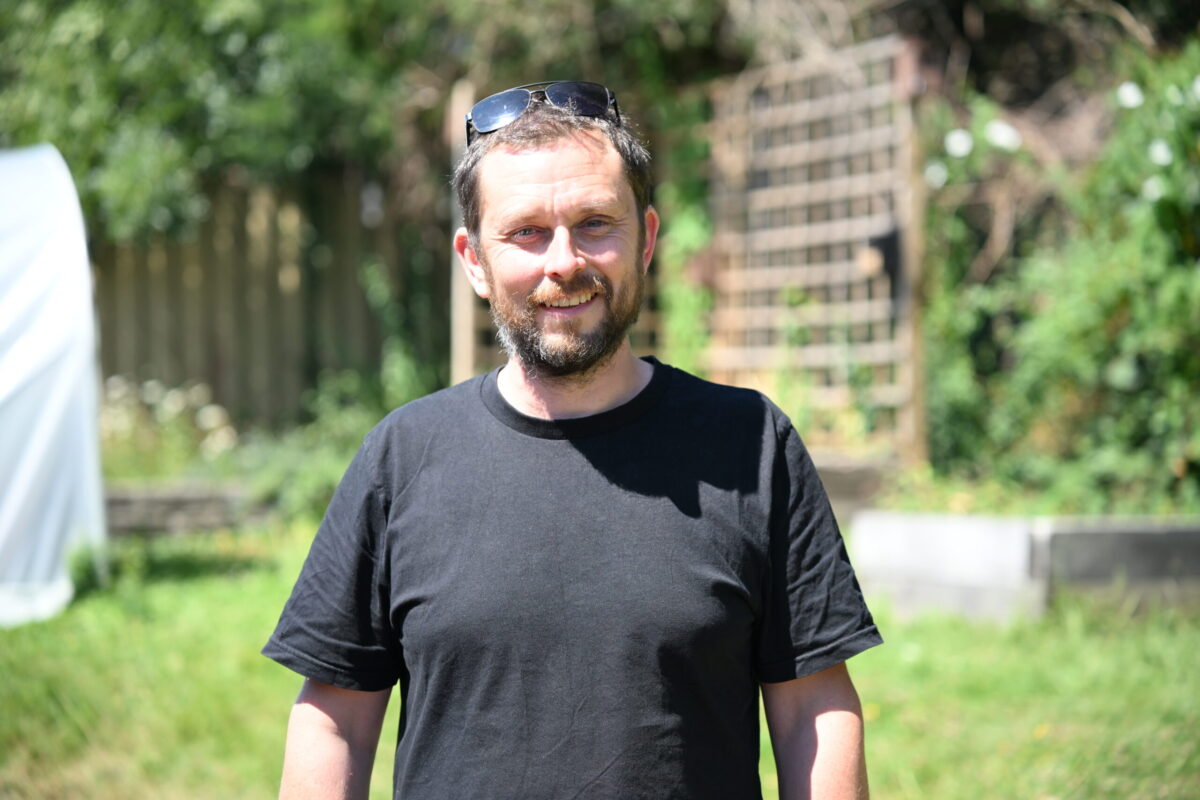
Graeme said: “What has been really rewarding is seeing the journey the children have gone on. They might arrive feeling overexcited or a little nervous about being on a working farm, but by their final visit they are much more comfortable.
“They understand what is happening and they are genuinely contributing to the work of the farm. The children began by talking about seeds and growing food as something quite abstract.
“Then came that light-bulb moment: pulling beetroot from the ground and starting to think about how they could turn it into chocolate brownies. They were making that full connection and really beginning to own the process of growing food.”
“There is something really important about children following the seasons and returning to the same place and people over time. It allows them to build confidence, develop a much deeper understanding and ultimately change their relationship with food. I think that is how food literacy develops.”
Growing spaces
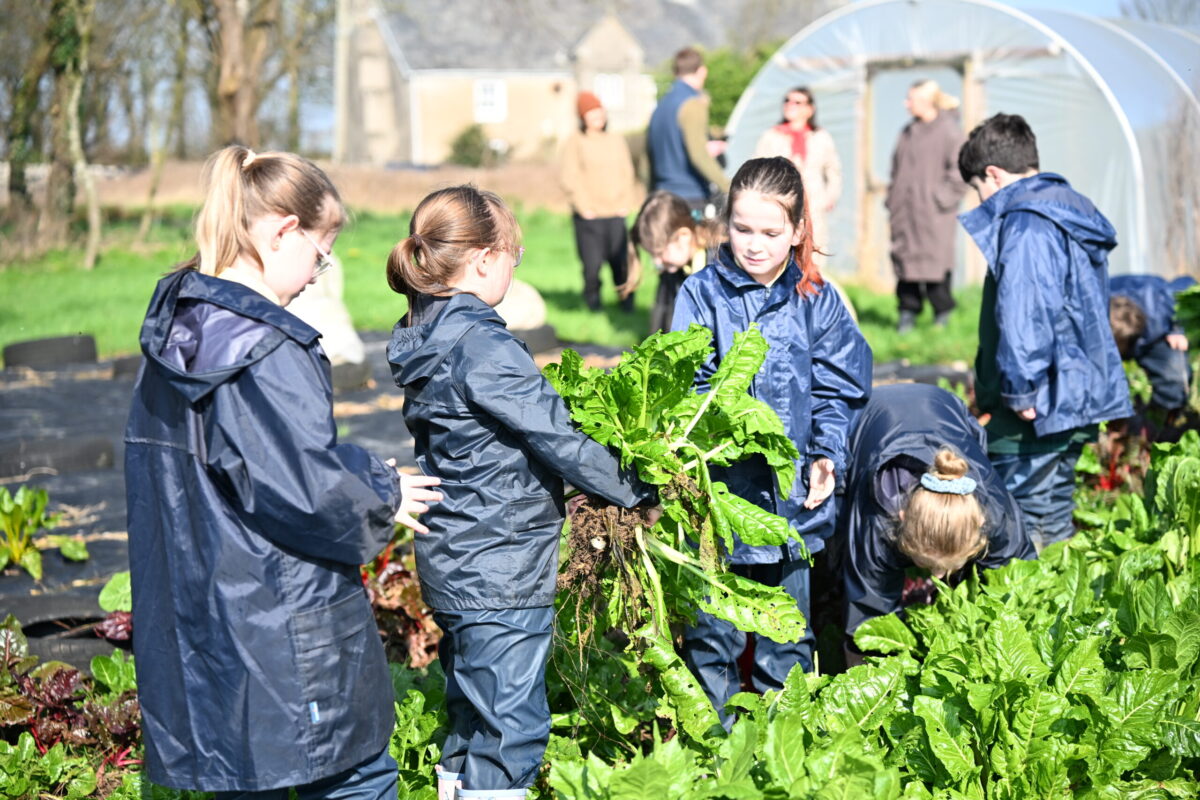
Back at Afon-y-Felin Primary School, the children applied what they had learned by planning and planting crops in the school’s growing spaces.
Produce planted during the project included beetroot, spring onions, peas, broad beans, fennel and mint.
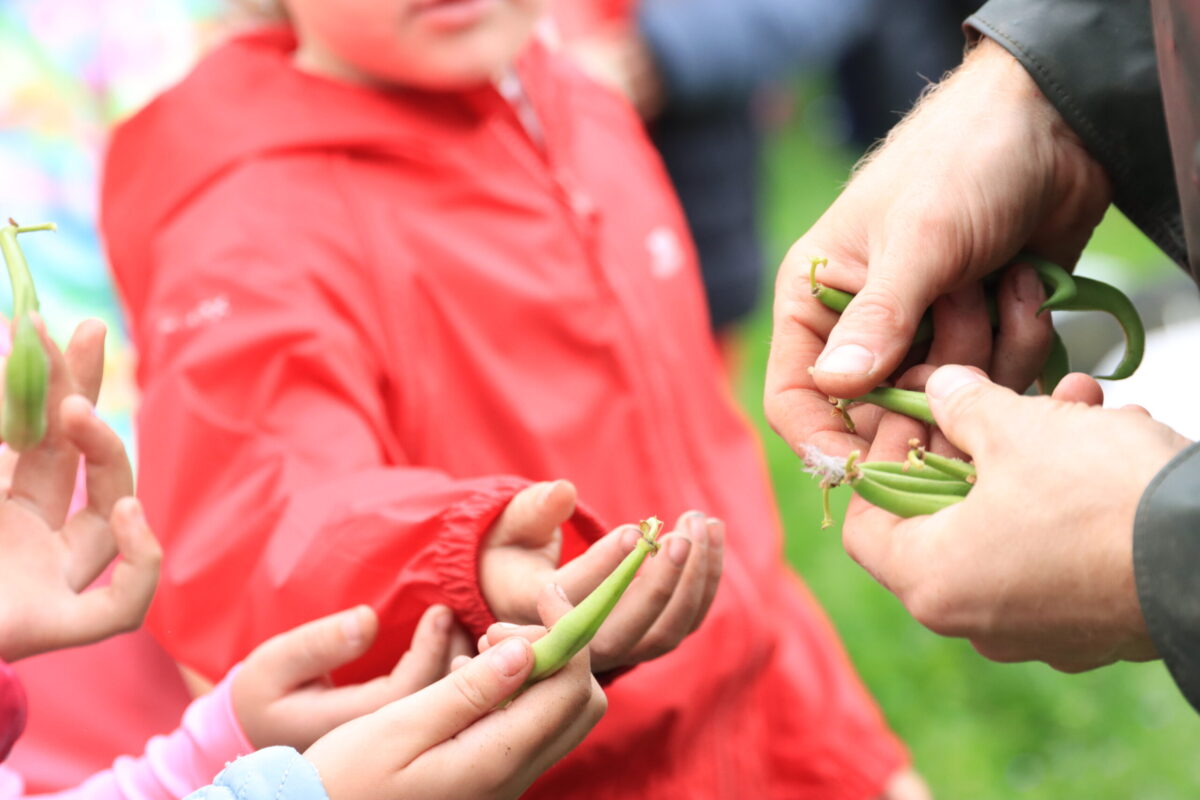
Katie Harris, class teacher at Afon-y-Felin Primary School, said: “We grew beetroot in our allotments, but until the children actually saw it growing, the idea was still quite abstract.
“Being able to pull those beetroots from the ground, cook them in class and have a bit of a beetroot explosion got them so excited. It wasn’t something they would previously have bought or cooked at home, but they were all eager to try it.
“Now, they are much more open to taking something out of the ground, washing it, and tasting it. The biggest impact on this class has been their ability to work together. Having a shared project has helped them with taking turns, compromising and working as a team.
“We have also seen a massive willingness to try new things.”
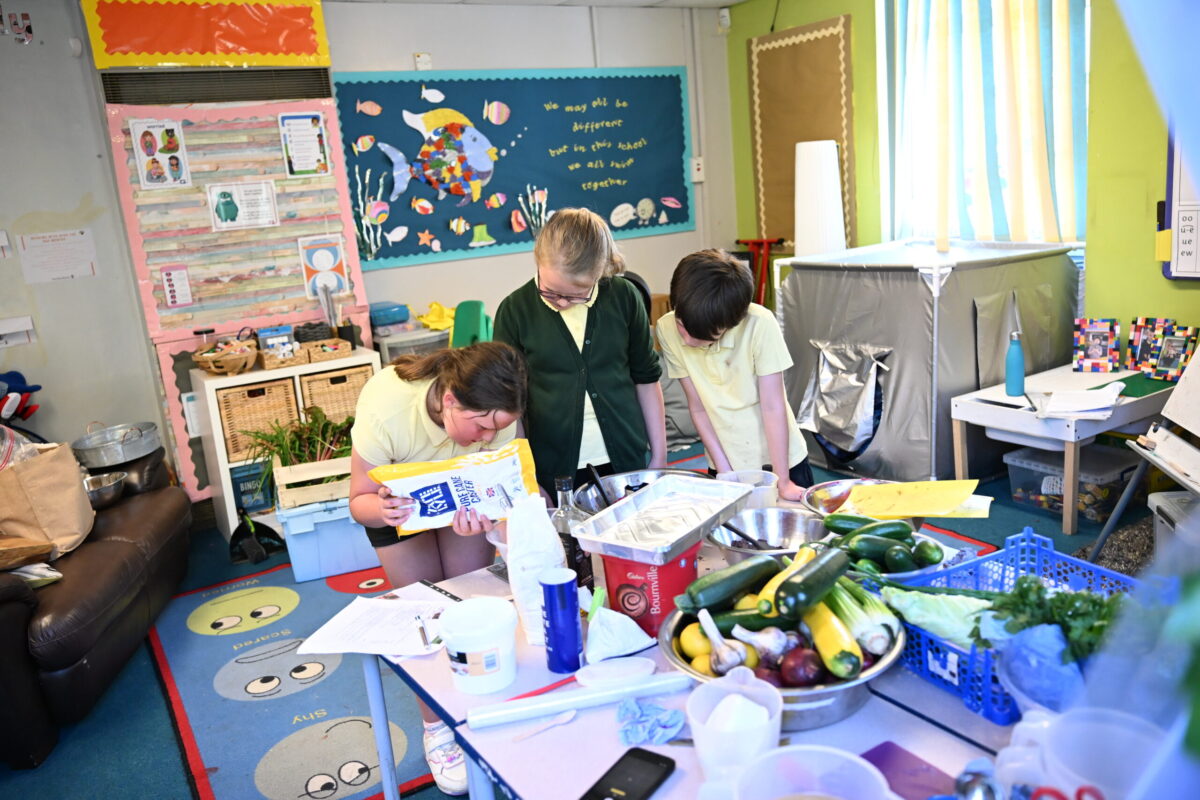
The project also aimed to make the relationship between growing, cooking and eating food more meaningful by involving families in the final event.
Cooking sessions
Angharad Underwood runs The Cookalong Clwb, a community cooking project that teaches children and families essential kitchen, budgeting and sustainability skills, and she led further cooking sessions as the project progressed.
She said: “It is about making food real. The children begin by putting their hands in the soil, then planting, watering and nurturing what they have grown. Eventually, they pick it, cook it and feed their families. That connection from what they have grown, to what it tastes like, to how it feels to share that food – is so important.
“It isn’t simply that the children have made something and here it is. They have worked for six, eight or nine months to create it, so they value it. They understand more about food waste, how to make the best of what they have grown and the pride that comes from sharing it with their families.”
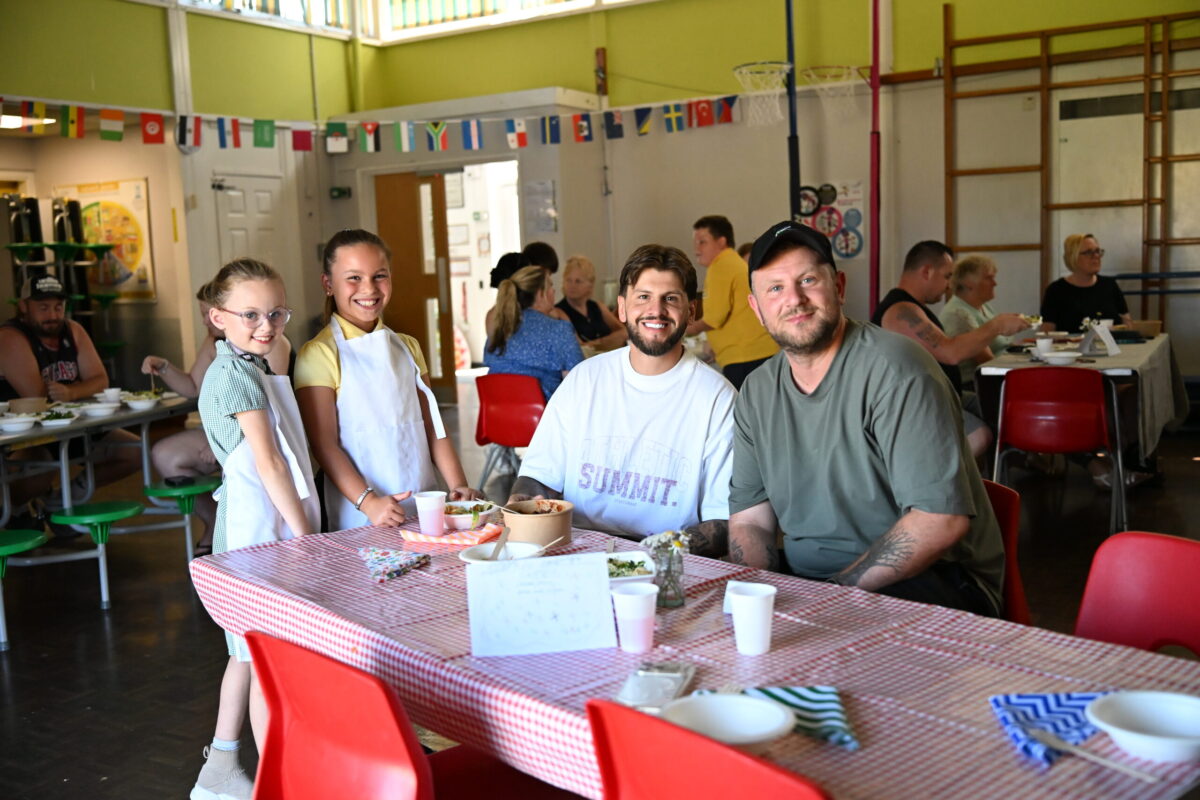
For some pupils, the project was their first experience of visiting a working farm or seeing how vegetables grow.
One pupil said: “I had never been to a farm before. I learned that some vegetables grow in the ground and others grow on stalks. Since then, I have started growing strawberries at home in a pot and we put them in the shed, so the slugs don’t eat them.”
Community
The school’s growing areas were also supported by Marlas Green Space, a community-led nature and play project in North Cornelly, Bridgend. Their volunteers helped install a polytunnel, maintain crops and water plants during school holidays.
Emma Burnell, chair of Marlas Green Space, said the project was already encouraging children to become more involved in environmental activity outside school, adding: “The children now recognise us when we are working in the community and come over to help.
“We are hoping to involve parents too, so children can work alongside their families, take those skills home and then carry them out into the wider community.”
Following the pilot, Bridgend Sustainable Food Partnership will take the learning into a wider regional programme.
Bridgend, Vale of Glamorgan, Rhondda Cynon Taf and Newport Food Partnerships have been awarded funding through the Welsh Government Food Division’s 2026-27 Collaboration Grant Scheme for Local Food Partnerships to develop a collaborative food literacy programme connecting schools with local farms.
The programme will work with two to three schools in each local authority area and will also include mentoring for growers and farms, helping more local producers to host school visits and creating the potential for an additional revenue stream for participating farms.
Support our Nation today
For the price of a cup of coffee a month you can help us create an independent, not-for-profit, national news service for the people of Wales, by the people of Wales.
Get more trusted Welsh news
Choose Nation.Cymru as a preferred source in Google News to see more of our journalism.



What an excellent incentive.
Hopefully, not only will this tie in with Welsh farms supplying Welsh hospitals and schools with real food, but also encourage more participation in the agriculture industry from the school leavers.