


Rachel Reeves ‘tone deaf’ on energy prices in spring forecast statement
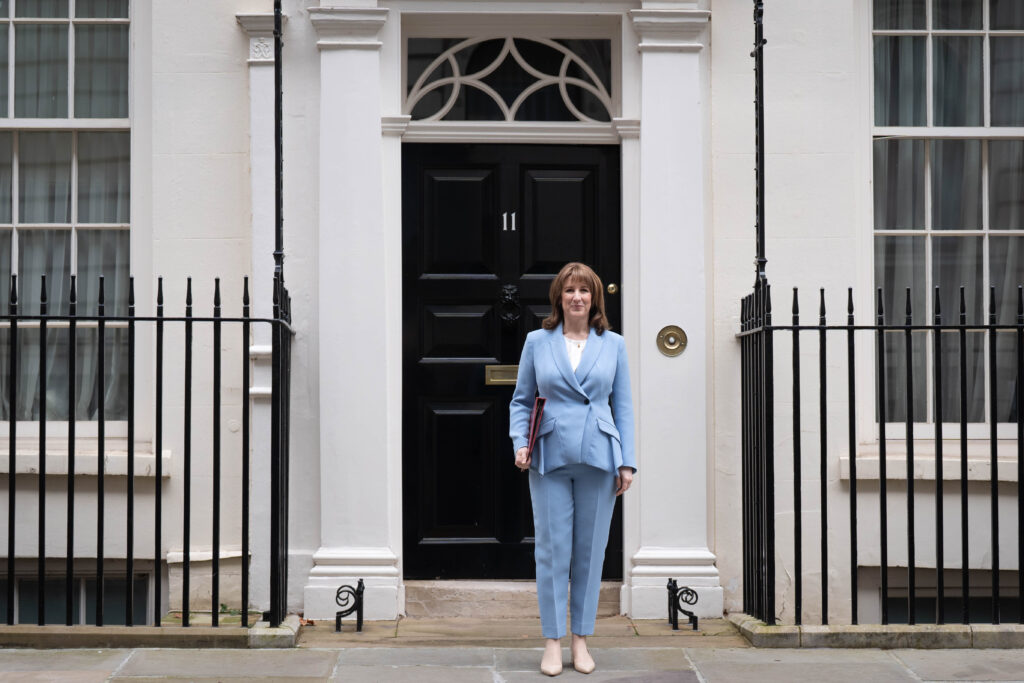
Chancellor Rachel Reeves has faced claims that her statement on Tuesday was “tone deaf” on energy prices, and was warned a commitment to cut energy bills by £150 would “ring hollow”.
Ms Reeves defended her fiscal policy, saying the Government was in a “better place” to deal with gas and oil price shocks now than it was after the last general election.
But SNP MP Dave Doogan called her pitch a “40-minute self-aggrandising monologue saying how wonderful everything is in the economy”, adding that the Chancellor lacked a strategy to deal with fuel bill prices.
And Conservative former chancellor Sir Jeremy Hunt told the Commons: “Her budget promise to reduce household energy bills by £150 is going to ring hollow for many people.”
Amid escalating conflict in the Middle East and disruption to shipping routes in the region, the UK’s benchmark gas price, NBP, leapt by 54% on Monday and Brent crude, the global benchmark oil price, was up about 9%.
Ms Reeves told MPs: “With the unfolding conflict in Iran and the Middle East, it is incumbent on me and on this Government to chart a course through that uncertainty, to secure our economy against shocks and protect families from the turbulence that we see beyond our borders.”
She said she was in “regular contact” with governor of the Bank of England Andrew Bailey and maritime sector leaders, and she would meet on Wednesday with “North Sea industry leaders to discuss the implications that they face and work with them to manage this uncertain period”.
Mr Doogan asked: “Does the Chancellor have any clue how her tone deaf monologue will have landed in the real economy where growth has been downgraded, where unemployment is soaring, and where the cost of energy has just spiked?
“Nothing in her statement about what she intends to do on a strategic level, about when energy goes to the price it was during the height of the Ukraine crisis – nothing in there.”
The Angus and Perthshire Glens MP also asked: “Will she guarantee that she will step in and protect billpayers if these prices endure?”
Ms Reeves referred to her promise at least year’s budget when she said: “We have taken action to reduce energy bills by £150 from next month.”
Inflation, interest rate and Government borrowing cost cuts have put the Government “in a strong position” to counter “headwinds” from the Middle East and Iran, she added.
Yuan Yang, the Labour MP for Earley and Woodley, had earlier said: “The Bank of England has said that her cuts to energy bills will help bring inflation down to around its target from next month.
“Will she commit to going further and continue to shield our constituents from global price shocks?”
Ms Reeves replied: “The Bank of England forecasts that the actions that I took in the budget last year would reduce inflation by around 0.4 percentage points and that inflation would be back close to target from April.
“That reflects not just taking £150 off energy bills but also freezing prescription charges and freezing rail fares as well.
“Of course, the events unfolding in Iran and the Middle East have resulted over the last couple of days in gas prices going up by more than 60% and oil prices going up by more than 10%, which shows why the plan that we’ve had to take money off energy bills, but also ensure our public finances are in a stronger place, mean that we’re in a better place than we would have been 18 months ago after the mess left by the party opposite (the Conservatives).”
Sir Jeremy asked: “If cost of living is the real concern, isn’t the biggest mistake to increase taxes by £66 billion? That is the equivalent of nearly £2,300 per household.
“And if that money’s needed for public services, nearly all of that – £54 billion, in fact – could be got by reducing the welfare bill to 2019 levels, so is it sustainable to keep raising taxes on people in work in order to pay evermore benefits to people not in work?”
Ms Reeves said it was Sir Jeremy himself who “left a massive black hole in the public finances”, adding: “It is a bit rich for the party opposite to say that we should bring welfare spending down when they presided over a huge increase in welfare spending.”
The Chancellor said “it is those with the broadest shoulders that are paying higher taxes”, pointing to the high value council tax surcharge on English homes worth £2 million or more, and VAT on private school fees, as examples of her reforms.
Labour former minister Jim McMahon said that while petrol prices have risen during the past decade and a half, “HMRC have failed to update their mileage rates for now 15 years”.
Motorists who drive their car or van for work can claim 45p per mile, with different rates for drivers who clock up more than 10,000 miles in the tax year and motorcyclists – a figure frozen since 2011.
Ms Reeves said she understood “this is an issue”.
Support our Nation today
For the price of a cup of coffee a month you can help us create an independent, not-for-profit, national news service for the people of Wales, by the people of Wales.



All are in their right to criticise, but struggle to see what the options are if gas prices rocket, especially from the SNP MP comments.
We can’t keep increasing debt to mask short term energy spikes. In my view the priority should be more gas storage (expensive but needed) and accelerate the move away from gas to things like heat pumps.
Storage is a no-brainer. Germany, Austria, France and the Netherlands have over 100 days capacity vs the UK’s 10.
Pot, kettle, black? Reeves is clueless and Jeremy Hunt is still as toxic as ever with his notion that it’s welfare recipeients who are responsible for the nations woes, (and let’s remind ourselves that Reeves herself is equally vile as she promised to be harder on the unemployed than the Tories…) when it has been government economic policies designed to shovel the wealth created by the 99% into the pockets of the 1% and global corporations. Reeves is still peddling the economically illiterate Tory ideological austerity. Anyone taken by her higher council tax on homes worth £2 million or more… Read more »
“she would meet on Wednesday with North Sea industry leaders to discuss the implications that they face”
If this is a hint that we could dial up domestic oil and gas production to counter any global shock it ignores that we’ll still pay the global market price on any extra dug up in Scotland.