


Rapid test helps GPs cut unnecessary antibiotic prescriptions
Nation.Cymru staff
A rapid diagnostic test being used by GP practices has helped cut unnecessary antibiotic prescribing by as much as 21%.
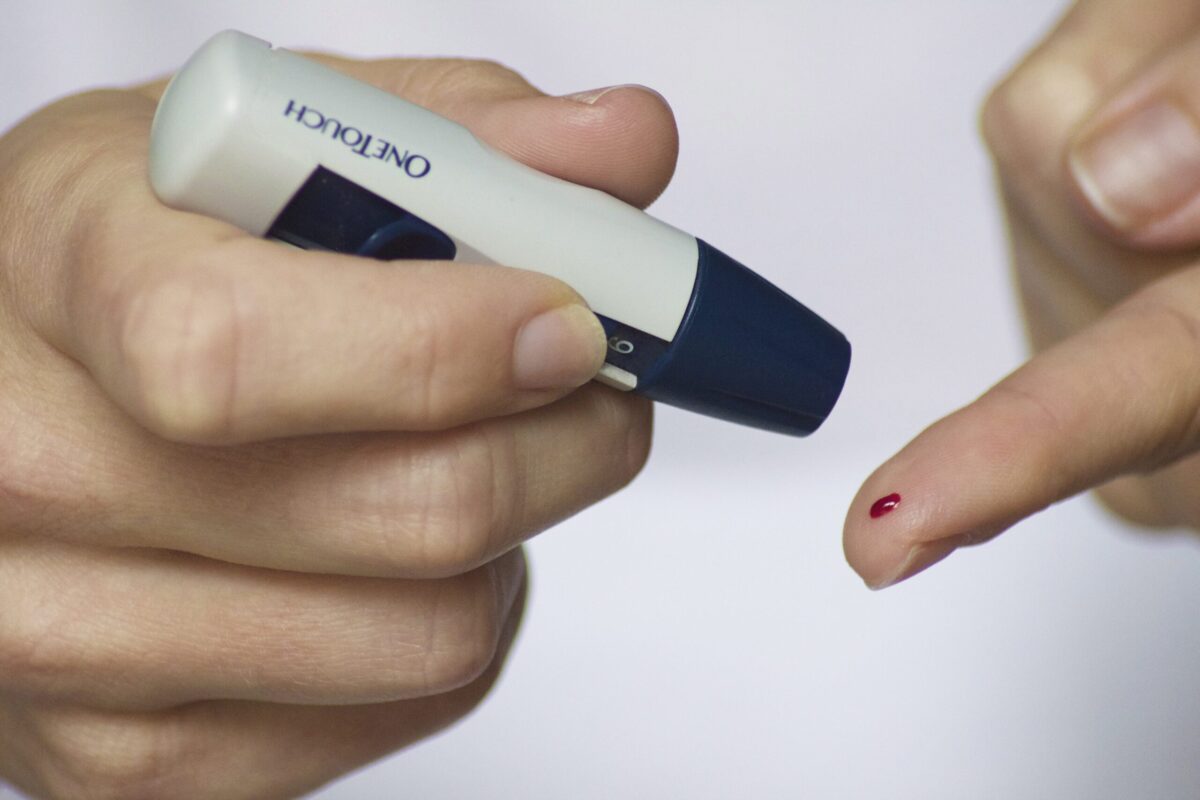
The finger-prick test, which provides results within minutes, has been trialled at 11 practices across Swansea and Neath Port Talbot to help clinicians decide whether patients with suspected respiratory infections need antibiotics.
Some of the practices recorded reductions of between 16% and 21% from expected levels of antibiotic prescribing during the 18-month project.
The test helps determine whether an infection is bacterial or viral. Antibiotics do not work against viral infections.
Swansea Bay’s Local Cluster Collaboratives pooled funding for the trial, with participating practices spread across the health board area to assess its effectiveness in different settings.
The project forms part of efforts to tackle antimicrobial resistance, which occurs when bacteria and other microbes change over time and become resistant to medicines used to treat them.
‘Valuable diagnostic tool’
Dr Charlotte Jones, a GP partner at Uplands and Mumbles Surgery and the health board’s clinical lead for antimicrobial stewardship, said: “Having access to diagnostics in the community can help with clinical decision making.
“The test also helps us to be more prudent about antibiotic prescribing, because we know they can be harmful.
“We want to make sure we are only using them where we have to because the more we use them, the less effective they become.”
Staff at the participating surgeries received either new or refresher training depending on whether they had previously used the testing equipment.
Dr Jones said practices which were able to incorporate the tests into their normal clinical work achieved greater reductions in prescribing.
She said: “Clinicians consistently described the test as a valuable diagnostic tool, not only for confirming bacterial infections, but also for confidently ruling it out so therefore reducing unnecessary prescribing.
“Practices that were able to seamlessly embed the testing into their clinical practice were able to make reductions above and beyond the reductions seen across the health board.
“That illustrates the impact these tests can have in the fight against antimicrobial resistance.”
Testing
More than 500 patients also responded to questions about their experience of the testing.
Dr Jones said many reported having a better understanding of why they had not been prescribed antibiotics.
She added: “Whereas before many patients expected to get antibiotics if they had a chesty cough, for example, now they understand you don’t always need them.”
The health board hopes the tests can be adopted by more GP practices.
Dan Robbins, medication safety officer and clinical pharmacist at Swansea Bay, said antibiotics remained among the most important medicines available but were being overused.
He said: “As a result, harmful bacteria are quickly learning to overcome them. This is a massive global concern that requires a strong and united response.
“This initiative allows clinicians to make more informed prescribing decisions, allowing us to use antibiotics when we need them, and to spare them when we do not.”
Support our Nation today
For the price of a cup of coffee a month you can help us create an independent, not-for-profit, national news service for the people of Wales, by the people of Wales.
Get more trusted Welsh news
Choose Nation.Cymru as a preferred source in Google News to see more of our journalism.


