


Record number of breeding curlew pairs found in upland survey
Nation.Cymru staff
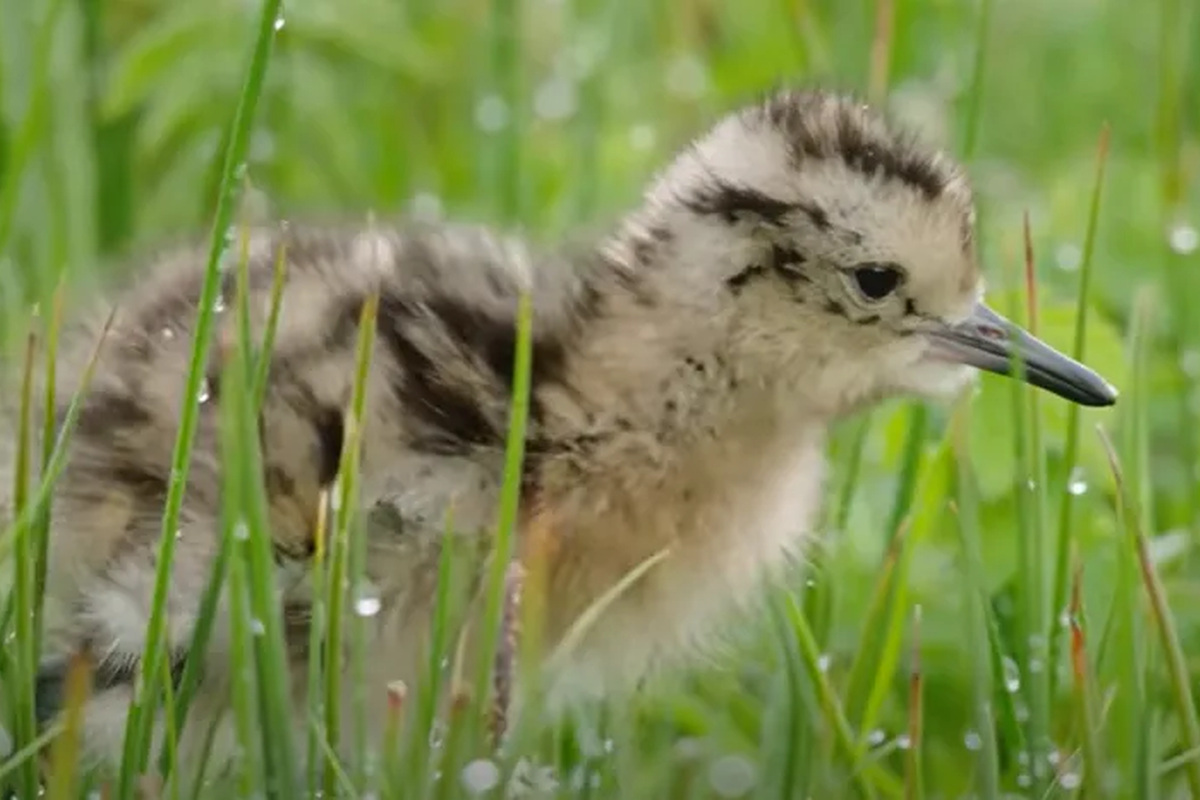
A Welsh conservation project has recorded its highest number of breeding curlew pairs since monitoring began, but too few chicks are surviving to halt the bird’s long-term decline.
An estimated 55 pairs were recorded this summer across the uplands of Ysbyty Ifan and Hiraethog in north Wales, up from 41 in 2025.
The Cri’r Gylfinir / The Curlew’s Call project brings together farmers, landowners, volunteers and conservationists to monitor the birds and protect their nests. The team says curlew numbers have fallen by roughly 80% since 1990.
“For many people, the bubbling call of the Curlew is one of the most welcome signs that spring has returned,” the team said in its update on the breeding season.
Staff and volunteers found 21 nests in 2026. Temporary electric fences were put around 19 of them, while the other two were already inside permanent predator-proof fencing. Every nest the team found was therefore protected during the period when the eggs were most vulnerable.
At least one chick hatched in 17 of the 21 nests, a hatching success rate of about 81% among the nests the team located. Monitoring recorded eight chicks reaching fledging, the stage at which they can fly.
Curlew populations are thought to need an average of around one fledged chick for every two breeding pairs each year to halt long-term declines. The project reported that productivity remained below that level this season, even as the number of breeding pairs recorded in the area rose.
The first few weeks after hatching are particularly difficult for young curlews. Predators and bad weather can reduce their chances of survival, and the chicks need suitable habitat where they can find enough food and shelter.
Encouraging
The project team said: “The increase in breeding pairs and encouraging hatching success show what can be achieved when people come together to support them and the habitats they depend on. However, there is still much more to do to reverse the long-term decline of this iconic species in Wales.”
The team will continue working with farmers, land managers and volunteers next season, with improving the chances of chicks surviving long enough to fly a priority.
The project is looking for volunteers to help with surveys and wants to hear from local farmers interested in supporting conservation work on their land. Anyone who would like to volunteer, attend an event or find out more can contact the team at [email protected].
The project is supported by National Lottery funding through the National Lottery Heritage Fund and the Nature Networks Fund, delivered in partnership with the Welsh Government.
Support our Nation today
For the price of a cup of coffee a month you can help us create an independent, not-for-profit, national news service for the people of Wales, by the people of Wales.
Get more trusted Welsh news
Choose Nation.Cymru as a preferred source in Google News to see more of our journalism.


