


Record numbers of rare fungi discovered in Wales
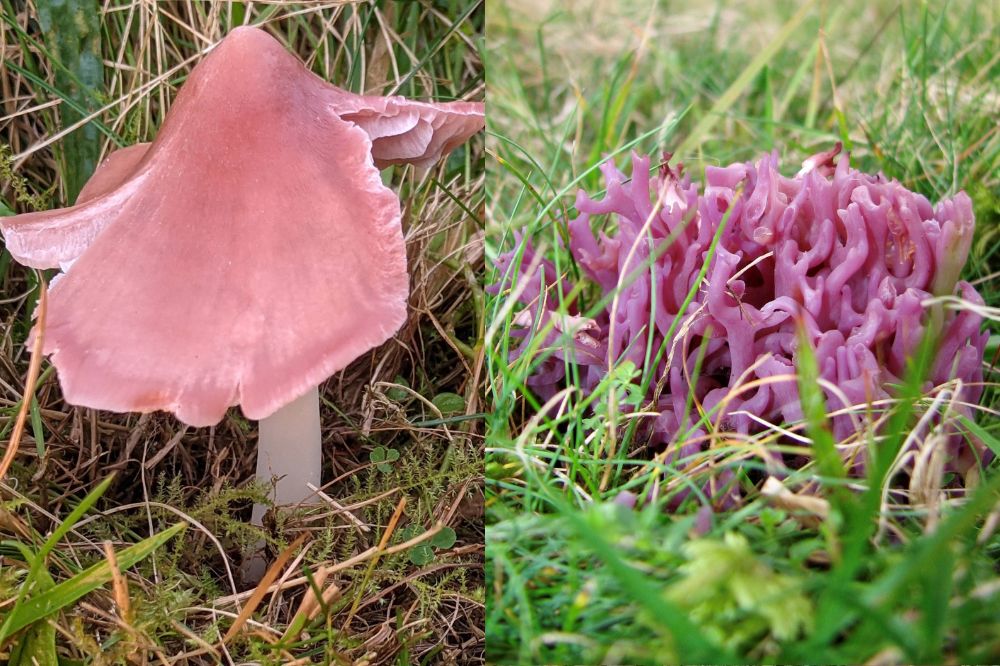
North Wales has emerged as a hotspot for some of the UK’s rarest and most striking grassland fungi, thanks to data from a citizen science fungi survey.
Plantlife’s Waxcap Watch survey uncovered new records, including multiple new sites for the Pink Waxcap in cemeteries, gardens and farmland across Wales, with hotspots around Bangor, Aberystwyth, and Hay-on-Wye.
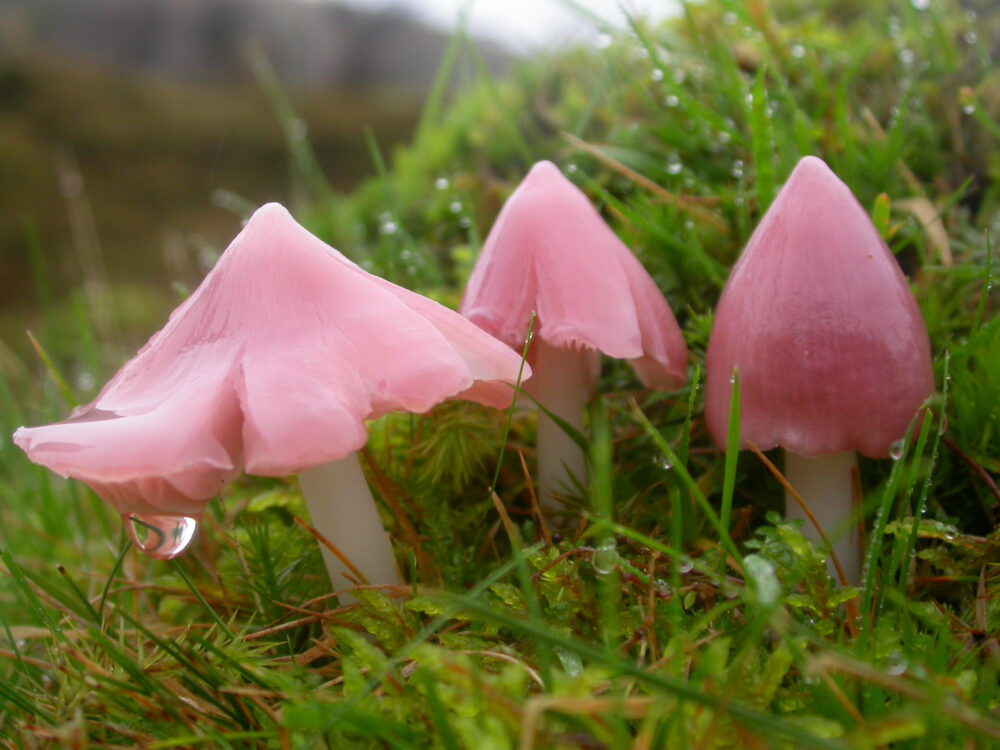
Waxcaps are a group of grassland fungi, with brightly coloured fruit bodies, a waxy texture and widely spaced gills.
Three-hundred new UK locations of Pink Waxcap Porpolomopsis calyptriformis, classed as “Vulnerable” on the global IUCN Red List of Threatened Species and known for its candy-pink cap, were revealed in data analysed from 2020 – 2024.
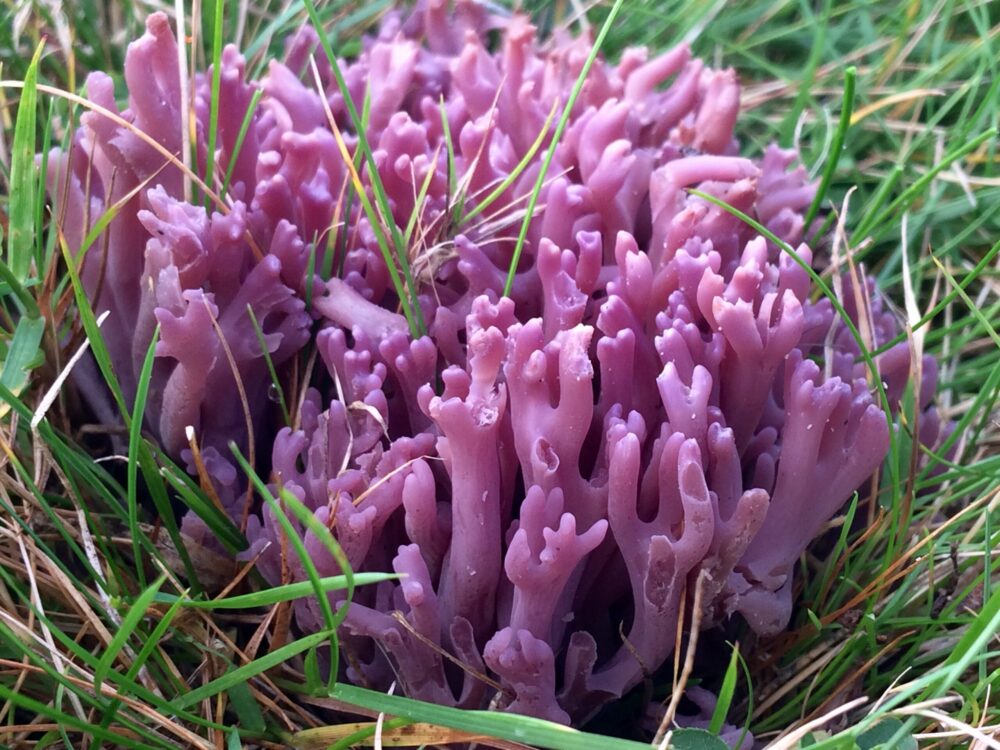
Additionally, 18 new locations of Violet Coral Clavaria zollingeri, a rare species recognised for its vibrant violet branching structure, were uncovered.
These discoveries represent a major leap in knowledge, with just over 1,000 Pink Waxcap and 183 Violet Coral sites were recorded in the British Mycological Society’s database before Waxcap Watch, .
Dr Aileen Baird, Senior Conservation Officer, Fungi, Plantlife, said: “These results reflect both the incredible enthusiasm for fungi and the power of citizen science. With more people than ever taking part in Waxcap Watch, we’re gathering the essential data needed to protect these extraordinary species.”
Almost 600 surveys were submitted in 2024, the highest number to date in the 5 years Waxcap Watch has been running.
Dr Baird continued: “We still have much to learn. More than 90% of fungi species remain unknown to science, and climate is also influencing fruiting patterns. But what’s clear is that anyone, anywhere can play a role in the discovery and conservation of fungi.”
The UK is a stronghold for grassland fungi, but these results have surprised mycologists, who have been recording fungi in the British Mycological Society’s database for decades.
Clare Blencowe, member of the British Mycological Society’s Field Mycology and Conservation Committee, said: “The discoveries of so many new sites for both Pink Waxcap and Violet Coral are really impressive.
“These fungi are vital indicators of the health of our grasslands and highlight the biodiversity that exists around us in our towns, as well as our countryside. Thanks to the dedication of our volunteer surveyors, we now have a far clearer picture of where these threatened species survive.”
A significant proportion of surveys in 2024 came from lawns, cemeteries, verges, and other amenity grasslands, places not typically represented in conservation surveys but which are proving important new havens for fungi.
Waxcap Watch is Plantlife’s annual survey, launched in 2020 and held every autumn, aimed at identifying new sites where grassland fungi can be found. The survey records the fungi discovered in different locations up and down the country. This year’s survey runs from 15 September to 31 December 2025.
For more information and to take part, visit Plantlife’s site here.
Support our Nation today
For the price of a cup of coffee a month you can help us create an independent, not-for-profit, national news service for the people of Wales, by the people of Wales.


