


Record year for urban forest project
Nation.Cymru staff
More than 155,000 trees have now been planted across Cardiff as part of the city council’s flagship urban forest project aimed at tackling climate change and improving biodiversity.
The latest planting season for the “Coed Caerdydd” scheme saw more than 37,000 new trees added between October 2025 and April 2026, making it the project’s biggest year since launching in 2021.
The programme forms part of Cardiff Council’s “One Planet Cardiff” climate response strategy.
This year’s total included more than 530 new street trees and the first trees grown from locally sourced seeds at the Coed Caerdydd nursery.
More than 280 varieties were planted during the season, including native, fruit and ornamental species.
Jennifer Burke, Cardiff Council’s cabinet member for culture, parks and events, praised the contribution of volunteers who helped deliver the scheme.
She said: “The 37,000 trees planted since October last year is the biggest total for any season since the Coed Caerdydd project began and includes over 280 different varieties.
“A huge thank you to everyone who volunteered to work with the Coed Caerdydd team, whether that’s at a planting session or helping out at the tree nursery.
“That community and that support is central to the project’s success and shows how much can be achieved when people come together with a shared vision for a greener city.
“Planting over 155,000 trees is a huge milestone, but the real success is the long-lasting environmental, health and wellbeing benefits that these trees will deliver for future generations.”
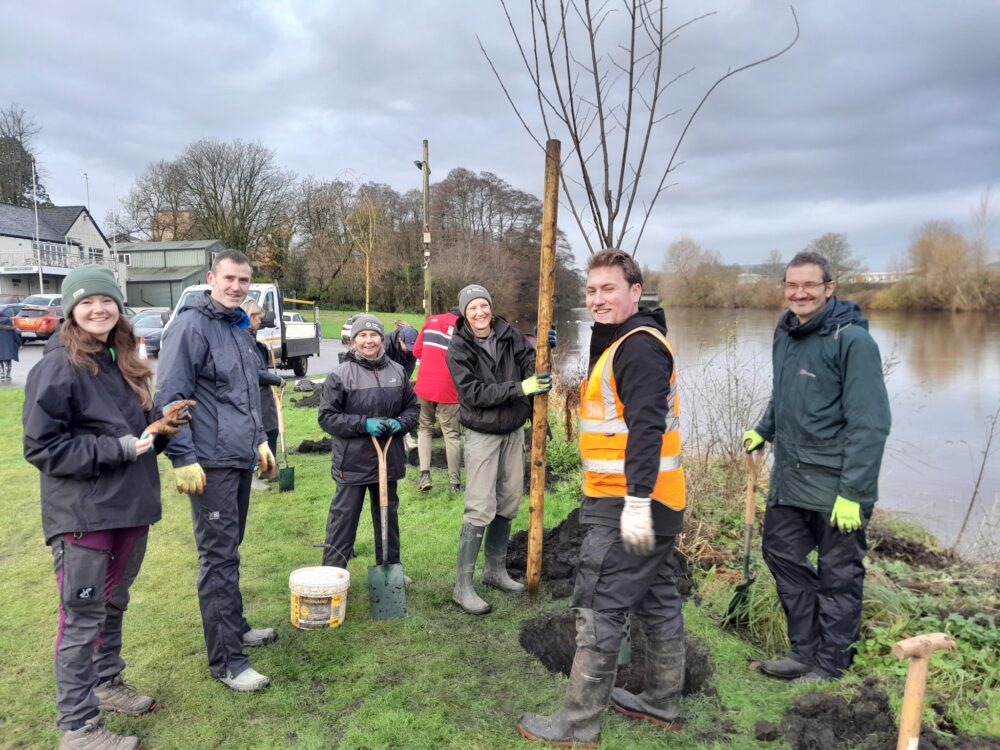
More than 1,500 volunteers took part in planting events during the latest season, contributing over 3,500 hours of work across more than 230 sites including parks, schools, cemeteries and allotments.
The council said there had also been a significant increase in the planting of larger semi-mature trees to provide immediate visual impact in public spaces.
As the trees mature, they are expected to help cool neighbourhoods, improve air quality, increase biodiversity and support public wellbeing.
Welsh black poplars
The latest planting season also included the introduction of rare Welsh black poplars, which provide an important food source for moth caterpillars and early pollen and nectar for bees and other insects.
Hundreds of households also received free trees through the project’s garden donation scheme, while the network of volunteer “Tree Guardians” continued to expand.
Support our Nation today
For the price of a cup of coffee a month you can help us create an independent, not-for-profit, national news service for the people of Wales, by the people of Wales.
Get more trusted Welsh news
Choose Nation.Cymru as a preferred source in Google News to see more of our journalism.


