


Reduction in Welsh road crash deaths involving young children
Martin Shipton
The road safety charity Brake has highlighted a reduction in deaths and serious injuries in Wales affecting children aged seven and under as part of a Britain-wide survey.
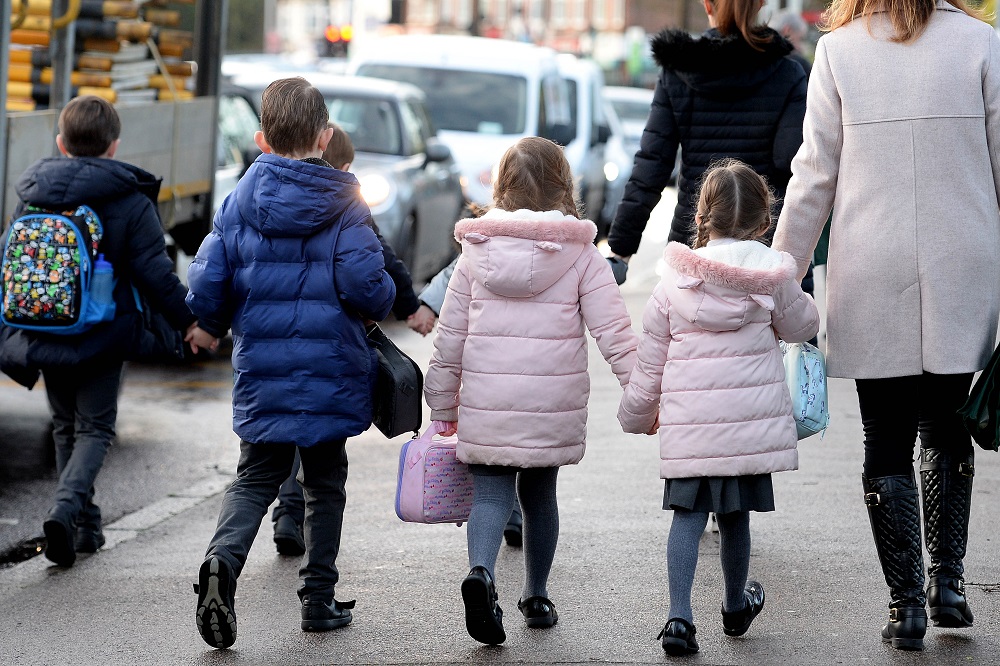
Today, thousands of children aged 2 to 7 up and down Britain are taking part in Beep Beep! Day with Brake to learn about keeping safe near roads.
This year’s Beep Beep! Day comes as Brake highlights stark child road casualty statistics. The latest official figures reveal that the number of children aged 7 or under killed in collisions on Britain’s roads increased by 53%, from 17 in 2023 to 26 in 2024.
Overall, the number of children aged 7 or younger who died or sustained injuries in crashes fell by 6% to 3,158. As well as 26 deaths, the total includes 546 serious injuries and 2,586 slight injuries. Of the 572 under-7s killed or seriously injured, 322 were walking and 18 were cycling.
Despite its unpopularity with many drivers, the Welsh Government’s 20mph default speed limit in urban areas has coincided with a reduction in serious injuries.
In a statement linked to Beep Beep! Day, Brake said: “Road death and harm, especially involving children, devastates families, schools and communities, yet collisions are largely preventable.
“In January, the UK Government announced a new strategy for improving road safety in Britain, with targets to reduce child road deaths and serious injuries by 70% by 2035.
“Brake has run Beep Beep! Days for more than 20 years. We know that all childcare providers, schools and families share concern for the risk to children’s lives on our roads, and Beep Beep! Day is a great way to help them approach this issue.
“Hundreds of schools, nurseries and childminders – reaching more than 30,000 children – have signed up to get involved this year and share important road safety messages with youngsters and their parents and carers.
“Beep Beep! Days focus on three simple things to help keep young children safer near roads – holding hands with a grown-up when walking, crossing roads at safe places, and always using a child seat when travelling by car. They also send an important reminder to everyone to use roads safely to protect all road users, but especially young children who are so vulnerable on roads.
“Everyone who signs up to take part in a Beep Beep! Day receives free teaching resources to help children learn about road safety in a fun and engaging way, including important messages to send home to parents and carers, all illustrated with characters from Aardman’s popular children’s TV programme Timmy Time.
Decline
The official road casualty data are broken down by region and, in the case of Wales and Scotland, nation. Most areas saw a decline in numbers of children aged 7 or under killed or injured in crashes in 2024.
The East of England saw the greatest fall in young child deaths and casualties – down 26% from 332 in 2023 to 247 in 2024.
In London, there were 19% fewer deaths and injuries – 426 in 2024 compared with 524 in 2023.
Wales also saw a fall of 19% – 102 in 2024 compared with 126 in 2023.
In Scotland, 12.5% fewer children aged 0–7 were killed or injured in crashes – 140 in 2024 compared with 160 in 2023.
The West Midlands was the region with the greatest increase in numbers killed or injured – up 9% from 312 in 2023 to 341 in 2024.
Road safety
Ross Moorlock, CEO at Brake, said: “Beep Beep! Day is a wonderful way to join together with schools, nurseries and childminders to help keep children safe on and near our roads and instil in them enthusiasm about road safety from a young age.
“The earlier we begin to talk to children about road danger, the earlier in their lives they will understand why it’s so important to stay safe. That message is especially pertinent this year, as we highlight that more children aged seven or under were very sadly killed in crashes in 2024 than the previous year.
“Every road death is a devastating yet preventable tragedy. When it involves a child fatality, it tears families apart and the ripple effect is felt throughout communities. Every day, we see these traumas unfold and witness their impact, through the work of Brake’s National Road Victim Service.
“Currently, our service is supporting 21 families following the death of a child in a road crash. Although overall numbers of children killed or harmed on our roads have fallen, we must continue to do everything we can to ensure no family has to endure that heartbreak.
“We urge the Government to match the ambitious road harm reduction targets announced in its Road Safety Strategy earlier this year with a firm commitment to action, to protect the most vulnerable road users and save children’s lives.”
Beep Beep! Day with Timmy Time resources is hosted on Brake’s website.
Support our Nation today
For the price of a cup of coffee a month you can help us create an independent, not-for-profit, national news service for the people of Wales, by the people of Wales.



As expected a 20mph limit on many roads does lead to fewer accidents with children. Brake is right in calling for more 20mph roads especially with so many SUVs on the roads going fast and silently.
One does hope that people will come round to see the benefits of going at 20 miles an hour in built up areas, by adding a just a minute or two to a journey. Although I fear the problem is people get late and hoping to catch up on a journey, it’s a modern day obsession to be on time at whatever cost.
I’m not sure it is a question of taking slightly more time to get to a destination. I think it is more to do with an attitude. We have imported without realising it, a kind of cowboy mentality.
And some councils are changing back to 30. Utter madness.
It really does make me worry about those who wanted to scrap it. Surely adding around 40 seconds on to a journey is preferable to dead children?
There is a small cohort of drivers who see their ability to drive at speed as a human right, regardless of the toll on others, mainly pedestrians. That the 20mph limit has reduced deaths should be a cause for celebration.
Reform and Tory are saying more children deaths and injuries are an acceptable loss because they hate Labour? That is what they mean isn’t it?
Not because they hate Labour, but because they wish to appeal to a certain group of mainly men for whom caring about consequences is seen as unmasculine. The car has always had a connotation of virility.