


Reeves could raise billions without breaking Labour pledges – IFS
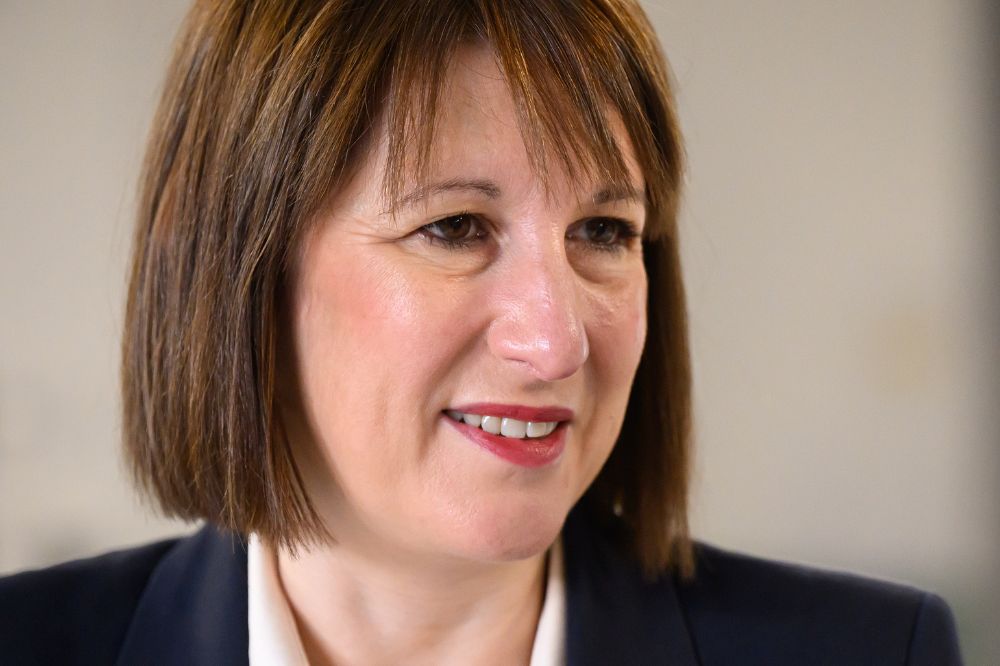
Rachel Reeves could raise tens of billions from tax reforms without breaking Labour’s manifesto pledges but must avoid “half-baked fixes” to Britain’s economic woes at the Budget, leading economists have said.
The Government is under pressure to balance the books ahead of November’s autumn statement amid warnings of a black hole estimated to be as much as £50 billion in the public finances.
But in a wide-ranging report, the Institute for Fiscal Studies urged the Chancellor to resist “simply hiking rates” without making other changes to an “unfair” and “inefficient” tax system.
It also warned that restricting income tax relief on pension contributions “should be avoided” and repeated its cautions against an annual wealth tax, which it says would penalise savers, or increasing stamp duty.
Capital gains tax
Among the options available to the Chancellor as set out by the IFS are:
– Ending capital gains tax relief on death, which allows for assets to be inherited without paying CGT on the increase in value over the deceased person’s lifetime, to raise £2.3 billion in 2029-30.
– Double council tax rates on the top two property bands to raise £4.4 billion. Any extra cash from changes to council tax would flow to local authorities rather than central government, but Ms Reeves could in turn reduce the grants paid to local authorities if she wanted to bolster the Treasury’s coffers, the IFS said.
– Reforming death duties to abolish the additional £175,000 tax-free allowance that can be used when passing on a primary residence to a direct descendant, raising around £6 billion.
– Increasing the bank levy and the bank surcharge, which taken together will already raise a total of £2.4 billion in 2025-26. A one percentage point increase in the bank surcharge would raise around £0.4 billion in 2029-30.
– Tackling non-compliance to narrow a widening corporation tax gap between the amount of tax the Government thinks should be paid and how much it actually collects.
“It would be possible for the Chancellor to raise tens of billions of pounds a year more in revenue without breaking the letter of Labour’s manifesto promise not to increase the ‘big three’ taxes.
“But doing so would not be straightforward,” the IFS said.
Freeze
On the other hand, extending the freeze on personal tax thresholds including national insurance contributions (NICs) further would be expected to raise around £10.4 billion a year from 2029-30.
But this would amount to a breach of Labour’s manifesto pledge not to increase taxes for “working people” which includes income tax, national insurance and VAT, the IFS said.
The think tank also called for a wider overhaul of the council tax system, arguing that banding is still based on the value of properties as of 1991 and must be updated to end a “regressive” and “hard to justify” rate structure.
It said a “good end goal” would be to replace stamp duty on housing and council tax with a “new recurrent property tax” proportionate to updated values.
“Changing rates and thresholds is all very well, but unless the Chancellor is willing to pursue genuine reform it will be taxpayers that shoulder the cost of her neglect,” the report, which forms a chapter in the IFS’ wider budget assessment for 2025, says.
Economists have warned Ms Reeves is set for a £41 billion shortfall on her self-imposed rule of balancing day-to-day spending with tax receipts in 2029-30 ahead of her Budget next month.
‘Dash for revenue’
Isaac Delestre, a senior research economist at the think tank and an author of the chapter, said Ms Reeves would have “fallen short” if she limits her ambition to a dash for revenue without wider reform.
“Almost any package of tax rises is likely to weigh on growth, but by tackling some of the inefficiency and unfairness in our existing tax system, the Chancellor could limit the economic damage,” he said.
“The last thing we need in November is directionless tinkering and half-baked fixes. There is an opportunity here.
“The Chancellor should use this Budget to take real steps down the road towards a more rational tax system that is better geared to promoting the prosperity and well-being of taxpayers.”
Support our Nation today
For the price of a cup of coffee a month you can help us create an independent, not-for-profit, national news service for the people of Wales, by the people of Wales.



They should be looking for win-win changes that raise more revenue and boost growth.
For example the ctax proposals could raise and extend the top bands and use some of the gain to lower the bottom bands. This would raise revenue and put more money in the pockets of people who’ll go out and spend it in struggling local businesses, boosting GDP.
The real problem is the Treasury is a finance ministry first and a department for the economy only when wine time Friday doesn’t get in the way.
‘ctax’ is not their responsibility in Wales. It’s devolved
It’s pretty clear that Welsh Labour parked ctax reform here to wait and copy what London Labour do in England.
But it was just an example. Another might be to raise VAT on internet purchases to 30%, lower standard VAT to 19% and 12% on hospitality. That would massively boost the high street while also raising revenue from the dodgy Temu imports that undercut UK businesses.
Relatively minor changes to the top end of income tax scales would boost revenues, but this government is just obsessed with not upsetting high earners. Too many people earning over 150k per annum getting off very lightly yet people on 20% of that are feeling the pain.
I’m sure the highly paid Treasury mandarins are strongly advising against anything that might affect them.
Why not go for it. The future of our economy shouldn’t just depend on the fiscal orthodoxies gained from a banking background. An economy is much more complex than a spreadsheet might suggest.
Reeves could raise billions simply by adding 1% tax on people with assets over £5 million and 2% over £10 million, both these groups would make more in interest than what they paid in tax. Instead she targets the workers, the disabled and pensioners, you would think they were tories.