


Reeves says protections remain for ‘working people’ amid wealth tax speculation
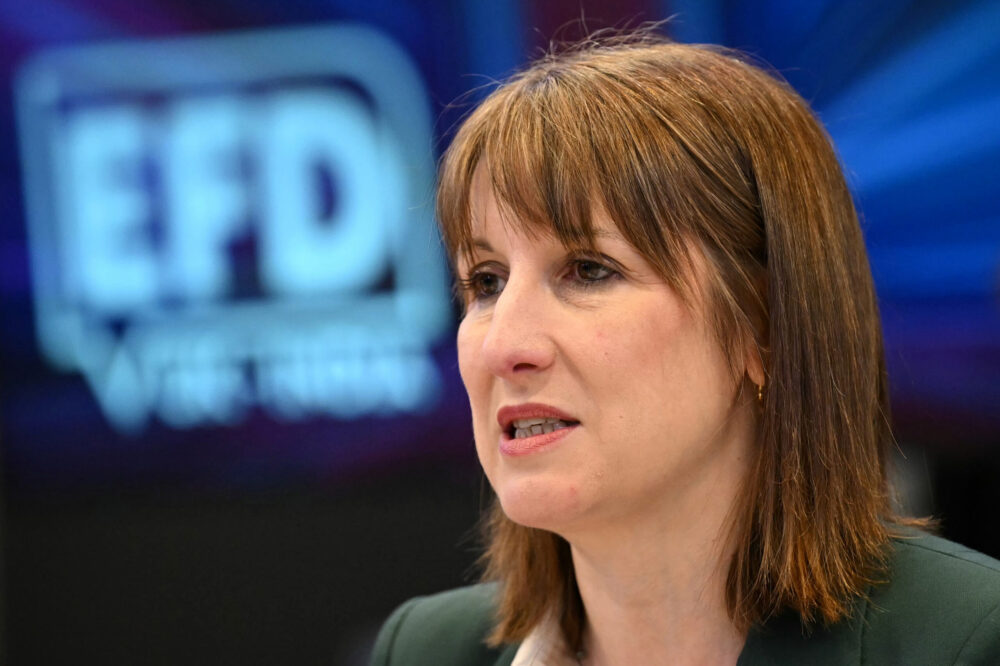
Rachel Reeves has not ruled out the possibility of a new wealth tax but insisted commitments not to hike tax for “working people” remained.
The Chancellor said she was not going to comment on speculation around her next budget when a date for the statement had not even been set.
But she said promises not to increase income tax, national insurance and value added tax (VAT) remained in place, along with her “non-negotiable” fiscal rules.
The UK Government’s U-turns over welfare reform and winter fuel payments have left the Chancellor with a multi-billion black hole to fill, fuelling speculation she might target the assets of the wealthy.
Struggle
Asked to rule that out, Ms Reeves told reporters: “We haven’t even set the date for the budget yet, so please forgive me if I’m not going to speculate about what might happen at an event that we haven’t even decided a date on yet.
“But we’ve been really clear in our manifesto about the taxes that we won’t increase, and we’re not going to increase the taxes that working people pay, their income tax, their national insurance and their VAT, because I do recognise the struggle that ordinary working people have faced these last few years with the cost of living.”
She added that her fiscal rules were “non-negotiable” as “they are what give working people security, around interest rates for example”.
Debt
The narrow margin by which the Chancellor is on course to meet her goal of funding day-to-day spending through revenues rather than borrowing means she is vulnerable to any increase in debt interest costs or reductions in planned savings, such as on welfare.
Ms Reeves said: “Interest rates have come down four times in the last year under this Labour Government because of the stability that we’ve managed to return to the economy, which is underpinned by those fiscal rules, which have enabled the Bank of England to cut interest rates.”
The Bank’s governor Andrew Bailey has suggested there could be larger cuts if the jobs market shows signs of weakness, pointing to the impact of Ms Reeves’ decision to hike employers’ national insurance contributions (NICs).
Businesses are “adjusting employment” as a result of the NICs increase and workers are “also having pay rises that are possibly less than they would have been if the NICs change hadn’t happened”, he said.
In an interview with The Times, the governor said the British economy was growing behind its potential.
This could open up “slack” to bring down inflation, he said, meaning prices on goods would rise less swiftly compared with earnings in future.
Mr Bailey said he believes the base rate set by the Bank of England would be lowered in future, after it was held in June.
The current Bank rate of 4.25%, which has a bearing on all lending in the UK – including mortgages – will be reviewed again on August 7 by the Bank’s Monetary Policy Committee.
“I really do believe the path is downward,” Mr Bailey told The Times.
Target
He added: “But we continue to use the words ‘gradual and careful’ because… some people say to me ‘why are you cutting when inflation’s above target?’”
Treasury Chief Secretary Darren Jones said it was entirely normal for firms to adjust their business plans because of a tax hike.
He told Times Radio: “We’ve also seen the creation of hundreds of thousands of new jobs across the country, and it’s normal for business to make adjustments to their plans, depending on the cost of business, in the normal way.
“But we’re really focused as a Government in supporting business to create more jobs.”
Conservative leader Kemi Badenoch said: “Labour are going to raise your taxes, again, to pay for their mistakes.
“Britain doesn’t need more taxes. People are taxed too high already.
“It needs a government committed to bringing down spending so we live within our means. Only the Conservative Party believes this.”
Support our Nation today
For the price of a cup of coffee a month you can help us create an independent, not-for-profit, national news service for the people of Wales, by the people of Wales.



Get some courage and impose a wealth tax please.
Wealth tax if deployed risks putting the UK economy into a death spiral; watch new and old businesses pull back on investing in the UK concomitant impact on UK job creation. Also, watch entrepreneurs decide to setup abroad.
I hear this a lot, usually from the rich folk though.
Can you explain how a personal wealth tax is directly linked to business investment? Thanks.
Sure… and thank you for your question; it is self evident that, for example, actual or would be entrepreneurs would be more likely to relocate their assets or themselves to countries that don’t impose a wealth tax. Also, imposing a wealth tax on entrepreneurs will tie them up in red tape as they must audit their own possessions, possibly requiring the services of a chartered accountant, to objectively determine the value of any businesses they own discouraging further investment to avoid such red tape.
Rubbish.
I dont understand why Labour does not go for a weath tax.
OK they are not socialist they are career positions but working people need some uplift.
You don’t need to be a socialist to know that leaving more in the pockets of those who’ll spend it in their local economy will do more to boost GDP than leaving it in the pockets of those who are already spending what they want.