


Reform accused of sending conflicting tourism tax messages in by-election campaigns
Emily Price
Reform has admitted that one of its campaign leaflets for an upcoming north Wales by-election was “badly worded”, after two candidates appeared to give differing messages about the controversial tourism tax.
The two by-elections in the Gogarth Mostyn and Tudno wards in Llandudno, Conwy were triggered after county borough councillors Louise Emery and Thomas Montgomery won seats in the Senedd on May 7 representing Clwyd.
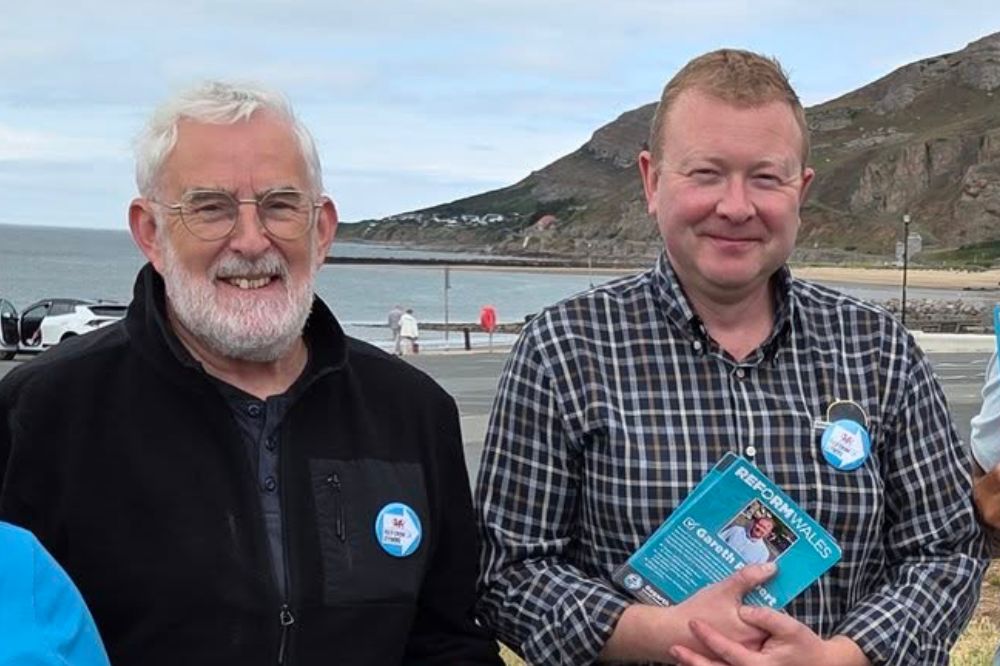
Reform’s Alan Davies was selected as the party’s candidate in Tudno, while Gareth Probert is standing for Reform in Gogarth Mostyn.
Mr Probert’s campaign leaflets state he will “vote against” any tourism tax plans for the area, while Mr Davies says he will be a “fair voice” for residents on the issue.
Welsh Conservative Conwy County Borough Councillor Harry Saville said Mr Davies’ position on the visitor levy was “pretty vague”, adding that it could lead some voters to believe Reform supports the controversial tax.
In a video posted to Facebook, Mr Saville said: “There’s currently two county council by-elections in Llandudno – one in the Gogarth Mostyn ward and one in the Tudno ward.
“In both wards Reform UK have been campaigning on the tourism tax.
“As I’ve said before, I’m not supportive of the proposed tourism tax and I’m deeply sceptical.
“In the Tudno ward Reform have been putting out leaflets saying they will be ‘A fair voice in tourism tax’.
“It’s a pretty vague statement and could mean anything to anyone. To some people it could sound supportive.
“In the Gogarth Mostyn ward they’ve been putting out leaflets saying they will ‘vote against tourism tax’. Pretty unequivocal.
“The tourism tax is a contentious issue. I don’t think it’s unreasonable to ask where Reform’s candidates actually stand on this, and why they’re putting out different messages in different wards.”
Charge
Nation.Cymru asked Reform’s Bangor Conwy Môn branch why it’s two candidates in Tudno and Gogarth Mostyn appeared to hold differing opinions on the visitor levy.
Branch Chair, John Clark, confirmed that Mr Davies is “against” Wales tourism tax, adding that his leaflet had been “badly worded”.
When Wales’ visitor levy comes into force in April 2027, councils will be able to choose whether to apply a discretionary charge on overnight stays in visitor accommodation within their area.
All the money raised by the levy must be retained locally and reinvested into community projects – including maintaining beaches, parks, and town centres.
Llandudno is a considered a premier tourist hotspot, boasting the largest seaside resort in Wales.
Opinions in area are divided regarding the proposed levy with local councils conducting formal consultations to gauge the community’s perspective.
The local tourism sector has raised concerns that the policy could deter price-sensitive visitors from booking stays in the popular beauty spot.
However, many residents believe the policy could have positive benefits, with the revenue generated helping improve areas that see high numbers of visitors.
Support our Nation today
For the price of a cup of coffee a month you can help us create an independent, not-for-profit, national news service for the people of Wales, by the people of Wales.
Get more trusted Welsh news
Choose Nation.Cymru as a preferred source in Google News to see more of our journalism.



The alternative is to put up council tax to fund the visitor economy, or let the town decline by cutting back on investment. They should explain which alternative they want instead.
Farage’s hopes of being prime minister in 2029 could be rather soured by the continued public exposure of his illicit activities
https://democracyforsale.substack.com/p/revealed-nigel-farage-is-breaking