

Reform councillor criticised for implying that the Church of England operates in Wales
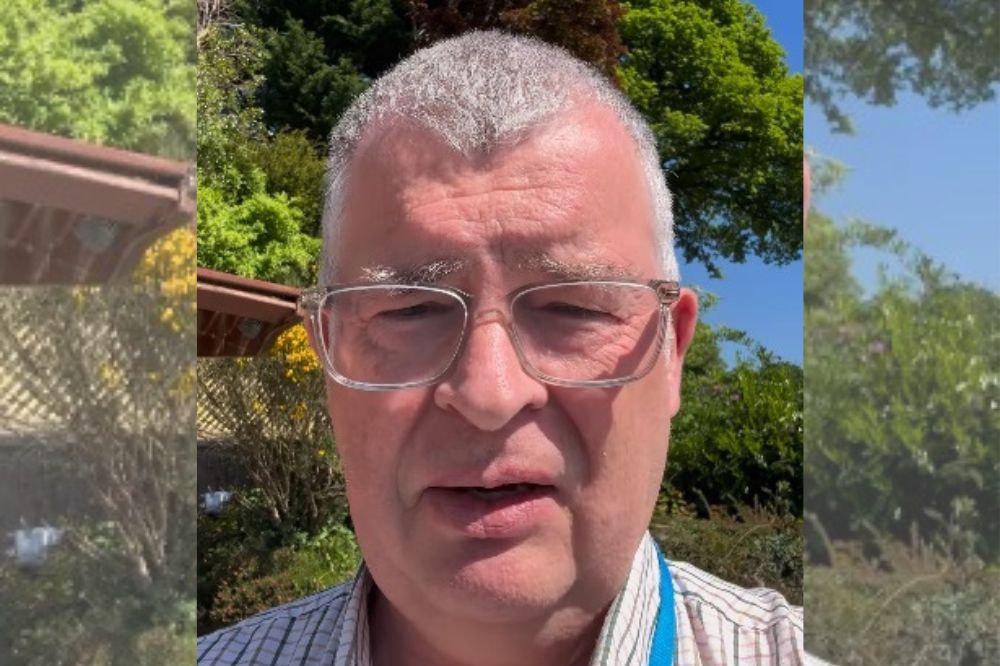
Martin Shipton
A Reform UK councillor who aspires to be a Senedd Member has been criticised after appearing to claim that the Church of England functions in Wales as well as England – despite the Church in Wales having been formed as a separate entity in 1920.
Iain McIntosh defected from the Conservative Party in March 2025 and now leads the Reform UK group on Powys County Council.
Reviewing the newspapers on BBC Radio Wales’ Sunday Supplement programme, Cllr McIntosh, who runs a carpet and flooring company in Brecon, said: “I picked up a story in the Sun and it’s entitled ‘For God’s sake!’
“Now this is a story about how the Green Party would drop the Church of England as the nation’s established Church, if it was to win the general election. As has been reported in this, I think the Green Party or the people behind this idea certainly are out of touch.
“The Church of England has been in place as the nation’s Church since 1534m through an Act of Supremacy during King Henry V111’s reign.
“So what on earth are these people thinking in trying to sort of drop that really?”
Presenter Nick Servini then intervened to say: “We should say not applicable in Wales, of course”, and swiftly moved on to hear from another guest.
A reader who was listening to the programme contacted Nation.Cymru and said: “He seemed to be totally unaware of the huge 19th century campaign for disestablishment of the church in Wales culminating in the creation of the Church in Wales after the First World War.
“I don’t know Cllr McIntosh’s background but I think he was brought up in Wales and went to school here. It’s ironic that he would try to raise a story so directly in contradiction with a key episode of relatively modern Welsh life. Even the, presumably bemused, presenter had to say ‘that doesn’t apply to Wales though’.”
When Cllr McIntosh defected to Reform, he stated in his resignation letter from the Conservative Party that despite being a lifelong Conservative, he could no longer support a party that he believed has “abandoned the core values that once defined it”.
We asked Cllr McIntosh whether he was aware of the disestablishment of the Anglican Church in Wales 106 years ago, and he said: “Yes – but that wasn’t what I was focussing on.”
He pointed us to a social media post in which he wrote: “It’s about the principles behind what political parties want to do in the future and how they value the foundations of our history, heritage and culture.
“With the Green Party standing, and Plaid Cymru who are sympathetic to many of their views and policies standing too, Welsh voters need to understand what they are voting for in the Senedd election.”
He said he had spent the “vast majority” of his life living in Wales, including three years at Llandovery College.
Prior to his defection, Cllr McIntosh was the Chairman of the Brecon, Radnor and Cwmtawe Conservative Association and Deputy Chairman for the party’s Mid and West Wales region.
In his letter of resignation from the Conservative Party, he expressed “deep regret” over his decision, but claimed that the party’s shift towards “political correctness, divisive identity politics, and failure to address key national issues” left him disillusioned.
He also criticised the Conservative Party’s leadership, accusing it of abandoning “traditional conservative values”.
Support our Nation today
For the price of a cup of coffee a month you can help us create an independent, not-for-profit, national news service for the people of Wales, by the people of Wales.



Let’s not forget that the CoE was a fake religion set up by Henry so he could get his leg over.