


Renewable electricity ‘going from strength to strength’ with new record in 2026
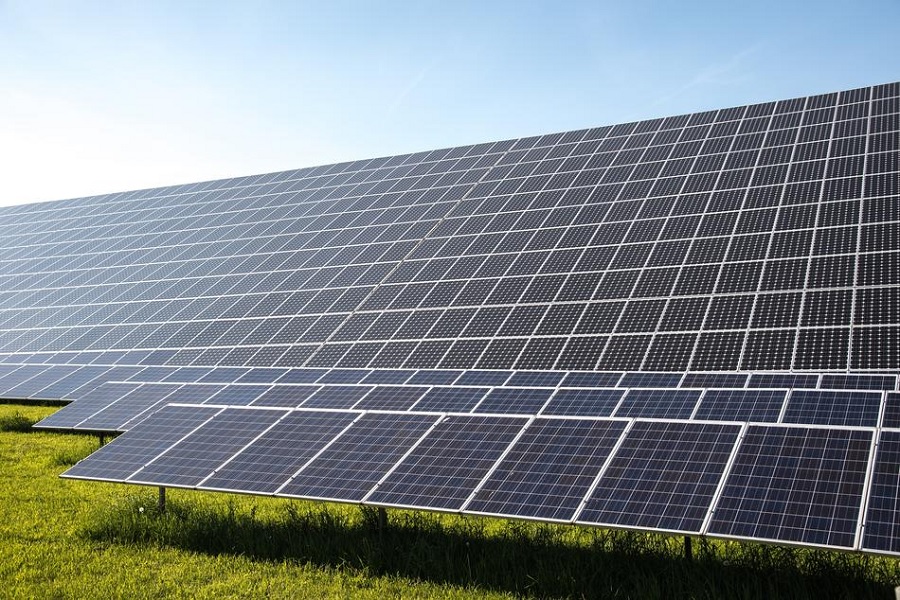
Renewable power generation reached a new record in the first three months of the year, accounting for 53% of generation, figures indicate.
The new record was hailed by ministers as showing British renewables were going from “strength to strength” as they insisted clean power would help deliver energy security.
The statistics also indicate the growing electricity demand of data centres, particularly in hotspots such as Slough in Berkshire, where they accounted for almost two-thirds of the town’s power demand in 2024.
The official statistics from the Department of Energy Security and Net Zero (Desnz) suggest 43.7 terawatt hours of electricity came from renewables in January to March 2026, up 18% on the previous year.
The boost to renewables came from an increase in the amount of solar and wind capacity installed, with a 30% increase in the amount of wind generation from new farms and higher wind speeds.
Wind provided 35.6% of overall electricity generation in the first quarter of 2026, outstripping the 32.3% of power provided by gas.
Overall, low-carbon generation was up 6.5 percentage points on the same period last year, to 63.8% of total power production, with the increase in wind offsetting a fall in nuclear, the figures indicate.
Energy minister Michael Shanks said: “As we approach the third year of our clean power mission, it’s clear that Britain’s renewables sector is going from strength to strength.
“Wind generation surged by a record 30% in the first three months of the year as projects such as the first phases of Dogger Bank came online.
“Solar is also powering ahead, with the UK’s largest solar farm, Cleve Hill Solar Farm, going online and 12% more solar built over the past year.
“The lessons from the war in Iran are clear: energy security starts at home.
“That’s why we’re going further and faster to deliver clean power – ending our dependence on volatile fossil fuel markets and bringing down bills for good.”
The figures also suggest overall UK energy production fell 4% in the past quarter, compared to last year, due to continued falls in oil and gas output as the North Sea basin matures.
Across energy as a whole, dependency on imports was up slightly to a net 47.1%, but fossil fuel dependency was down 1.3% to 76.6% in the first quarter of 2026 compared to the same period in 2025.
The figures from Desnz indicate electricity demand from data centres grew by two-fifths between 2020 and 2024, mostly because of growing power requirements of existing data centres and new facilities in Hillingdon, London, and Slough.
Data centres accounted for around 2% of the total 249 terawatt hours of electricity consumed from the British grid in 2024, with around three-quarters of that used in the south-east of England and London.
Slough, in Berkshire, consumed 29% of all the power used for data centres in 2024, with the energy-hungry facilities using 65% of all electricity consumed from the grid in the town.
Support our Nation today
For the price of a cup of coffee a month you can help us create an independent, not-for-profit, national news service for the people of Wales, by the people of Wales.
Get more trusted Welsh news
Choose Nation.Cymru as a preferred source in Google News to see more of our journalism.


