


Renewables generate half of UK’s electricity in 2024 in new record high
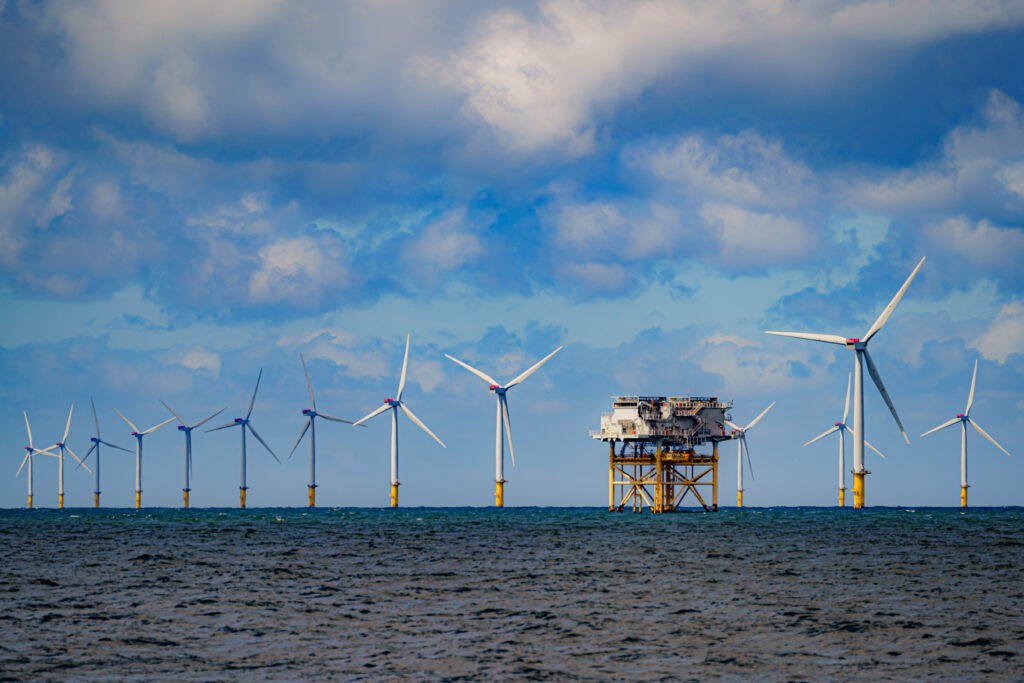
Renewables generated more than half of the UK’s power for the first time in 2024 in a new record high for clean electricity sources.
Official figures show wind, solar, hydro and biomass generated 50.4% of UK power last year, up from 46.5% in 2023, due to record high levels of wind and bioenergy power.
At the same time fossil fuels – mainly gas – fell to a record low share of 31.8% of generation, with Britain’s last coal plant shutting in September 2024, the figures from the Department for Energy Security and Net Zero show.
The share from low carbon sources, which includes nuclear as well as renewable sources rose to nearly two thirds of overall generation (64.7%), a new record high.
But gas remained the single biggest source of UK power, at 30.4%, still slightly outpacing wind’s contribution of 29.2% of generation – although that is likely to change as more wind farms come online.
Energy minister Michael Shanks said: “For the first year on record, renewables generated more than half of the UK’s electricity production.
“This clean, secure, homegrown power is exactly what we want more of through our clean power mission – further reducing our exposure to the rollercoaster of fossil fuel markets.
“In reaching this milestone, we are on the path to securing our energy system so families and businesses are no longer exposed to fossil fuel markets we can’t control.
“Fantastic news”
Greenpeace UK’s head of climate, Mel Evans, described the renewables figures as “fantastic news”.
“More of our electricity than ever before is produced by the wind and the sun as we continue to move away from dirty gas.
“It’s also what we are seeing globally as last year renewables made up over nine tenths of new electricity capacity.”
But she said that with energy bills “sky high”, the figures highlighted the absurdity of continuing to allow a smaller and smaller proportion of gas to dictate the price of power.
Under the current system the price that consumers pay for their electricity is mostly set by the cost of gas, driving up the cost of what households have to pay for power from renewables and nuclear.
“Right now, expensive gas power is pushing up energy bills for households and businesses,” Ms Evans said.
“Until we reform this system and stop gas from setting electricity prices, we’re not going to enjoy the full benefits and lower prices that more renewable power can bring.”
Demand
The figures also showed oil production fell by 8.8% and natural gas production was down 10% with output of both fossil fuels falling to record low levels.
Production of oil and gas is 75% below the peak seen in 1999, reflecting the decline in output from the UK’s shrinking North Sea reserves.
Demand for coal fell in 2024, by 52% to 2.1 million tonnes compared to 2023, as the fuel mix shifted towards other sources of fuel, particularly for electricity generation.
The figures also reveal aviation fuel demand rose by 9.4% in 2024, and is now 1.3% above pre-pandemic 2019 levels.
Support our Nation today
For the price of a cup of coffee a month you can help us create an independent, not-for-profit, national news service for the people of Wales, by the people of Wales.



Biomass, ie burning waste in an incinerator, should not be classed as renewable.
No noes, all those petrochemicals that we haven’t burnt…
Getting there. Still a lot of kinks in the system though.
Perhaps these absurdly expensive windmills can be compulsory purchased and then sold back to the private sector without the absurd contracts linked to the price of gas.