


Report reveals ‘true scale’ of environmental impact of pig and poultry farming
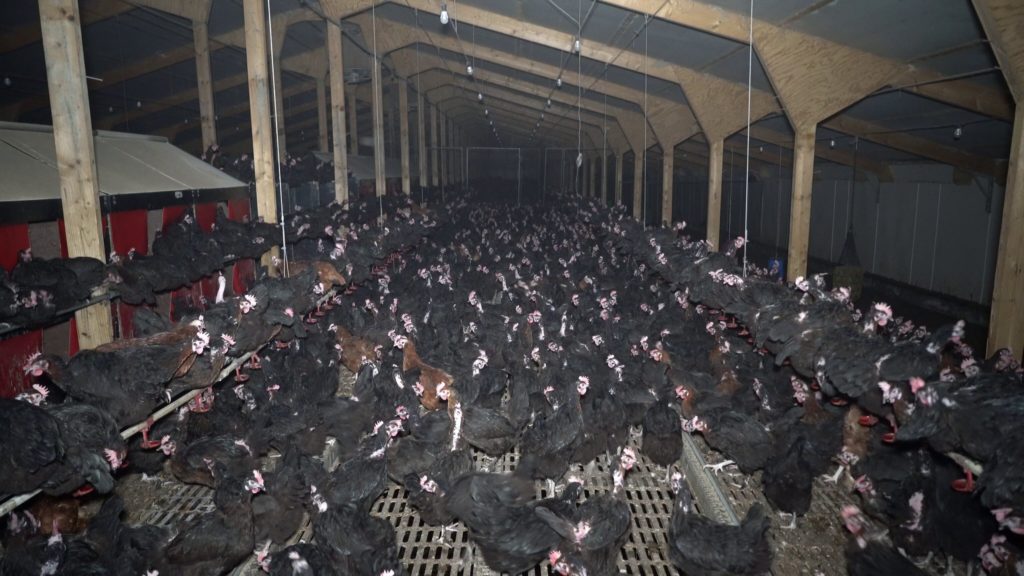
Pollution from the “huge” pig and poultry farming sectors is harming rivers, the wider landscape and nature, a report from the Wildlife Trusts warns.
The findings from the report into the environmental impact of the sectors reveal the waste from producing millions of pigs and billions of birds and eggs a year is about 10.4 million cubic metres annually – the equivalent to 4,160 Olympic-sized swimming pools.
The high levels of nutrients, such as nitrogen and phosphorus, in the manure make it hard to use it on farmland sustainably, and cause pollution in habitats including rivers which harms water quality and the wildlife that lives in the freshwater environment.
The situation is particularly acute in the “hotspots” where poultry and pig production are concentrated, the report warns.
The study, commissioned by the Wildlife Trusts and carried out by Cumulus Consultants, also warns more than a third of the UK’s wheat crop goes to pig and poultry feed, highlighting the “vast” area of land associated with production of livestock beyond the intensive farming units themselves.
Much of that is grown using fertilisers and pesticides which can also pollute the countryside, harming wildlife and habitats, the trusts warn.
Conservationists are calling for the Government and industry to support farmers to shift to a less polluting and more integrated pig and poultry system to clean up rivers and help meet legally binding environmental targets.
The report says the UK breeds, grows and slaughters in the region of 11 million pigs and 1.1 billion chickens for food each year, while there is also an egg laying flock of around 40 million birds, producing around 12 billion eggs.This huge industry is spread across the UK but is focused in particular hotspots, where there is a high risk of large levels of very concentrated waste accumulating in the environment.
Powys
In Wales, nearly 56% of the total poultry flock is in Powys, and in Northern Ireland, two-thirds of pig holdings are in just two council areas – Armagh City, Banbridge and Craigavon, and Mid Ulster.
In England, 30% of pig holdings are in Yorkshire and Humberside, and 28% of all poultry holdings are in the Midlands, with an eighth of England’s broiler flock in Lincolnshire alone.
The report estimates some 520,000 to 580,000 hectares of wheat grown in the UK is needed for feed for pigs and poultry, equivalent to 34-38% of the country’s total wheat crop, with an associated use of 2,621 tonnes of pesticides including fungicides.
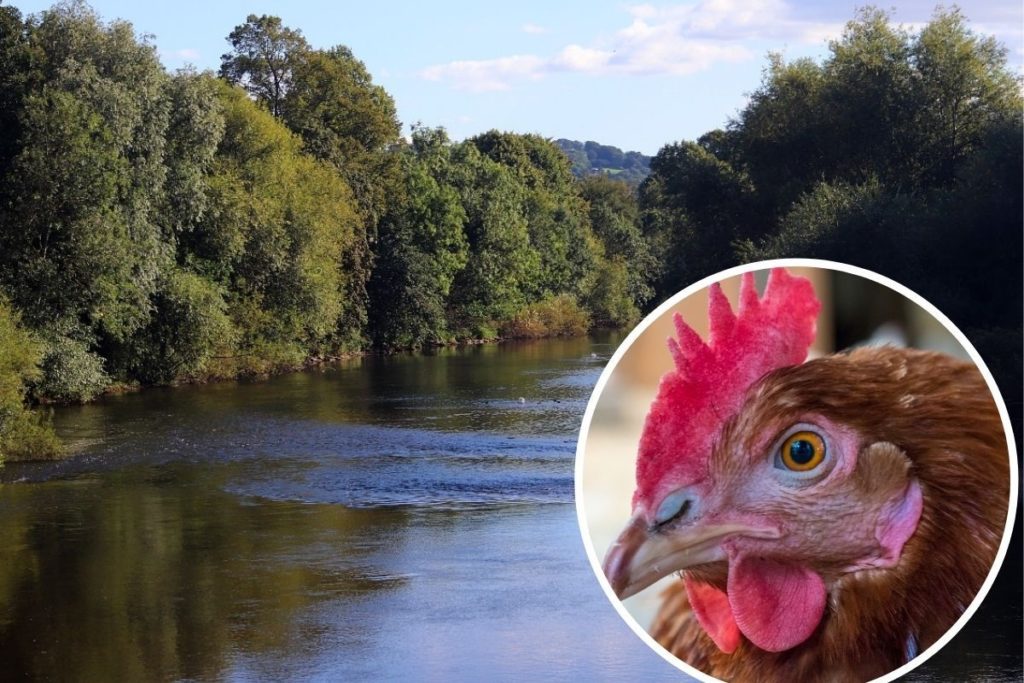
While environmental regulations are in place for pig and poultry housing across the UK, the report warns the majority of breeding sows in England fall outside environmental permitting rules, along with significant proportions of pig populations across the UK.
This means regulators lack a key route to managing the impacts of these farming units, and while a high proportion of poultry farms fall within the rules, not all producers appear to be adopting best practice, the report warns, pointing to pollution issues on the River Wye catchment.
The “significant” environmental impacts of pig and poultry feed production are also outside of any reporting or permitting for the sector.
Wider risks
Barnaby Coupe, senior land use policy manager at the Wildlife Trusts, said: “Assessment of the environmental impacts of pig and poultry production to date has largely focused on the immediate risks of slurry pollution, but this research looks for the first time at the wider risks across the whole UK sector – in particular the vast land take for feed production.
“It’s clear that the significant impacts of pig and poultry production in the UK extend well beyond the intensive farming units themselves, and should leave us in no doubt that further action is needed to address the risks of environmental harms.
“A requirement for nutrient management action plans and reformed permitting regimes can help address these issues, but crucially there must be support from both Government and the industry so farmers are not landed with the burden of fixing this broken system.
“Farmers are facing enormous challenges right now and need support if they are to maximise benefits for the environment, particularly for water quality and biodiversity.”
He added: “The findings of this report clearly show that solutions must be found by the supply chain and by Government in order to support farmers to transition to a less polluting and more integrated pig and poultry system which in turn helps to clean up our rivers and meet our legally binding nature recovery and climate targets.”
An Environment Department (Defra) spokesperson said: “We share the public’s concern about the health of our waterways and are committed to cleaning up our rivers and cutting down on agricultural pollution.
“We have updated our guidance on the farming rules for water to cut run-off into waterways and doubled funding for Environment Agency farm inspections to drive compliance and support sustainable farm businesses.”
Support our Nation today
For the price of a cup of coffee a month you can help us create an independent, not-for-profit, national news service for the people of Wales, by the people of Wales.



Horrendous!!! When buying poultry or any animal meat we don’t give a second thought of the miserable life these creatures have endured during their short lives.
The situation has… marginally improved it seems. Anyone remember the 1990s?
That isnt a very high bench mark to go by though is it?
Unfortunately the UKs high demand for affordable poultry and pork products. Has meant we’ve gone down this route. Factory farming will always cause environmental damage to water courses and the land itself, because of its intensity and the amount of waste produced and water needed to function. When people who own or are employed in this industry’s only concerns are the day to day functioning of facilities and profits. Not only do the animals suffer but the wider environment also does.
There’s just no justification for this.