


Report says Hynet cable work will have no significant impact on SSSI
Alec Doyle Local Democracy Reporter
Laying cables underneath Gronant Sand dunes to upgrade telecoms for the Hynet project will have no significant impact on the environment, according a new report.
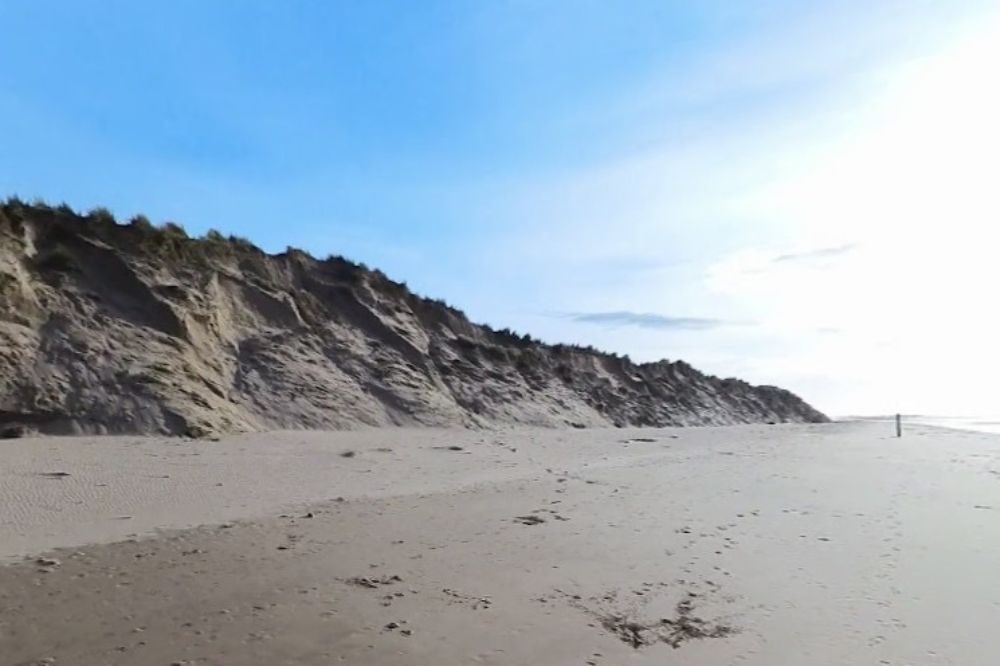
A fresh Environmental Impact Assessment has been submitted for a planned electrical and fibre-optic cable which will run beneath the dunes at Talacre – which is designated as a Site of Special Scientific Interest – to deliver power and upgraded communications to the Douglas Offshore Platform in the Irish Sea.
An earlier application had already been approved but the applicant – Liverpool Bay CCS – has had to carry out a second assessment after being advised to move the cable 250m east of its original location to prevent impact on vessel movements.
The cable will support the operation of the Douglas Offshore Platform as it receives the industrial carbon dioxide transported by the Hynet pipeline from Cheshire and North Wales and stores it in depleted oil and gas reservoirs in Liverpool Bay.
Carbon capture
Hynet is a pipeline that will run from Cheshire through North Wales and into the Irish Sea. It will carry carbon dioxide captured from industrial processes from Runcorn to Ellesmere Port to Padeswood.
Instead of being released into the atmosphere the capture carbon will then be transported via the pipeline into the oil and gas wells where it will be stored underground.
The cable will be laid by a horizontal directional drilling process approximately 2.5m below Talacre Beach and the dune just north of Point of Ayr Gas Terminal.
Considerations
According to the assessment it will avoid bird foraging areas and the two historic air crash sites in the area – although it does recognise that there is potential for buried archaeological remains to be discovered and this will be considered as the project begins.
The report also indicates there will be no significant adverse impact on protected species including natterjack toads, sand lizards, terns, warblers and sandhill rustic moths.
Works will be timed to avoid the terns’ breeding season while installing the cable under the dunes would avoid disturbing the land-based species.
If approved work is scheduled to take place between February and April 2026.
Support our Nation today
For the price of a cup of coffee a month you can help us create an independent, not-for-profit, national news service for the people of Wales, by the people of Wales.


