


Residents take on council over town’s decline
Hayley Jones
Residents of a town in north Wales are challenging their local council about the area’s deteriorating condition and the lack of a clear regeneration plan.
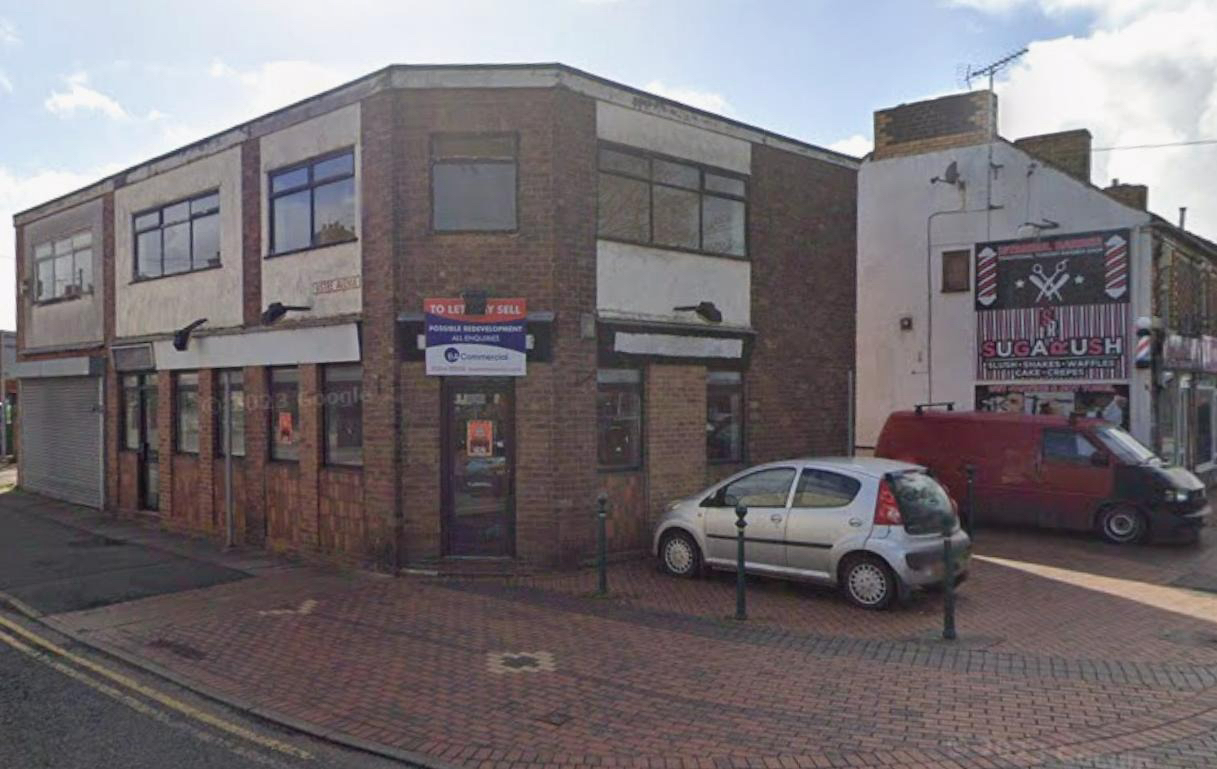
People living in Buckley have complained about empty shops, no bank, poor accessibility for disabled people, overdevelopment, deteriorating roads and the loss of historic buildings and want to know why Buckley appears to lag behind neighbouring towns such as Mold and Connah’s Quay – two neighbouring towns with banks, thriving shops and street markets.
Local businessman Thomas Jones, owner of Four Seasons Tree and Landscaping, is leading the campaign to tackle the town’s problems. He said : “Enough is enough. We want answers as to why it’s a complete mess and why there are so many empty shops.
“The empty shops are a complete eyesore. Buckley Town Council needs to get the owners to clean them up. The roads all over the town are full of potholes. There’s nowhere for kids to go, they’re desperate for somewhere at night, some sort of pool, snooker hall, or games room”.
Another local said: “The high street here has disappeared, we are paying a huge amount in council tax and no one is explaining what we’re paying for, even the bins collection is every three weeks. We’ve had enough.
“And the biggest question of all is why on earth the Black Horse, a 200-year-old building, wasn’t a listed building.”
Residents argue that The Black Horse pub was part of the town’s identity. But for many, the issue goes beyond one building and reflects wider concerns about heritage protection in the town.
Buckley, with a population of 16,000 people was once a thriving industrial town renowned for brick making, tile works and cement production, with its famous Buckley bricks exported widely across the UK.
Its past prosperity shaped the town’s growth and strong community identity, reflected in social landmarks like the Tivoli Ballroom and in celebrations such as the Buckley Jubilee, both of which still exist but on a much smaller scale than in their peak years.
Buckley is now seen as a commuter town but Mike Jones said: “It’s a ghost town. Nobody listens to us. The council says it’s going to help us but then does nothing. We’ve heard it all before”.
Responding to the points raised by locals, Flintshire County Council said: “The Council has approved a long-term Place Making Plan for Buckley to guide regeneration, shaped by consultation with more than 2,000 residents.
“In the past two years, over £563,000 has been invested to bring commercial units back into use and support community events, with a further £400,000 allocated to improve the main shopping street, subject to consultation and a funding bid to Welsh Government.
“In relation to the former Black Horse Hotel, the demolition submission was not a full planning application but a prior approval process to confirm permission was not required, assessed within a 28-day timeframe and not subject to the usual consultation requirements.”
The next public meeting between the residents and Flintshire County Council will take place on 24 March.
Support our Nation today
For the price of a cup of coffee a month you can help us create an independent, not-for-profit, national news service for the people of Wales, by the people of Wales.



Why are there empty shop units is simply that not enough people used them. Even back in the early 1990s when I first got acquainted with Buckley it was not a very attractive place to spend time and Mold just has a nicer vibe.
But this is not just a Buckley problem and more a problem of buying stuff online. How you turn that around I simply do not have an answer but have observed that European cities and towns do not appear to have fared so badly.
A 30% VAT rate for online purchases used to fund a high street VAT cut would even things up