


Review of new Senedd voting system welcomed amid concerns over voter choice
Mark Mansfield
The Electoral Reform Society has welcomed a review of the new Senedd voting system, saying it offers a chance to give voters more say over which candidates represent them.
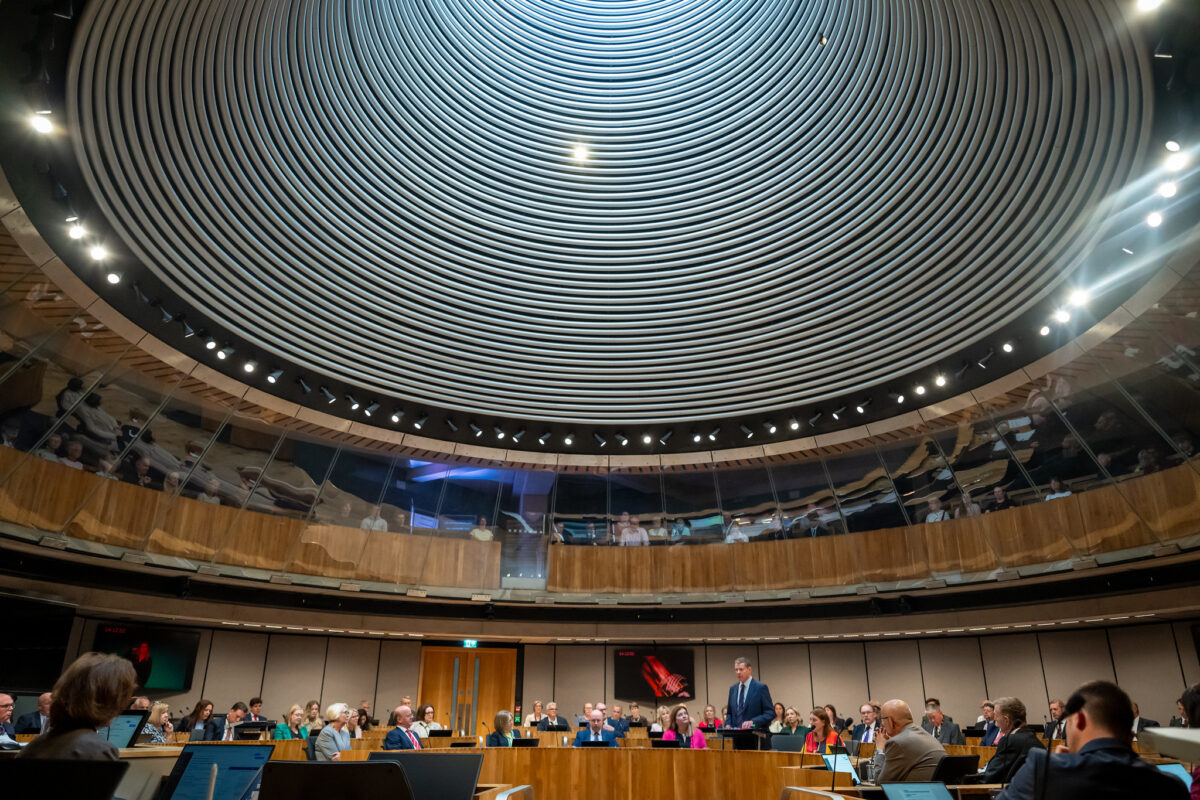
The review follows May’s election, the first to use closed party lists across Wales and to return 96 Members of the Senedd, up from 60. The legislation that introduced the reforms required a review after the first election under the new system.
MSs agreed the motion setting out the review’s terms without objection on 18 November. The Constitution, Justice and External Affairs Committee has until 24 September 2027 to report, after which Welsh Ministers must set out their response.
Jessica Blair, director of ERS Cymru, said: “We hope the review provides an opportunity to revisit concerns about the electoral system and, in particular, the loss of voter choice under closed lists.
“Power could be handed back to voters by ‘opening the lists’, allowing voters to back individual candidates, or moving to the Electoral Reform Society’s preferred system, the Single Transferable Vote.”
Under the previous system, voters had two votes. One was for a constituency candidate, with 40 seats decided by first past the post. The other was for a party on a regional list, with 20 seats allocated across five regions.
In May, voters had a single vote for a party list or an independent candidate. Wales was divided into 16 new constituencies, each returning six MSs. Seats are allocated within each constituency, and parties fill the seats they win in the order in which they listed their candidates before polling day.
The expert panel on electoral reform recommended the single transferable vote in 2017. Under that system, voters can rank individual candidates in order of preference. The panel ruled out closed lists because they lacked “accountability for individual Members directly to voters”.
Questions
May’s election also raised questions about how closely seat totals reflected votes. Plaid Cymru won 43 seats on 35.4% of the vote and formed the Welsh Government for the first time. Reform UK won 34 seats on 29.3%.
Together, the two parties took 77 of the 96 seats on just under 65% of the vote. The Wales Green Party took 6.7% of the vote and won two seats, just over 2% of the total.
Post-election analysis by Senedd Research found the result was only slightly more proportional than in 2021. Turnout passed 50% for the first time at a Senedd election, up from 46.6% in 2021.
The committee will also look at how the expanded Senedd is working, the number of Welsh Ministers and the wider health of democracy in Wales. Its chair, Carrie Harper, said extending the deadline from May to September would give the committee more time to hear from experts, organisations and the public.
Any bill to change the Senedd voting system would need the backing of at least two-thirds of its members, equivalent to 64 of the 96 seats.
Support our Nation today
For the price of a cup of coffee a month you can help us create an independent, not-for-profit, national news service for the people of Wales, by the people of Wales.
Get more trusted Welsh news
Choose Nation.Cymru as a preferred source in Google News to see more of our journalism.



My suggestion: 96 much smaller constituencies, electing a single AS using the SV system, which gives every voter a first and second preference and ensures the winner has at least 50% of votes. (We used to use this system for Police and Crime Commissioners).
It’s fair, ensures the winner has 50% of votes, and having much smaller constituencies would make the AS more accountable to the population he/she serves – encouraging more local candidates.