


RNLI issues warning to beachgoers as Wales braces for new heatwave
Nation.Cymru staff
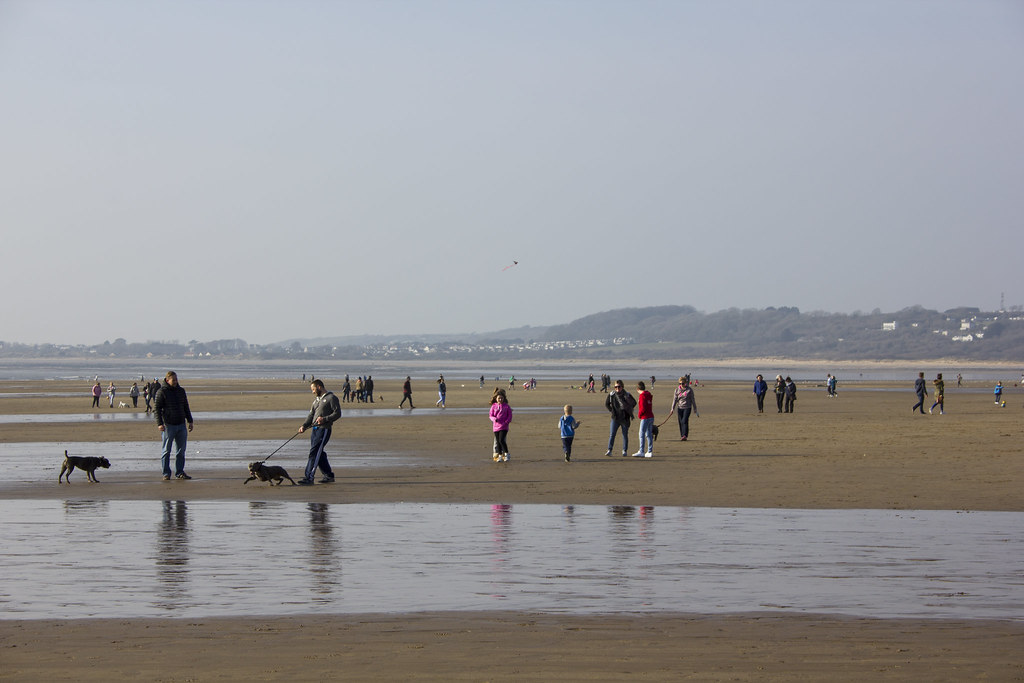
People heading to the Welsh coast during the latest spell of hot weather are being warned to check tide times amid an increased risk of becoming stranded by rapidly rising water.
The warning comes from the RNLI as Wales faces its fifth heatwave of the year and spring tides are expected around the coast this week.
Spring tides produce a greater difference between high and low water than usual, meaning the incoming tide can travel further and potentially cut people off more quickly.
With the Met Office issuing an amber warning as temperatures climb, the lifesaving charity is urging people visiting beaches and other coastal areas to plan ahead and take extra care.
RNLI Water Safety Delivery Support Tirion Dowsett said: “Tide times and heights vary throughout the month, and the incoming tide can easily leave people stranded, requiring assistance.
“There will be spring tides over this coming week meaning a greater difference between low and high tide, therefore at high tide the water comes in further and can move faster than on smaller tides.
“On bigger tides, places will be cut off by the tide more quickly than normal and places usually unaffected by the tide may also be cut off.
“If you are planning on visiting the coast over the next few days, always check the tide times before you go. If you are having difficulty understanding the information on tide tables, ask people who know the area and pay attention to any safety signs.
“RNLI beach lifeguards are especially helpful and knowledgeable about the beach they work on and will offer you safety advice.”
Ms Dowsett added: “It’s hard to imagine how walking near the coast can turn out to be such a dangerous activity, check the tide times at the start of your day, keep an eye out for the incoming tide and leave enough time to return safely.
“Always carry a means of calling for help, like a fully charged mobile phone.
“If you do get into difficulty, call 999 and ask for the Coastguard.”
Cold water shock
Despite the rising air temperatures, the RNLI is also warning that the sea and other open water can remain cold enough to cause cold water shock.
Ms Dowsett said: “Cold water shock is a real danger, which we particularly want people to be aware of. The sea or open water may look inviting during hot weather, but it remains cold enough year-round to trigger cold water shock, which can cause uncontrollable gasping, increased heart rate, and can lead to panic and drowning very quickly.
“It’s best to enter the water slowly to gradually acclimatise.
“Anyone who finds themselves in danger in the water should fight the panic instinct and Float to Live – try to relax and float on their back, with head tilted back, gently moving their hands and legs to help them stay afloat.
“This buys valuable time to get your breathing back under control, before then calling for help or swimming to safety.”
The charity is also reminding people that the safest place to swim is at a lifeguarded beach and to stay between the red and yellow flags.
A number of beaches across the Vale of Glamorgan, Bridgend, Swansea, Pembrokeshire, Ceredigion and Denbighshire are now being lifeguarded full-time between 10am and 6pm.
Support our Nation today
For the price of a cup of coffee a month you can help us create an independent, not-for-profit, national news service for the people of Wales, by the people of Wales.
Get more trusted Welsh news
Choose Nation.Cymru as a preferred source in Google News to see more of our journalism.



