


Robin, skylark and song thrush numbers rise in Wales
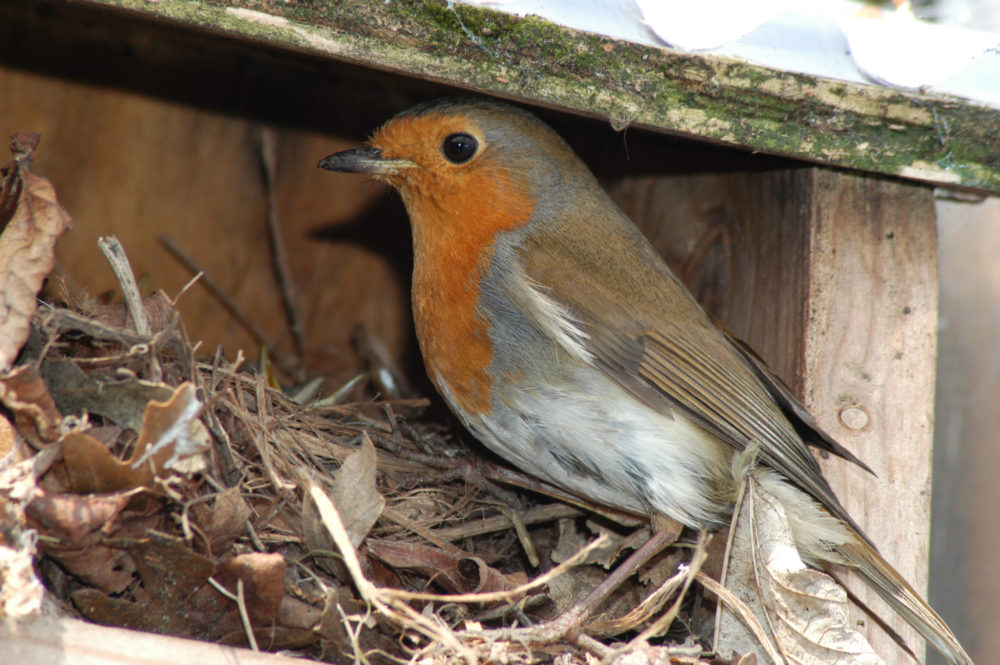
Some of Wales’ most familiar birds are increasing in number, according to new data, but conservationists warn the overall picture remains one of long-term decline.
The latest results from the Breeding Bird Survey, compiled by the British Trust for Ornithology, Joint Nature Conservation Committee and Royal Society for the Protection of Birds, show that robin numbers in Wales have increased by 22% over the past decade.
Skylark and song thrush populations, both often associated with decline, are also showing signs of recovery, rising by 24% and 27% respectively over the past five years. Woodland species such as the nuthatch have continued a longer-term upward trend, increasing by 55% since the mid-1990s.
However, the survey — which tracks 60 common and widespread breeding species — also highlights sharp and sustained declines elsewhere.
Swift numbers have fallen by 76% in Wales since 1995, while curlew populations have dropped by 74% over the same period and by 38% in the last decade. The yellowhammer has declined by 75% since 1995, with losses outpacing those recorded in England and Scotland.
Julian Hughes, head of species at the Royal Society for the Protection of Birds in Wales, said the figures reflected a changing soundscape in the countryside “Many once-familiar sounds of our countryside are more muted than in the 1990s: the cry of curlews, the screech of swifts and the ‘little bit of bread and no cheese’ of yellowhammers are fading away.
“The recovery in song thrush, and positive signs for skylark, show the important role that farming plays in the fortunes of nature in Wales. The BBS trends should be high on the mind of the next Government in setting its policies to achieve nature recovery.”
Greatest declines and increases across Wales between 1995 and 2024.

Ethan Workman, speaking on behalf of the Joint Nature Conservation Committee, said improvements for some species should not obscure the wider trend “Continued increases in cherished woodland species, such as great spotted woodpecker and song thrush, are a welcome sight in Wales.
“However, it mustn’t distract from the generally worrying picture of Welsh birds. Many woodland species are not seeing the same success, and farmland species like yellowhammer continue to fare poorly.
“Monitoring of birds in Wales has never been more important, with the introduction of the new Welsh Sustainable Farming Scheme.”
Long term data
James Heywood, national organiser of the Breeding Bird Survey, said the findings underline the importance of long-term data in shaping environmental policy: “The results of their efforts highlight the declines of some of the most iconic birds of Welsh farmland.
“With a new farming scheme in place in Wales, it is more important than ever to provide robust evidence for the effects of land-use on our wildlife. The Breeding Bird Survey provides one of the best sources of that evidence.”
The new findings are based on what the organisers describe as the most extensive survey coverage to date, offering one of the clearest pictures yet of how bird populations in Wales are changing during the breeding season.
Support our Nation today
For the price of a cup of coffee a month you can help us create an independent, not-for-profit, national news service for the people of Wales, by the people of Wales.


