


RSPCA shares advice to keep animals safe during the cold weather
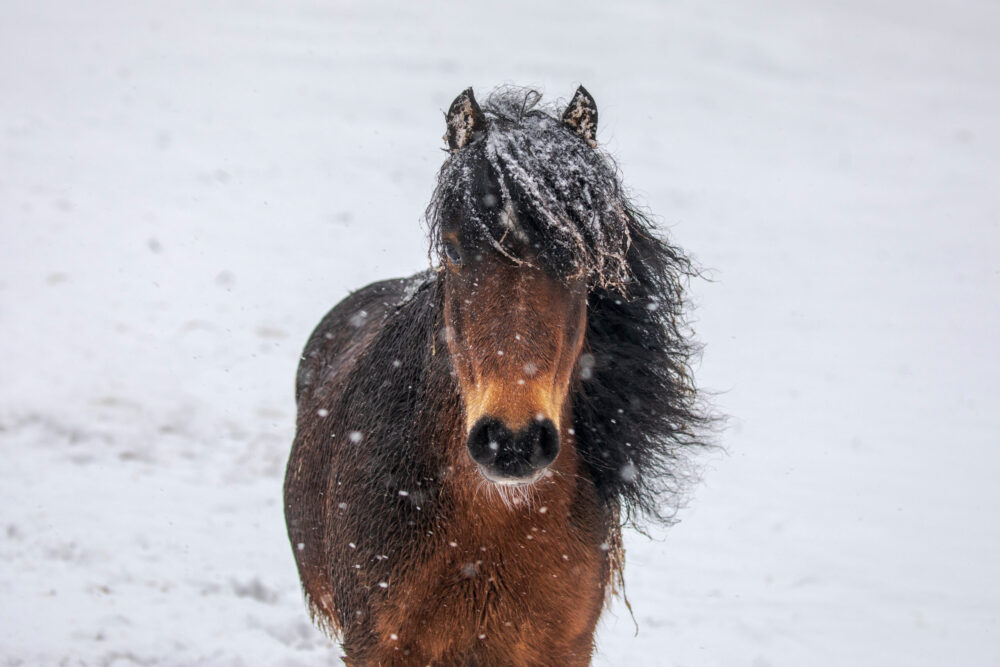
With Met Office warnings for snow and ice over the next week, the RSPCA is urging people to take some simple steps to help keep pets, livestock and wildlife safe.
Low temperatures and icy conditions present additional challenges for animals, particularly those that are outdoors or in exposed areas. The charity is reminding people that a few simple checks and small changes to daily routines can help keep pets, livestock and wildlife comfortable and safe during colder spells.
The call comes as the RSPCA’s Big Give Back to Animals continues to raise awareness for how the public can support its frontline officers amid a challenging winter.
RSPCA superintendent Simon Osborne said: “Cold weather can be challenging for animals, especially those that are outside.
“A few simple steps – like giving pets extra bedding, preventing water from freezing, or leaving extra food for birds – can make a big difference. Small actions like these help keep our pets, livestock and wildlife safe, warm and comfortable during the colder days ahead.”
The RSPCA is encouraging pet owners and members of the public to consider the following winter care tips:
‘Keep an eye on outdoor pets’
The RSPCA advises bringing outdoor pets such as rabbits and guinea pigs indoors when temperatures drop below 15°C (59°F).
If pets remain outside, provide plenty of extra bedding, and ensure hutches are protected with insulated and ventilated covers.
The hutches should also be in a sheltered position, with a sloped roof, and should be raised off the ground by at least 4in (10cm).
‘Access to warm areas, bedding, and food’
Ensure cats have constant access to a warm, indoor area, whether that’s the house, a suitable outbuilding or barn. Bedding and sleeping areas should be warm, dry and free from draughts.
The RSPCA does not advise keeping dogs outdoors in any weather and they should have constant access to a clean, dry sleeping area with a safe heat source to prevent temperatures dropping below 10°C (50°F).
Protect pet birds who may be in aviaries, coops, or runs by providing extra dry bedding, covering enclosures to keep wind and rain out, and ensuring constant access to food and fresh, unfrozen water.
Never house animals, including birds, in greenhouses and take care if you have a conservatory.
‘Towels and additional bedding’
If your pets get wet or cold, dry and warm them using a towel, and provide additional bedding where needed.
‘Pet clothing’
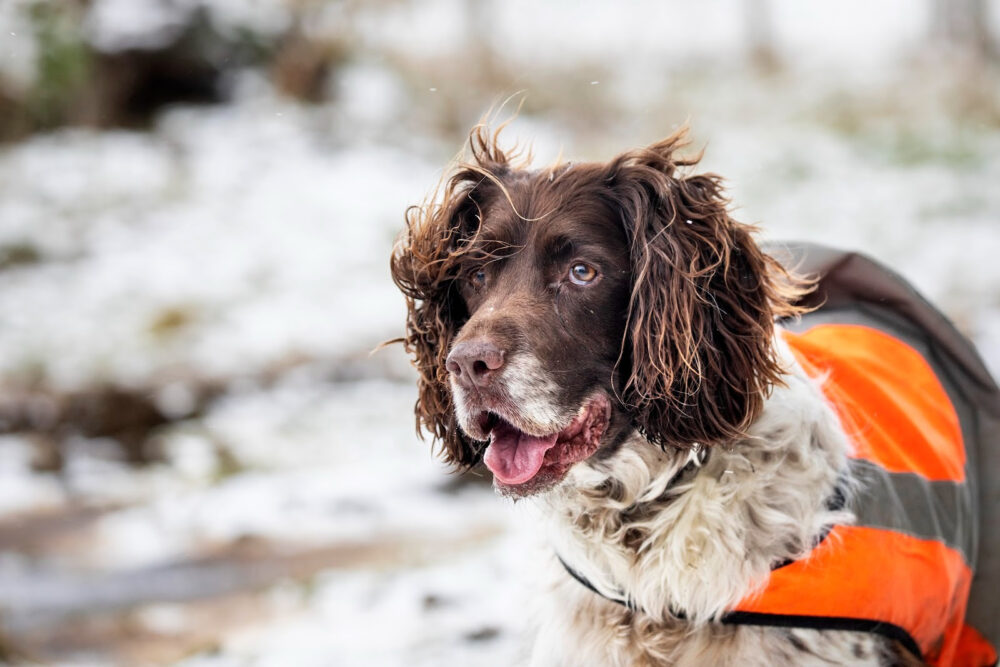
Some dogs, particularly those that are elderly or sickly, may benefit from a coat during cold walks.
Any clothing should fit comfortably and still allow dogs to move and behave normally, such as not restricting tail movement and allowing them to toilet easily.
‘Take care in the dark’
The RSPCA suggest reflective clothing for both owners and pets when out on walks in dark, icy conditions.
They also remind owners to keep dogs away from frozen ponds, lakes and rivers, and to check pets for compacted snow.
‘Store chemicals securely’
Antifreeze and rock salt can be toxic for pets, so store these securely and well out of reach. Contact a vet immediately if you think your pet may have ingested anything they shouldn’t.
‘Fish ponds’
Check fish ponds daily to ensure they are not fully frozen, as poisonous gases can build up under the ice.
Do not attempt to break the ice, as this can harm fish, but instead gently melt a hole by carefully placing a saucepan with hot water on the surface.
Don’t tip boiling water straight onto the pond, and never try to use antifreeze or salt to thaw as both of these pose significant risks to fish.
‘Horses and livestock’
Both horses and livestock need extra winter care, including adequate shelter, additional feed, access to dry standing areas and regular checks of water supplies to prevent ice.
Waterproof rugs may be needed in colder conditions, and hooves should be checked often for loose shoes or signs of problems such as mud fever.
Extra care and protection should be considered for young or vulnerable animals.
‘Look out for wildlife’

Wildlife may need extra support during cold spells. Keep bird baths ice-free, and clean feeders regularly. Check wood or leaf piles for hibernating animals, such as hedgehogs, frogs and mice, before lighting fires or bonfires.
Leaving out fresh water and food for birds is also encouraged, such as:
- Seeds and grains including oats and sunflower seeds
- cooked pasta or rice
- boiled potatoes, cheese, or uncooked, unsalted bacon rind
- raisins and sultanas
- net-free fat or suet balls
- apples, pears and soft fruits
- insects such as mealworms or waxworms.
‘Flooding’
If flooding is a risk in your area, you can stay informed by calling Floodline on 0845 988 1188 for information and flood warnings 24 hours a day, or visit the Environment’s Agency flood website.
Those in Wales should seek updates from Natural Resources Wales.
The RSPCA stress you should not put your own life or another’s life in danger to attempt an animal rescue, and should call them for help in an emergency.
More information on how to keep animals safe this winter can be found on the RSPCA website.
Support our Nation today
For the price of a cup of coffee a month you can help us create an independent, not-for-profit, national news service for the people of Wales, by the people of Wales.


