


Scientists question impact of badger vaccination on bovine TB in Wales
Mark Mansfield
Scientists have called for an overhaul of the way badgers are vaccinated against bovine tuberculosis in Wales, warning that major gaps in evidence make it difficult to establish whether the programme is helping to reduce the disease in cattle.
Researchers from Aberystwyth University, Cardiff University and the British Ecological Society’s Welsh Policy Group say vaccination needs to be better targeted, monitored and evaluated as part of efforts to eradicate bovine TB (bTB).
Badger vaccination already forms part of Wales’s wider bTB eradication programme, with research showing BCG vaccination can reduce the risk of infection, severity of disease and infectiousness among badgers.
Modelling has also suggested vaccination could help reduce transmission over time when sufficient numbers of badgers are reached and it is combined with effective controls in cattle.
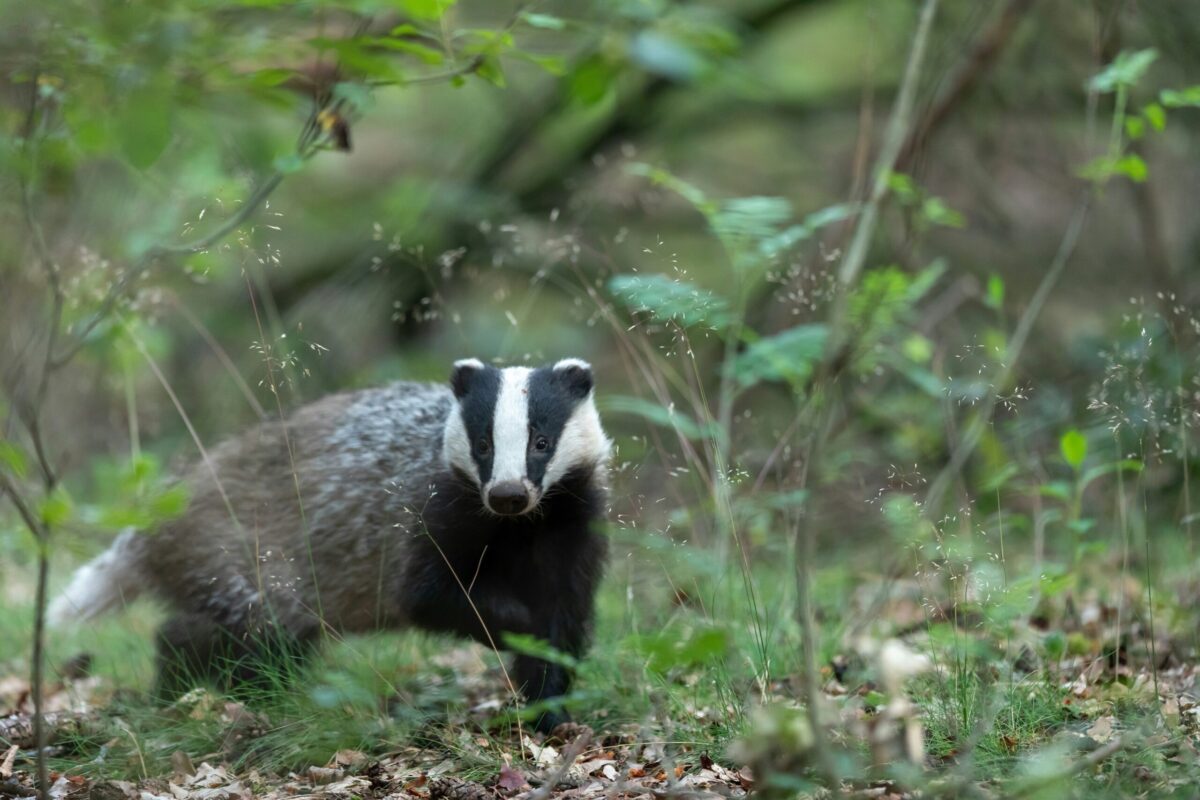
But a new policy brief says important questions remain over how many badgers are actually being vaccinated and what effect operational vaccination programmes are having on levels of the disease in cattle.
The researchers also say more needs to be done to build confidence in vaccination among farmers and veterinary professionals.
Dr Niall McKeown, a lecturer in Aberystwyth University’s Department of Life Sciences and vice chair of the British Ecological Society’s Welsh Policy Group, said: “Bovine tuberculosis remains one of the biggest animal health challenges facing Wales, with serious consequences for farmers, livestock and rural communities.
“Badger vaccination should not be presented as a stand-alone route to eradicating bovine tuberculosis. There is strong evidence that BCG vaccination protects badgers, but evidence that operational vaccination programmes reduce disease in cattle remains limited.
“Any cattle-level benefit is likely to depend on sustained and sufficiently extensive vaccination coverage alongside effective cattle controls.
“What Wales needs now is not simply more vaccination, but vaccination that is better targeted, measured and evaluated.
“By combining non-invasive genetic monitoring with sett surveys, camera traps and movement data, we can estimate local badger abundance, verify how much of the population is being reached and identify important gaps in coverage.
“Those coverage data should then be linked to multi-year measures of cattle outcomes, including herd incidence, breakdown duration and recurrence.
“Together with genuine co-design involving farmers and veterinarians, this would allow Wales to distinguish inadequate delivery from a genuinely limited intervention effect and demonstrate, rather than assume, the contribution that badger vaccination can make to the wider bTB eradication programme.”
Priorities
The policy brief sets out three priorities for improving the programme.
Researchers want better estimates of badger populations and vaccination coverage using methods including sett surveys, camera traps, GPS tracking and genetic analysis.
They also want long-term studies comparing cattle disease outcomes in areas with high levels of badger vaccination with similar areas where vaccination has not taken place.
The third recommendation is greater involvement of farmers and veterinary professionals, including clearer communication, locally relevant evidence and more opportunities for them to contribute to the programme.
The authors say this would allow policymakers to establish where vaccination is working, identify areas where too few badgers are being reached and adapt disease-control measures accordingly.
They stress, however, that vaccination should not be regarded as a solution on its own.
Instead, they say it should remain part of a wider approach incorporating cattle testing, movement controls, disease surveillance and improved farm biosecurity.
Core pillars
The Welsh Government said: “We are refreshing our approach to eradicating bovine TB in Wales, focused on three core pillars: cattle, people and wildlife. This will be evidence-based and science-led, informed by advice from the Programme Board and Technical Advisory Group, while ensuring value for money is central to decision-making.”
The policy brief was produced by the British Ecological Society’s Welsh Policy Group to contribute to discussions over the future of bovine TB control in Wales.
Support our Nation today
For the price of a cup of coffee a month you can help us create an independent, not-for-profit, national news service for the people of Wales, by the people of Wales.
Get more trusted Welsh news
Choose Nation.Cymru as a preferred source in Google News to see more of our journalism.



Unfortunately, there is no evidence that badger vaccination works. It’s just wishful thinking. There were some micro-trails conducted in pockets of isolated badger populations most of which were inconclusive. Large scale vaccination has proved to be ineffective. A badger has to be trapped to be vaccinated and some badgers are trap-attracted so the same badger vaccinated many times to no additional effect and some badgers are trap-averse so never get vaccinated so end up being carriers. Immunity is not inherited and the lifespan of a badger in the wild is usually about 3 years. Cross infection between badgers and cattle… Read more »
The moral and summary of this story:
Forget the badger.
Control the cow.
The badger was there before we shooed in the domesticated cattle.
Maybe before placing the cattle on a land check with the badger.
You cannot stop cattle making cow pats in the pasture. In these pats thrive beetles and worms. This is what badgers eat. So salivate onto the pasture. Then the bTB bacteria is re-ingested into the cattle when they graze. The only way to break this cross-infection cycle is to move cattle into intensive factory farms to be housed indoors. Is this what you advocate?
The ancestor to domestic cattle is the aurochs (wild cow) which roamed the landscape of Wales prior to domestication. bTB is not new, been around for thousands of years, it’s prevalence relates to the size of the badger population. Of course, wild deer also get infected with bTB and are carriers. In Richmond Park in London it’s the deer are culled. Yet the outraged of the Shoreditch coffee shops tell Wales to protect the badgers.