


Senedd criticises ‘nowhere near acceptable’ pace of cladding repairs
Chris Haines – ICNN Senedd reporter
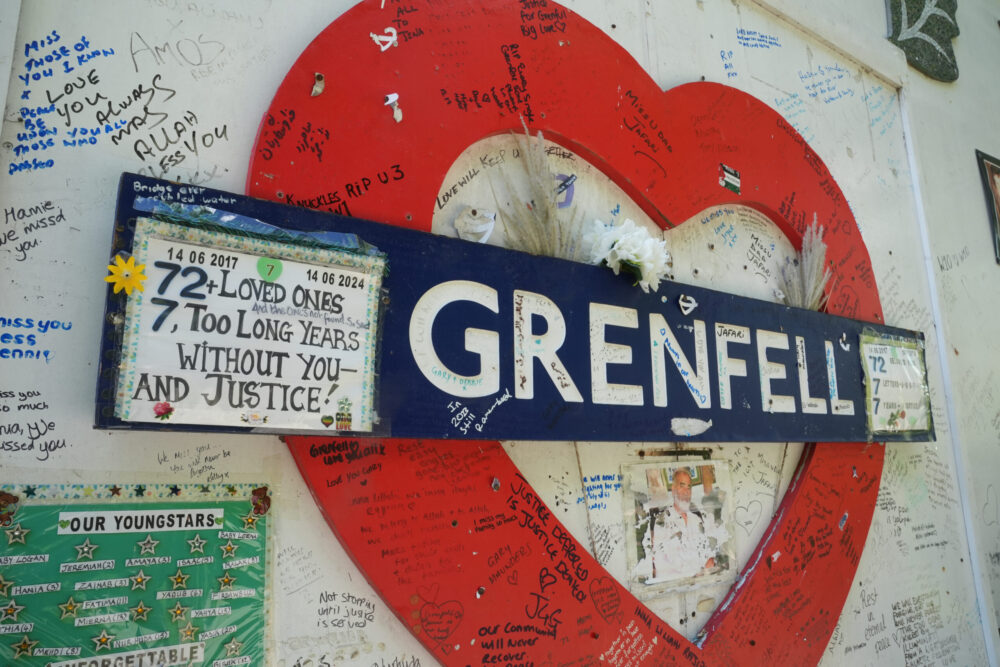
Developers have fully fixed only four out of 163 at-risk buildings in Wales more than eight years on from the Grenfell disaster, which claimed the lives of 72 people.
The warning came as the Senedd debated a building safety bill which excludes powers to enforce legally binding deadlines on developers to finish the work.
Labour’s John Griffiths chairs the Senedd’s housing committee which warned progress on remediation “has been far too slow and this should not be allowed to continue”.
Urging ministers to accelerate progress as the bill cleared the first hurdle in the Senedd, Mr Griffiths called for changes to include legally enforceable deadlines and penalties.
He told Senedd members: “It cannot be right that residents are left to continue the difficult battle to resolve safety issues through no fault of their own.”
Jane Dodds, the Liberal Democrats’ leader in Wales, warned innocent leaseholders remain trapped in homes they cannot sell and faced with costs they cannot bear.
She said: “We’ve got 163 buildings that developers are responsible for remediating. And then we hear that only four of those buildings have been completed. Four out of 163.
“The Welsh Government has stated remediation won’t cost leaseholders but it already is. It’s costing them their mental health. It’s costing them their emotional well-being.”
She added: “The commitment by developers to at least start works by the end of 2026 is not legally binding. It’s dependent on developer goodwill. And where has that goodwill gotten us? Well, four completed buildings out of 163.”
Ms Dodds stressed it is “absolutely vital” that leaseholders and tenants are not made to carry the costs of the new building safety system for Wales proposed under the bill.
‘Teeth’
She pleaded with ministers: “Give this legislation the teeth it needs to protect people right now and hold developers accountable. Because if we don’t, we could be back here in another eight years or, perish the thought, thinking that there could be another Grenfell.”
Plaid Cymru’s Mabon ap Gwynfor echoed her concerns, saying: “This pace is nowhere near acceptable. Residents have already waited too long.”
Rhys ab Owen, an independent, pointed to the plight of constituents living only a stone’s throw away from the Senedd who have lived in fear for nearly nine years.
He criticised an overreliance on future regulations and warned a lack of clear costings meant politicians were effectively being asked to vote for a “blank cheque”.
Mr ab Owen called for a cap on costs for leaseholders similar to that in the 2022 Act across the border, arguing: “English victims should not be enjoying better protection.”
‘Complexity’
Joel James, the Conservatives’ shadow housing secretary, warned the new building safety regime risks failing before it starts due to a lack of trained inspectors.
He told the Senedd: “The bill can look good on paper but it won’t amount to much if we don’t have trained, capable people to carry out the inspections and the enforcement.”
Mr James also expressed concerns that piling “complexity” onto thousands of lower-risk, category three buildings – those under 11 metres – could stifle housing supply.
Meanwhile, Mike Hedges, who chairs the Senedd’s legislation committee, criticised the “sheer extent” of powers being handed to ministers rather than set out in the bill.
He warned these ‘Henry VIII powers’ allow the Welsh Government to rewrite laws without full scrutiny, placing the “balance of power inappropriately in favour of the executive”.
‘Devastating’
Jayne Bryant, Wales’ housing secretary, acknowledged leaseholders’ frustrations about the pace of remediation but she insisted the bill was not the right place to fix historic defects.
She said: “I must be clear: amending this bill would not deliver the programme more quickly.” However, the minister pledged to “continue to identify ways of unblocking barriers and speeding up the pace of remediation”.
Ms Bryant rejected calls to exempt category three buildings from the rules, arguing evidence shows they have higher rates of fire casualties than purpose-built blocks. “Watering down or dropping the requirement for these buildings would be perverse,” she said.
She told the Senedd: “The Grenfell Tower tragedy is a poignant and devastating reminder of the necessity of getting building safety right. Sadly, recent events in Hong Kong have served to underline the potential terrible results of external fire spread.”
Following Tuesday’s (December 9) stage-one debate, Senedd members supported the general principles of the bill which now moves onto the amending stages.
Support our Nation today
For the price of a cup of coffee a month you can help us create an independent, not-for-profit, national news service for the people of Wales, by the people of Wales.



It’s always the most vulnerable in society that suffer, where those manufacturers and ministers in government who gave the greenlight to dangerous products used to clad social housing are never made culpable for their actions. They literally get away with murder.
Another Grenfell could happen and not one person would face any consequences again.