


Senior headteacher blames social media for rise in school exclusions
Twm Owen, Local Democracy Reporter
Social media and smart phones have been blamed by a senior headteacher for a rise in bad behaviour in schools leading to rising exclusions.
Temporary or fixed term suspensions or exclusions as well as permanent exclusions, when pupils are expelled from school, have been increasing across Gwent and Wales in recent years.
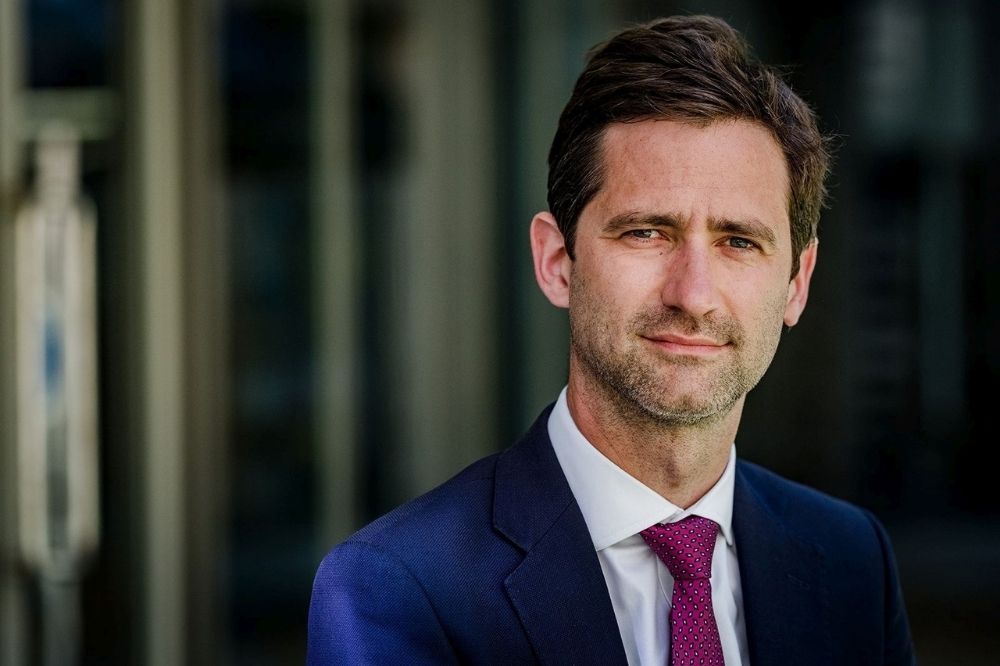
Hugo Hutchison, headteacher of Monmouth Comprehensive School, told a council committee bad behaviour has been increasing and is reflected in the increase in exclusion across both primary and secondary schools in Monmouthshire.
He said: “There has been a change in the last few years, post-pandemic but also the last 10 years more widely, in behaviour and is directly linked to societal change like social media and the prevalence of mobile phones.
“One in four five to seven-year-olds has their own smart phone and children are spending hours and hours on social media a day.”
The longest serving headteacher of Monmouthshire council’s four secondary schools also said there is a “significant element” of parents who are “disengaged” with schools or consider schools to be solely responsible for a child’s behaviour: “It can be incredibly difficult to get them (the parents) to be engaged.”
He said a child with full attendance only spends 11 per cent of the calendar year in school.
Mr Hutchison also told the council’s scrutiny committee the county’s 34 primary and secondaries have an agreed “smartphone strategy” which asks parents not to give their children a smartphone until they are 14 which is year 10 of comprehensive school.
“We ask very strongly of all parents not to give a smartphone until their child is in year 10. We’d previously been a bit timid. But we’ve had positive feedback from parents they say ‘thank you for not making us feel we are alone in not wanting our 10-year-old to have unlimited access to all of the internet’.”
Higher number of exclusions
A report for the committee showed during the 2024/25 academic year, which ended in July, use of fixed term exclusions by schools were higher than in the previous two years.
The council records individual “instances”, which are exclusions of between one to five days, and total number of days lost. The total number of days lost, across both primary and secondary, rose from 1,317.25 in 20022/23 to 3,434.5 last year.
Across the past academic year 578 pupils were excluded from Monmouthshire schools with 95 of those being primary pupils and 483 suspended from secondaries.
There was also an increased in pupils receiving repeat exclusions with 343, which was 59 per cent of those excluded and a split of 285 between secondary and 58 primary pupils. The report said “nearly all exclusions”, 97 per cent, were for five days or fewer, with an average length of 1.5 days.
The committee was told the trend is the same across Gwent and Wales but Wales wide figures for the 2024/25 year aren’t yet available. Morwenna Wagstaff, the council’s head of inclusion, said the trend for the 2025 autumn term, for September to December, is exclusions are decreasing.
Permanent exclusions
Incidents where the threshold for a permanent exclusion had been met also increased “significantly” from 2022/23 to 2024/25.
In the last school year the figure stood at 23, up from 10 in 2022/23 – with the figure from primary schools jumping from one to nine over that period – however no pupils were permanently excluded as all exclusions were “rescinded” due to the use of interventions such as moving schools or other support provided by the council.
Mr Hutchison however warned councillors against falling into the “trap of low numbers good, high numbers bad.”
He said a significant number of repeat fixed term exclusions could be used to avoid a permanent exclusion and said: “It may be you are trying to keep a hold on that student rather than give up.”
The head also said some “elements of the education sector” had been opposed in principle to permanent exclusions but he felt that has changed due to behaviour since the pandemic, “a friction in relationships between home and school” and he said “concerning behaviour” in schools has increased across the UK.
“Maybe 10 years ago you’d have a number of schools that aimed to have zero exclusions. That led to exclusions being hidden away, or illegal exclusions, or there was passive exclusions where students didn’t want to go to school as they were scared, they would be intimidated or harmed by students who knew there was no consequence to their behaviour.”
Mr Hutchison also stressed the importance of schools having good relationships with parents, including meetings when pupils are excluded, and the school calling and speaking with them rather than relying on email.
He also reminded councillors: “For the vast majority of students in our schools they have never been excluded.”
Support our Nation today
For the price of a cup of coffee a month you can help us create an independent, not-for-profit, national news service for the people of Wales, by the people of Wales.



Earlier this week my Dad went into a Swansea shop to buy a birthday card and he paid. The shop posted on an unregulated website a picture of him and claimed that he had not paid for other items; his apartments manager saw the post and the post was removed after a call which confirmed he had not taken the other items. This is not an acceptable way to treat an 80 year old. In 1990s Monmouthshire everything was sorted by staff. A country club outside Usk was not treating its’ staff well, so before the coaches arrived for a… Read more »