


Solar farm cable route raises concerns over possible damage to Roman remains
Dale Spridgeon, Local Democracy Reporter
Plans for a 2.5km underground electrical cable linked to a solar farm in have raised concerns over potential damage to archaeological remains and wildlife habitats.
The Isle of Anglesey County Council is to consider a full application for the laying of cables in connection with Parc Solar Traffwll on land at Llanfihangel yn Nhowyn on Wednesday, October 7.
It is for the installation of electrical cables within a trench that will measure between 40cm and 70cm wide and approximately one meter in depth.
The application has been referred to the planning and orders committee by councillor Neville Evans.
The proposed development is associated with the 30-40MW Parc Traffwll solar farm approved in 2023 by a Welsh Minister under Developments of National Significance (DNS) rules.
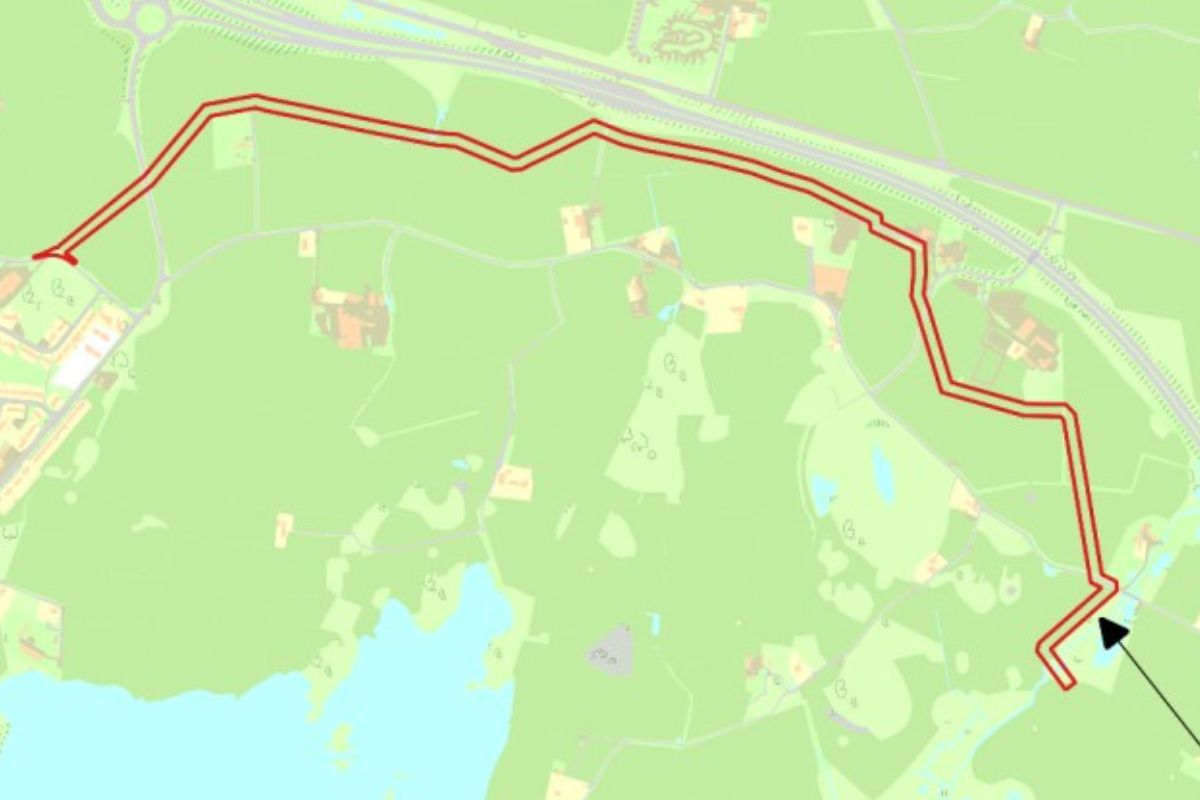
The proposed cable route runs from the northern outskirts of Llanfhangel yn Nhowyn east towards the southern edge of Bryngwran. The fields through which the route runs are directly south of the A55. The Afon Crigyll is located at the eastern end of the off-road cable route.
The route will also cross three sections of highway including Minffordd Road, ‘Lon Cymunod’ and ‘Lon Pont Cymunod’.
An objection has been raised by the Bryngwran Community Council, who “agreed to object to the proposal on the grounds that the proposed cable route passes through areas of known or potential archaeological interest, and that insufficient archaeological assessment has been undertaken to demonstrate that buried heritage assets would not be adversely affected.”
The objection continued: “Concerns are also raised regarding the potential ecological impacts of the development, including disturbance to habitats used by wildlife and protected species.
“They consider that excavation and ground-works could damage root systems, disrupt ecological corridors and fragment habitats, resulting in adverse effects on biodiversity and species movement.”
Members of the public had also raised concerns over the proposed cable route crossing a number of existing water mains serving nearby properties, which are not identified within the application documents.
Concerns were also raised regarding “potential damage” during construction works and the “need for appropriate safeguards and repair” arrangements.
There were also worries that “insufficient consideration” was given to the archaeological potential of the site, particularly given previous archaeological discoveries in the wider A55 corridor.
Fears of ecological impacts, included the “potential effects on breeding birds”.
There was also an objection to the amended cable route, with concerns raised that it “differs from the route considered as part of the original consent”.
Disruption
Proposed highway crossing works and the “potential disruption” to access, vehicle movements and business operations during normal operating hours were also raised.
The application proposed “a revised off-road cable route across agricultural land, made possible by the applicant securing additional land rights.
“The revised route is intended to reduce the length of cabling within the adopted highway, minimise disruption to local roads and highway users, and deliver the same grid connection function with reduced
construction impacts.”
Practical and proportionate
Heneb, the Trust for Welsh Archaeology has been consulted on the application. It was “of the view that for most of the cable route, archaeological impacts are expected to be limited, and archaeological monitoring and recording during topsoil stripping and trench excavation is considered a practical and proportionate form of mitigation.”
“However, a more sensitive section of the route is identified at Caer Elen Farm, where historic mapping records a possible Roman camp and associated features, although no surface remains are now visible due to later disturbance.
“To address this risk, Heneb advises that a targeted archaeological trial trench (approximately 30m in length) should be undertaken in advance of construction to establish the presence, extent and significance of any remains.
“Depending on the findings, mitigation could range from no further action, through excavation and recording, to preservation in situ and potential route adjustment.”
Support our Nation today
For the price of a cup of coffee a month you can help us create an independent, not-for-profit, national news service for the people of Wales, by the people of Wales.
Get more trusted Welsh news
Choose Nation.Cymru as a preferred source in Google News to see more of our journalism.


