


Solicitor called court reporter he stalked his ‘sex slave’ in email, court hears
A solicitor called a court blogger that he stalked his “sex slave”, a court has heard.
Andrew Milne was convicted of stalking Daniel Cloake between March and August 2024 without fear or distress, including sending 120 emails, an unwanted gift, letters and attending the victim’s London address.
Mr Cloake runs a court reporting website called Mouse in Court which states he is a “blogger and news gatherer with a keen interest in law and open justice”.
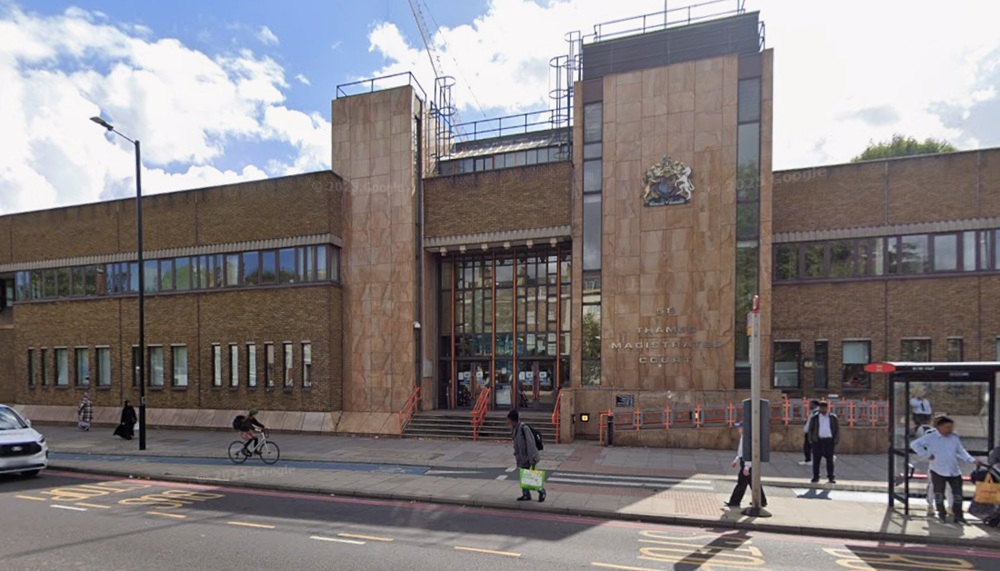
Thames Magistrates’ Court heard on Tuesday the pair originally met after Mr Cloake approached Milne at court.
The sentencing hearing was told Milne displayed “fixated and obsessive behaviour” towards Mr Cloake which culminated in him attending the victim’s address where he left a handwritten letter.
Addressing the defendant, District Judge Lisa Towell said more than 120 pieces of communication and a gift sent by the 63-year-old to Mr Cloake were “unwanted” and, as a solicitor, Milne had a duty to be “professional”.
“You made comments about him becoming your sex slave and hoping not to find a dead rodent, those are just examples – there were more,” she said.
“He was genuinely fearful of you. I have no doubt that your contact has had an ongoing impact on him,” she added.
The judge said Milne had shown “no remorse whatsoever”, adding: “You have shown no empathy or insight into how you made Mr Cloake feel.”
In a victim impact statement, read on Mr Cloake’s behalf by prosecutor Reem Khatib, the blogger said Milne’s messages included “homophobic and transphobic” content and the defendant said he would visit Mr Cloake’s house and “examine my mousehole”.
Ms Khatib said this comment “could be seen as threatening” and there was an email “which the crown say appears to be a veiled death threat”.
‘Disconcerting’
In the statement, Mr Cloake said it was “disconcerting” to know Milne was sat at home writing long emails to him and “monitoring” tweets he had posted.
“I continue to fear that he will contact my family, send me aggressive notes or come to my house,” he added.
Mitigating, Nathan Goldstein said Milne would be “seriously affected by these matters”, adding: “It goes without saying that this is going to form a very significant punishment in its own right.”
The defendant’s probation officer said there was a “low risk of reoffending”, Mr Goldstein said.
The judge sentenced Milne to a 24-month community order and ordered him to complete 300 hours of unpaid work and 20 rehabilitation activity days.
He must also pay Mr Cloake £850 in compensation as well as £650 in costs and a £114 victim surcharge.
The judge also imposed a seven-year restraining order meaning Milne must not contact Mr Cloake directly or indirectly or attend Mr Cloake’s address or anywhere he may be residing.
Mr Goldstein told the court Milne intends to appeal.
Sanctioned
Last month, the Solicitors Regulation Authority (SRA) sanctioned Milne following the conviction and said he may not act as a solicitor without the supervision of an approved person.
Louise Haigh, MP for Sheffield Heeley, previously called for the SRA to suspend Milne after his conviction, saying she had written to the regulator to “seek the immediate removal of his licence to practise”.
The SRA has been contacted for comment.
Milne, whose address is listed as a hotel in Pensarn, Abergele, North Wales, and whose firm Andrew Milne & Co is based in London, according to the SRA, spoke only to confirm his identity and to say he understood his sentence.
Support our Nation today
For the price of a cup of coffee a month you can help us create an independent, not-for-profit, national news service for the people of Wales, by the people of Wales.


