


Some of the rarest plants in Wales rediscovered after 20 years
Nation Cymru staff
Some of Wales’ rarest plants have been rediscovered after more than 20 years, thanks to a project examining how the country’s most vulnerable species manage to survive.
Using local experts and volunteers, the Botanical Society of Britain and Ireland’s Priority Plants in Wales Project surveyed Sites of Special Scientific Interest (SSSIs) in Wales during Phase One of the Project, which ran from 2024 to 2025, and refound 20 species that had not been recorded for more than 20 years.
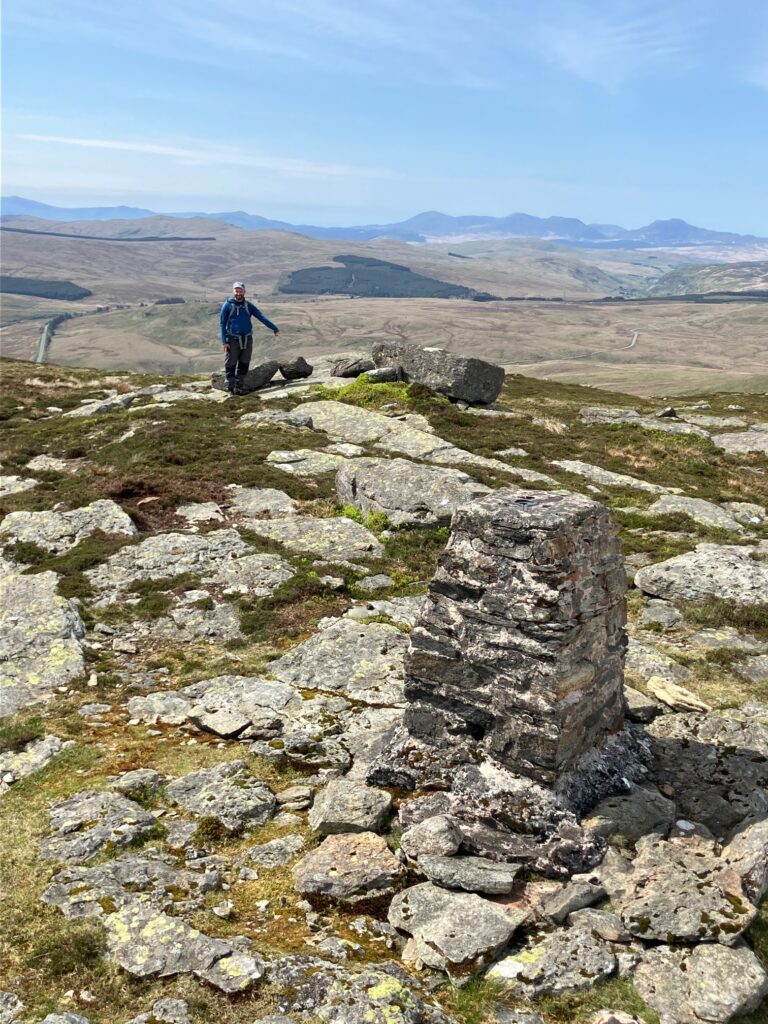
On Cadair Idris SSSI, Upland Eyebright Euphrasia frigida was discovered new to Wales and Welsh Eyebright Euphrasia cambrica was re-found after nearly 40 years.
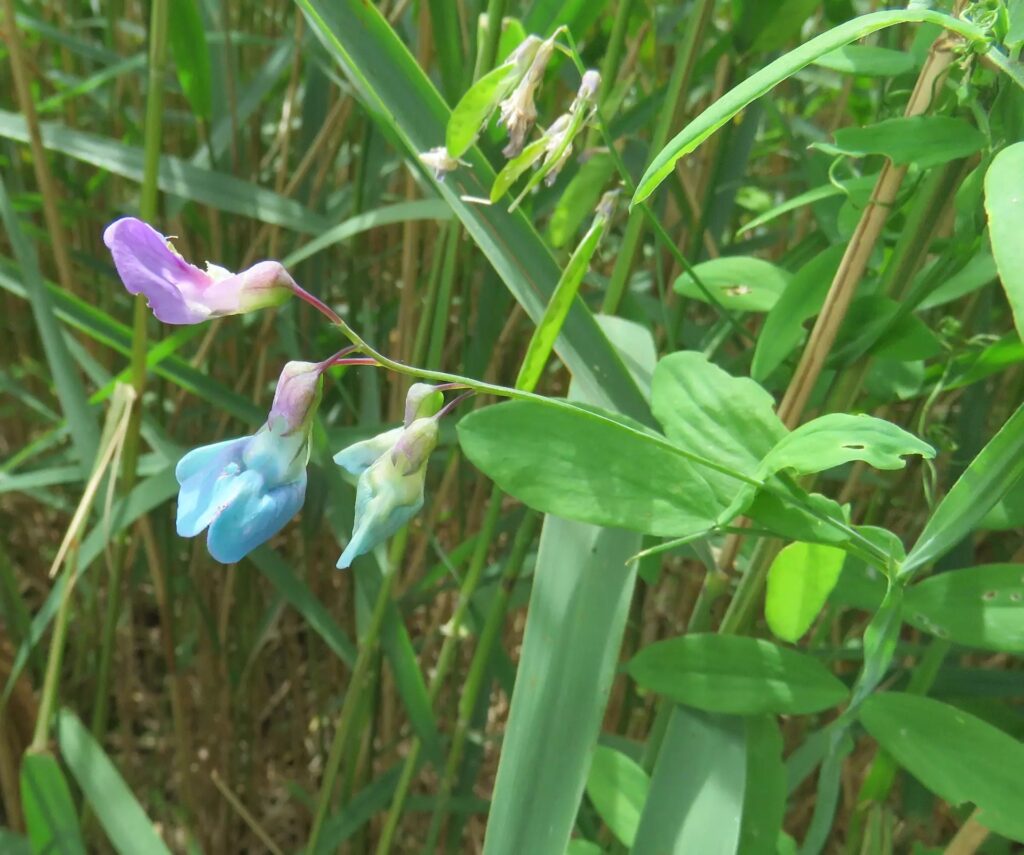
Marsh Pea Lathyrus palustris was re-found after 23 years at its only Pembrokeshire site (Milford Haven Waterway SSSI) and was also discovered at a new site in Cardiganshire.
Dwarf Willow Salix herbacea was re-found on Arenig Fach after 50 years and on Arenig Fawr and Y Llethr (Rhinog SSSI) after more than 20 years.
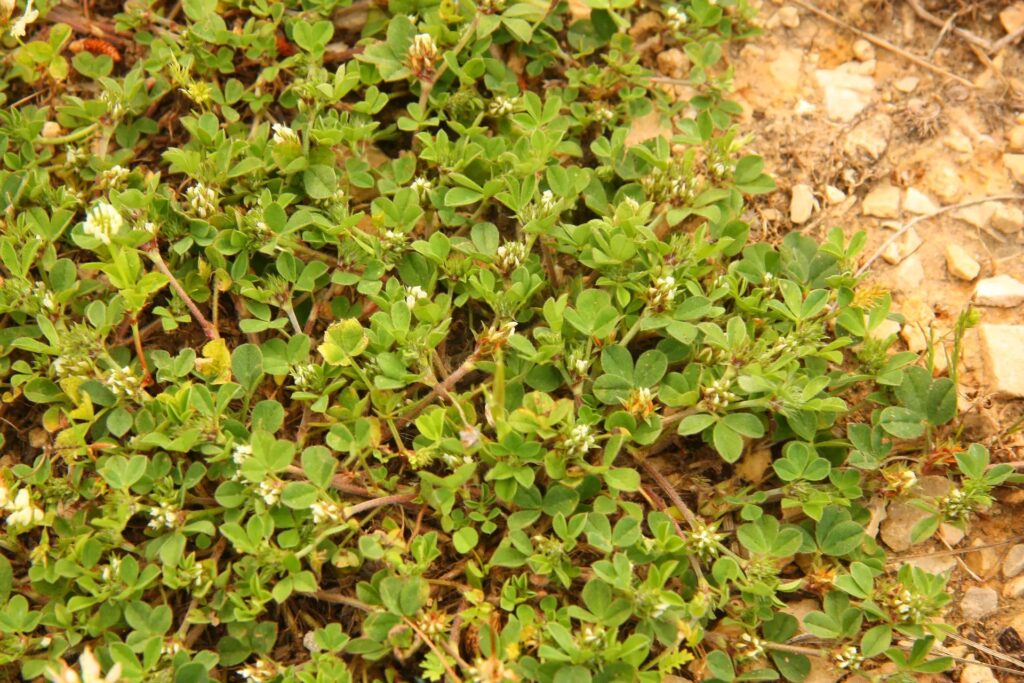
And Rough Clover Trifolium scabrum was found at Llanymynech Hill SSSI, a new record for this site and for the whole of Montgomeryshire.
The Project aimed to help improve the evidence for SSSIs in Wales, by focusing on the plant species for which the sites were designated, and to positively impact their future conservation.
If no records for those species have been submitted to the BSBI’s plant distribution database (one of the world’s largest such databases, with more than 60 million records) for the past twenty years, the project ased if this means those plants are no longer there, asking if those rare plants truly missing or are they waiting to be rediscovered.
The BSBI has just received funding for Phase Two of the Project, which will allow them to dig deeper into these questions, by looking at plants missing for the last 15 years – another 82 species that are integral to 68 further sites.
SSSIs cover about 12% of the land area of Wales, varying in size from entire mountain ranges to small single meadows, so this will be no small feat.
The Nature Networks Fund, delivered through the Heritage Fund on behalf of the Welsh Government, has confirmed funding to continue running the Project until 2029.
James Harding-Morris, BSBI Countries Manager, said: “The Priority Plants in Wales Project has shown just how valuable continued botanical recording can be.
“Some of these species had not been recorded for decades and were feared lost from sites where they are considered important features, so it has been incredibly exciting to rediscover plants like Marsh Pea, Dwarf Willow and Welsh Eyebright.
“At the same time, the project has helped identify species that remain genuinely missing, giving us a much clearer picture of where future survey and conservation effort should be focused.
“We’re delighted that support from the Nature Networks Fund will allow us to continue this work and build a better understanding of the status of Wales’ rarest plants.”
Support our Nation today
For the price of a cup of coffee a month you can help us create an independent, not-for-profit, national news service for the people of Wales, by the people of Wales.
Get more trusted Welsh news
Choose Nation.Cymru as a preferred source in Google News to see more of our journalism.


