

Study demonstrates significance of Welsh farmland for bird diversity
Recordings of birds detected on farmland across Wales could be used to help reverse a decline in species and numbers.
Populations of farmland birds have diminished in recent decades but a Farming Connect-led study involving 14 upland and lowland farms with a diversity of farming systems has identified 69 different species – 16 red-listed by the International Union for Conservation of Nature (IUCN).
The researchers say that types of species detected can indicate the effectiveness of certain habitats and inform how species diversity and numbers could be increased by creating environments suited to different bird types.
If low numbers of insect-feeding birds are present, for example, it suggests the habitats present are not supporting insects.
This could be improved by planting flower-rich margins or allowing areas of wet scrub to develop, says Farming Connect Biodiversity Specialist Lynfa Davies, who oversaw the study.
“This would be an area to focus on if increasing bird species diversity is an aim for the farm,’’ she explains.
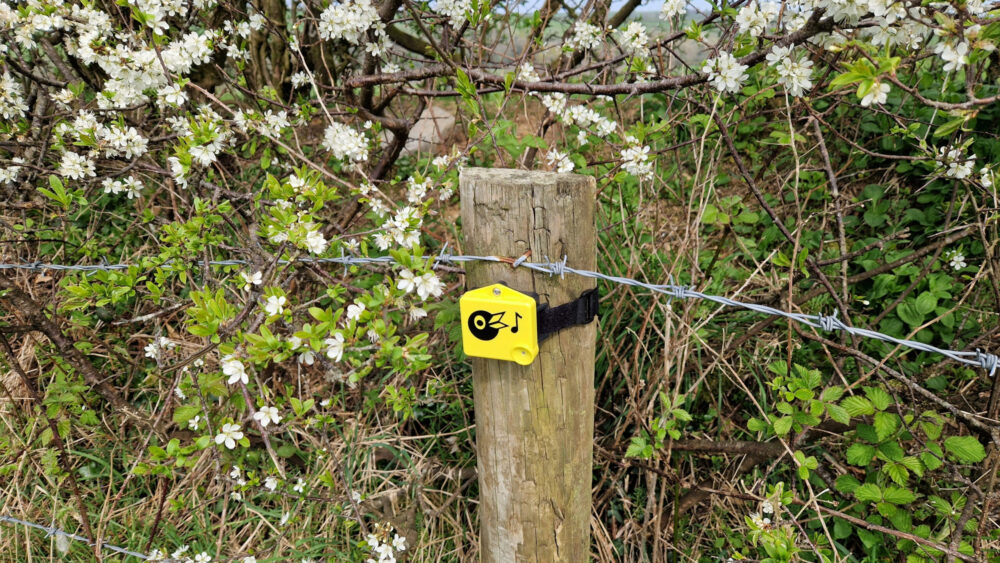
The study took place over three months in 2025, during the April, May and June breeding season, as it relied on a specialist recording device with sensors that detects the presence of birds from their singing – many birds are very vocal when they are breeding.
Two of these devices, supplied by Chirrup Nature Services, were sited in different habitat types on each farm and set to record for three hours during the dawn chorus – eight dairy and six beef and sheep farms, one with poultry too.
The recordings were analysed by the supplier using artificial intelligence software and the findings shared with the farmers involved.
Sixty-nine species were recorded and diversity of populations varied from farm to farm – one had 46 species present.
Lynfa says 16 of those detected overall are red listed, categorised as threatened by the IUCN, including the linnet, tree pipit, curlew, green finch, ring ouzel and wood warbler.
“The presence of these birds highlights the importance of farmland and the role it plays in providing valuable habitats for them,’’ she says.
The study delved further into what is known as “trophic niches’’, a system used to explain how a species interacts with the environment by considering its feeding habits, its interaction with other species and its position in the food web.
One of the trophic niches picked up in this study was vertivores, says Lynfa.
“These are top predators, birds of prey that catch other species for their food source. Their presence indicates that the habitats are functioning and providing food, shelter and nest sites for many other species of birds, mammals and invertebrates.’’
Others identified included omnivores, aquatic herbivores and insectivores.
The findings of the study could inform how land is managed going forward, says Lynfa, perhaps encouraging wider adoption of technology on farms to monitor biodiversity on a landscape scale and to create networks of people and nature.
Support our Nation today
For the price of a cup of coffee a month you can help us create an independent, not-for-profit, national news service for the people of Wales, by the people of Wales.


