


Support grows for Severn water scheme
Elgan Hearn Local Democracy Reporter
Welshpool and the surrounding area could benefit from schemes that lessen the flood impact of the River Severn.
At a meeting of Powys County Council’s Liberal Democrat/Labour Cabinet on Tuesday, November 18, senior councillors received an update on the work of the Severn Valley Water Management Scheme (SVWMS).
Powys council is working with Shropshire council and the Environment Agency in England, and the UK Government has already provided £10 million for the scheme.
Cabinet member for Climate Change and Environmental Matters, Cllr Jackie Charlton (Liberal Democrat – Llangattock and Llangynidr) said: “This report seeks support for the progression of a programme of public consultation to shape the development for a strategy for managing water in the upper Severn catchment.
“We’re keen that this proposal goes as wide as it possibly can, there’s a consultation document that’s easy to read and will encourage people to have a say.”
She added that the consultation will provide feedback on the work done so far and shape an “emerging plan of measures” that can be used to manage “present day and future risks.”
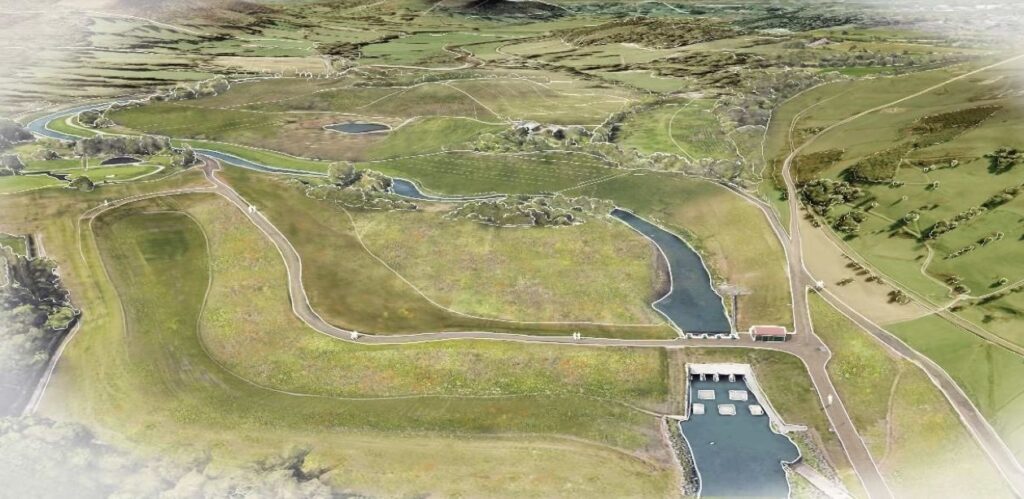
Cllr Charlton said: “The plan will show how nature-based solutions and temporary flood water storage structures could be used to hold water back during flood events reducing subsequent damage.”
She added that it could also help during drought and learning from the scheme could be used in similar projects in other parts of the country.
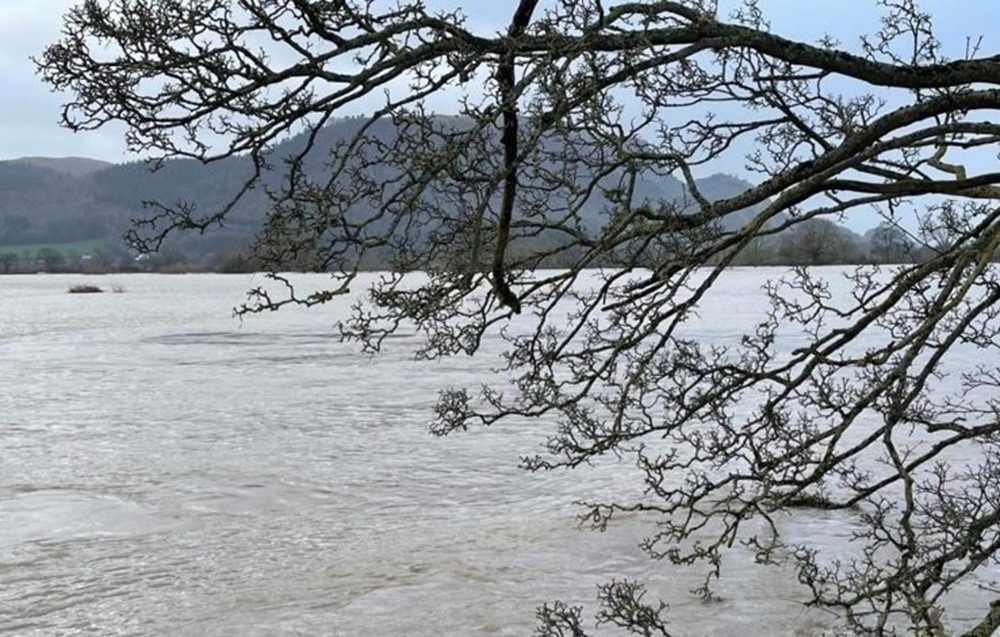
Adult Social Services portfolio holder Cllr Pete Roberts (Liberal Democrat – Llandrindod South) pointed out that north-east Powys had suffered flooding issues over the weekend, especially the Severn and its tributaries around Welshpool.
He added that problems had also been seen in the rivers Vyrnwy, Cain and Lugg catchment areas.
Cllr Roberts said: “This scheme will have a significant impact on mitigating flood risk and reduce some of the travel chaos that we saw last weekend.
“It’s important that residents realise this is a scheme that will benefit Powys and not just downriver which doesn’t always come across in the media.”
Cabinet member for Legal and Regulatory Services Cllr Richard Church (Liberal Democrat – Welshpool Castle) said: “The problems with flooding in Welshpool is we end up effectively cut off.
“That has happened many times last winter.
“What we do in terms of land management in our upland areas has a big impact upon what happens down here in Welshpool.
“If we can hold back the worst of the water coming down from the mountains through peatland restoration and management through the small brooks and streams, then that will have a big impact for us.
“We avoid catastrophes, keep people and the economy moving around here and that’s why I welcome the approach this has taken.”
Cabinet unanimously voted to go ahead with the consultation.
Recent modelling for the SVWMS shows that, during extreme wet weather, the area could need to manage over 100 million cubic metres of flood water.
Independent analysis commissioned by the SVWMS also suggests that a single major flood event in the upper Severn catchment area could result in substantial risk to infrastructure, businesses and the local community.
The costs could range from £125 million rising to as much as £231 million by 2050 as climate risks intensify.
Support our Nation today
For the price of a cup of coffee a month you can help us create an independent, not-for-profit, national news service for the people of Wales, by the people of Wales.
Get more trusted Welsh news
Choose Nation.Cymru as a preferred source in Google News to see more of our journalism.




yeah, the climate is sat in the corner giggling at this.