


Survey launched to study human impact on wintering wading birds
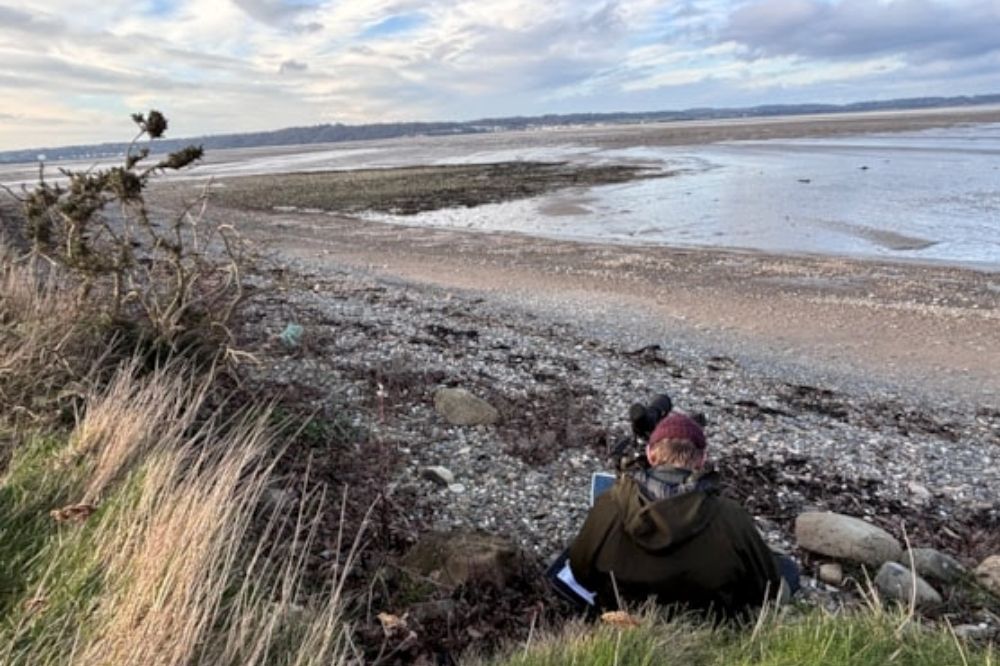
A survey has been completed at Traeth Lafan to improve understanding of how human activity may be disturbing wintering wading birds at one of Wales’s most important coastal wildlife sites.
The work is aimed at exploring why species such as oystercatcher and curlew have used their traditional winter roosts less often in recent years.
The survey work was facilitated and coordinated by Natural Resources Wales. A contractor carried out field observations to record how often birds used the roost, how often they were disturbed, and which activities were most likely to trigger disturbance.
The fieldwork also included visitor surveys at Morfa Aber and Aber Ogwen car parks, together with vantage‑point observations overlooking the intertidal area.
The evidence gathered through the survey will help identify which activities pose the greatest risks to sensitive species. It will guide future decisions habitat management and support wider efforts to protect the wintering bird populations that rely on Traeth Lafan.
Dewi Evans, Specialist Officer on Intertidal Management for Natural Resources Wales said:
“Traeth Lafan is home to some of Wales’s most treasured wintering birds, including oystercatcher, curlew and other species that are part of our natural heritage.
“This survey will strengthen our understanding of the pressures they face, and the evidence collected will help us make decisions that safeguard this special place for the future.”
The work was funded through the Nature Networks Programme, a Welsh Government funded programme that supports action to strengthen ecological resilience and improve the condition of protected sites across Wales.
Support our Nation today
For the price of a cup of coffee a month you can help us create an independent, not-for-profit, national news service for the people of Wales, by the people of Wales.



Would have thought the plight of the oystercatcher was obvious. When the tide comes in they nest in the shoreline pebbles, are monogamous and breed but once a year. If the beach is full of tourists they can’t. Perhaps the surveys of people at Morfa Aber and Aber Ogwen car parks should start with the question “Are you here to destroy the habitat of the local wildlife?”