


Tata warns new UK steel import rules fail to protect Port Talbot
Mark Mansfield
Tata Steel has warned that new UK measures to curb cheap steel imports do not go far enough to protect domestic production, raising fresh concerns over the future competitiveness of its operations in Port Talbot.
The company said the UK Government’s final steel import quota framework, announced on Thursday, still allows too much overseas steel into the UK market and could undermine investment, jobs and long-term growth in the British steel industry.
The warning comes despite ministers unveiling tougher safeguards aimed at shielding UK producers from a global glut of cheap steel, particularly from China.
From 1 July, tariff-free steel imports into the UK will be cut by around half, while tariffs on imports exceeding the quotas will double to 50%.
The Government said the measures are intended to protect domestic steelmaking while ensuring manufacturers can still access specialist products not made in Britain.
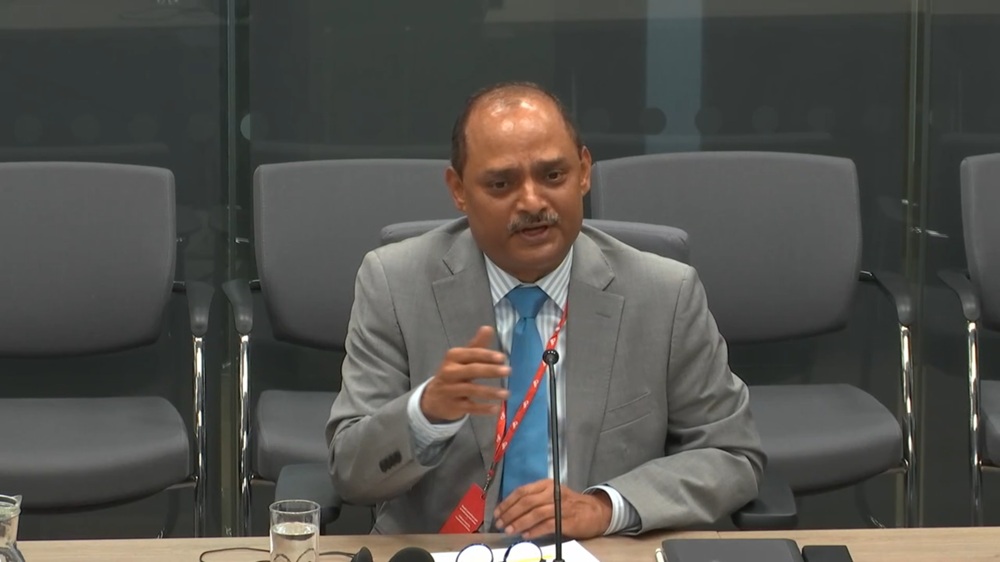
However, Tata Steel UK chief executive Rajesh Nair said the revised quotas still failed to reflect the realities facing British steelmakers.
“A sustainable domestic steel industry depends on a policy framework that supports investment, protects jobs and provides a level playing field for UK steel producers,” he said.
“We do not believe the final quota levels published today reflect UK market conditions or the pressures facing the domestic steel industry.”
Mr Nair said several categories of imported steel would still be allowed into the UK in significant volumes, leaving strategically important parts of the domestic market exposed to overseas competition.
He warned that if the Government wanted UK producers to supply half of the country’s steel demand in future, stronger protection would be needed.
“We are disappointed by elements of the final framework announced today and we are very concerned about the implications for the long-term competitiveness, sustainability, growth and future investment outlook for the UK steel sector,” he said.
The intervention is significant for Wales, where Tata is in the middle of a major transformation of its Port Talbot steelworks.
The company closed its blast furnaces in 2024, resulting in around 2,000 job losses, and is replacing them with a new electric arc furnace backed by £500 million of UK Government funding. The project is expected to produce lower-carbon steel and secure the long-term future of steelmaking at the site.
However, the transition has not been without difficulties. Earlier this month, unions called on ministers to intervene after Tata revealed that delays to its electricity grid connection could push back completion of the new furnace by up to a year.
Specialist steels
The Government has said the revised import quotas are designed to strike a balance between protecting UK steelmakers and ensuring manufacturers can continue sourcing specialist steels unavailable from domestic producers. It has also exempted 11 categories of steel products from the new tariff arrangements where there is no UK alternative.
Tata said it recognised the work ministers had undertaken in developing the new framework but urged them to continue working with the industry and reconsider parts of the final arrangements.
“We expect the Government to reconsider aspects of the framework and continue working with the UK steel sector to ensure a level playing field that supports domestic production, protects employment and strengthens the wider UK manufacturing supply chain,” Mr Nair said.
Support our Nation today
For the price of a cup of coffee a month you can help us create an independent, not-for-profit, national news service for the people of Wales, by the people of Wales.
Get more trusted Welsh news
Choose Nation.Cymru as a preferred source in Google News to see more of our journalism.



please inform Mr Rajesh Nair, that imports are essential to the UK as the current incompetent UK manufactures cannot cope with demand
the measures introduce are going to harm UK industry, closures of smaller stockholders will be imminent, projects cancelled, ongoing projects rising in cost
TATA UK has a quota free exception of 500,000 tonnes a quarter , and where does this coil come from – TATA India, who would have guessed that!!!