


The path to valuing our wildlife
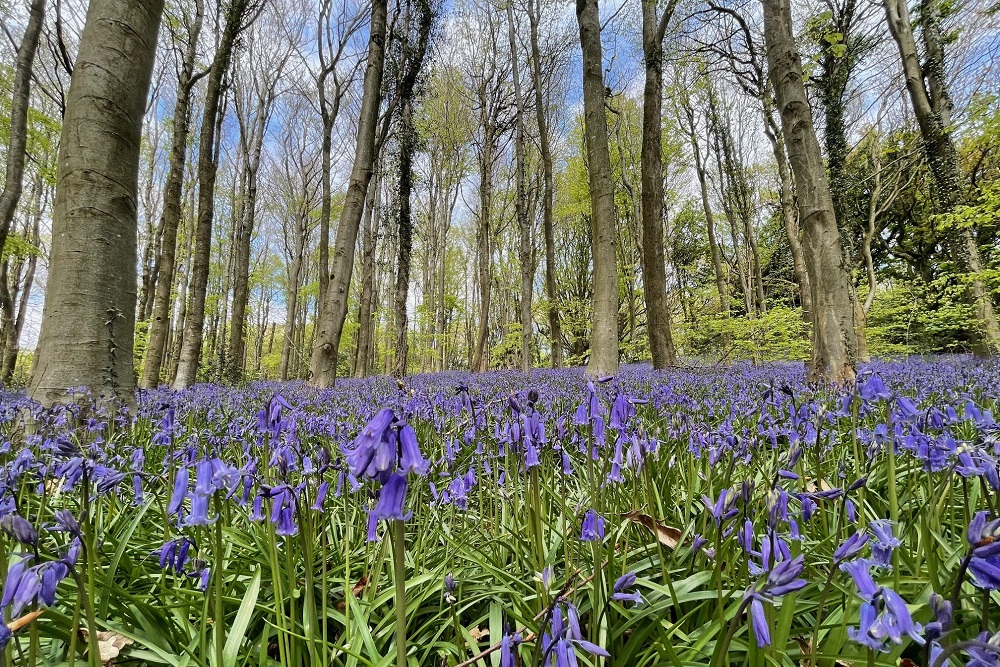
Jon Conradi, Wild Mosaic
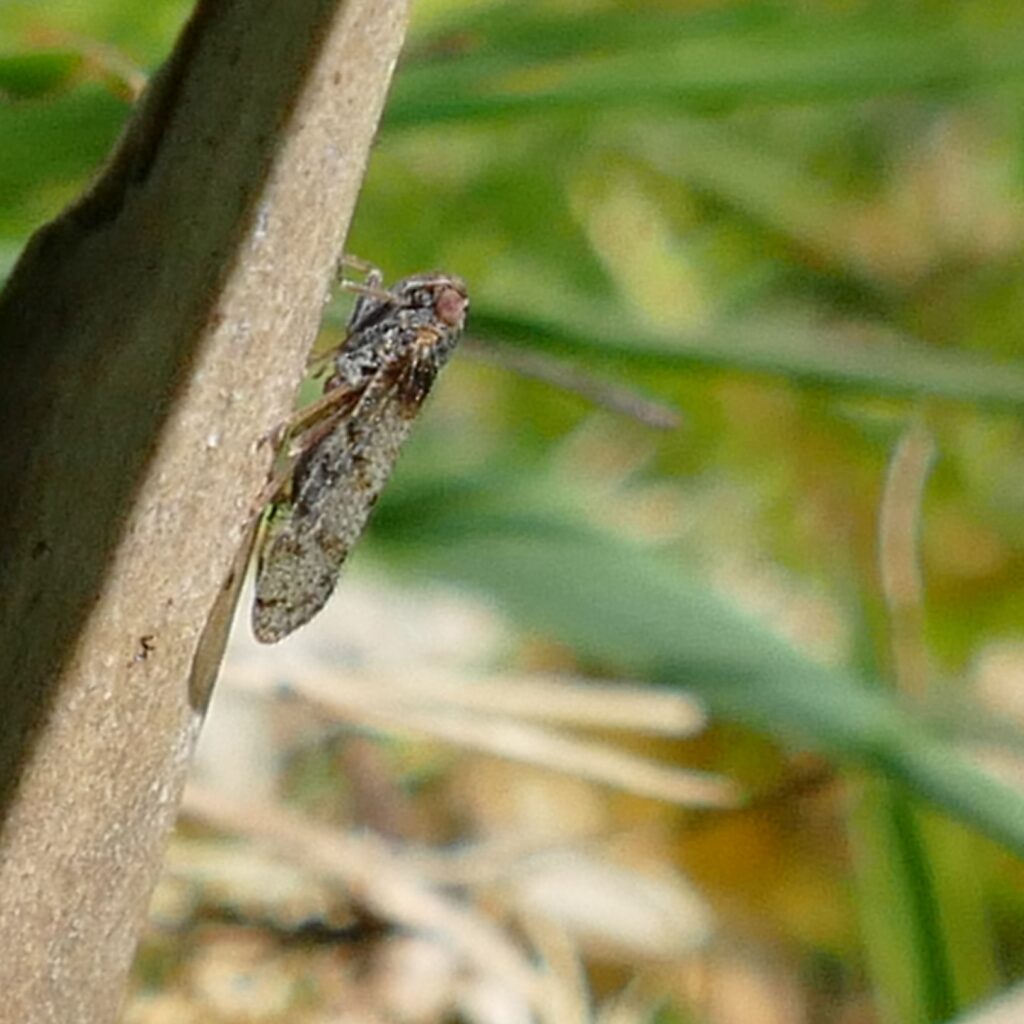
At the end of April I took a bad photo of a tiny bug resting on an old woody stalk in a field of long grass. This turned out to be the thousandth species recorded in the Wilder Pentwyn site being restored by Radnorshire Wildlife Trust. An achievement that is as much about the local community as it is about rewilding.
I came across my bug by accident whilst trying to get a photo of some resting St Mark’s flies. These flies are prolific. For a week. Typically swarming around the 25th April – St Mark’s day. This timing has been consistent for at least three hundred years – they were given the scientific name Bibio marci in 1758 by Linnaeus. A reminder that wildlife tends to use changes in light rather than changes in temperature as a trigger (photoperiodism).
We used to do this too. There is a long history of festivals based around the turning points of light. The equinoxes and solstices. I sometimes remember about these, but more often than not they drift past un-noticed amongst the cacophony of everyday life.
The bug turned out to be a Spotted Lacehopper (Tachycixius pilosus). Common across the UK.
But common doesn’t mean easy to find.
There are some quite elaborate ways to identify species nowadays. You can put up microphones and use Artificial Intelligence to identify species from their sounds. You can collect samples of air and water and send it off to a lab for traces of DNA. You can dig up soil and have it analysed for microorganisms – a square metre of healthy soil is likely to have ten times more microbes than there are people on earth.
This 1,000 was mostly done the old fashioned way. People walking through the land, stopping, watching, recording. This is the basis for how most ecological surveying is done. Professional and amateur observation.
Volunteers have been the main identifiers. People from the local area giving up their time to help. Some have a specialist interest, focusing on birds, or dragonflies. This could be professional expertise, a lifelong hobby or a more recent fascination. Others are particularly interested in the process of ecological restoration. Most are simply wildlife enthusiasts who enjoy discovering what is there.
And it’s enjoyable.
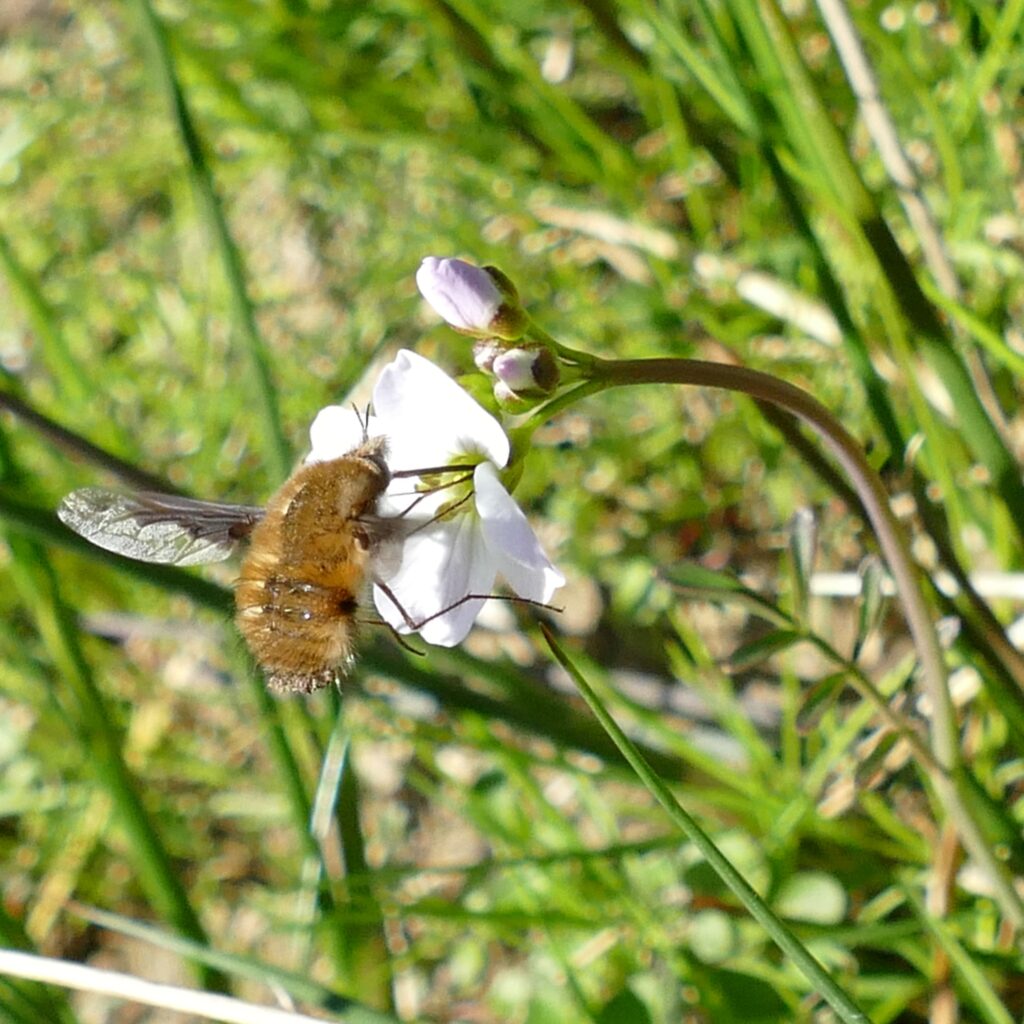
I spend hours at a time trying to stalk butterflies. Waiting for them to land, edging closer for a half decent photo. Then get distracted by a bee-fly drinking from a cuckoo flower. Which then leads me to notice the spider climbing up the stem. I try to get my settings on my camera right to get better focus and notice that I’m holding my breath.
You stop for a sandwich, surrounded by birdsong. Watching treecreepers and nuthatches looking for their own lunch.
There is a calm to simply being away from screens, billboard adverts and car horns. There is added joy in using your senses to notice and observe the natural environment, like we evolved to do over millions of years.
This first 1,000 species that we have found are mostly all pretty common. We’re identifying the first layer of life. That which has managed to survive the decimation of years of overgrazing.
This 1,000 represents the life that is also likely to be all around you, wherever you are. Even in urban areas, the parks, the cracks in the pavement, the solitary street trees and our farms. There is wildlife clinging on, waiting to re-emerge.
Some you notice regularly, the robins and magpies. The dandelions and oaks. Others are often there but more difficult to see. They may be more secretive and will spot you before you see them. They may be too small to easily notice. They may only emerge for one week a year.
In the next 1,000 we will start to see more signs of recovery. The species that are quick to respond to newly created habitat, the greater variety of flowers and plants. The mosaic of life starting to return and re-emerge.
Value
It can be difficult to know how to value land that is rich in wildlife. There is a concept in conservation called ‘Willingness to Pay’.
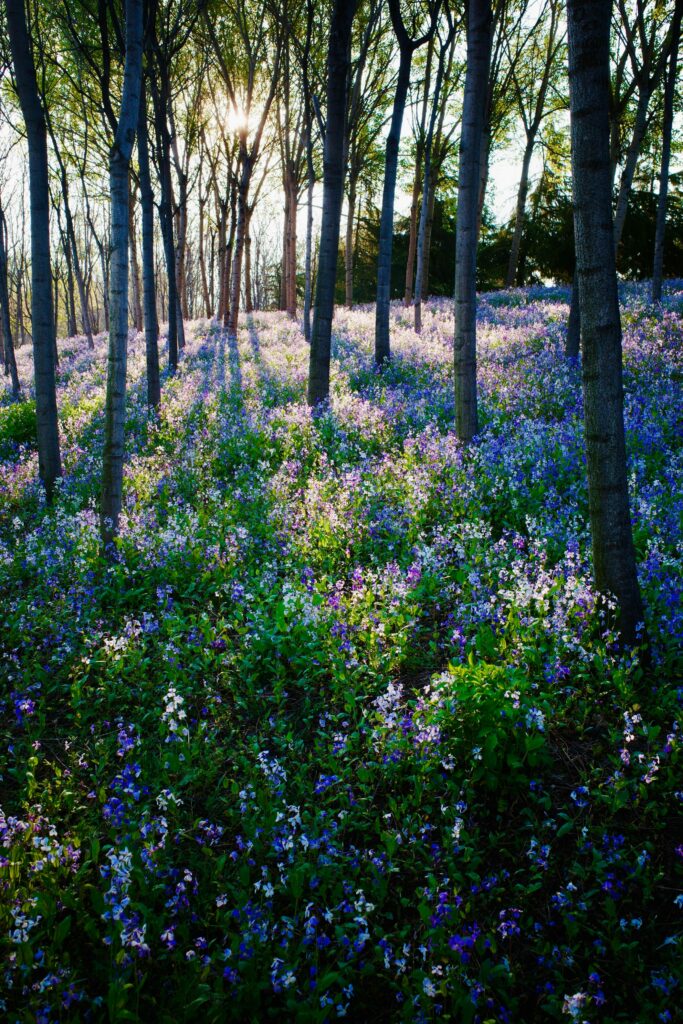
Imagine a woodland edge, carpeted with bluebells, buzzing with bees. You can hear birdsong and a woodpecker. You catch a glimpse of a stoat running over an old log. A hare sits up, looks at you, and then bounds off.
How can you value this?
One answer is you ask people. How much would they be willing to pay to keep it as a rich and diverse habitat?
This is complex. People would value it, but who would actually pay? Many people would resent the idea of being charged to go for a walk in the woods. Many people would resent this being managed through taxes. Isn’t it simply part of our heritage to have land and wildlife like this, accessible to us?
Another answer is you cut it up and sell it for component parts. This is simple. Timber, meat, fur, farmland all have a clear value. So, for centuries that is what we have done throughout most of the country. It’s how we’ve lost half of our biodiversity. Half of our natural heritage.
The loss of abundance of wildlife is even more striking than the loss of species. In the last 50 years alone we’ve lost nearly three quarters of our wildlife populations.
To try to reverse this there have been some complicated financial tools. Ways to show that the land can be valued differently. Carbon credits are an example. These make sense on paper. But there are plenty of examples of this creating distortions. Wildflower meadows turned into lifeless monoculture plantations. Faceless corporations buying up local land to offset their bad business practices.
Intrinsic value
I’m interested in a more personal way to value wildlife. Linked more to the intrinsic value that we know a rich woodland has. The same value that the volunteers feel when out identifying species.
How can we build value back up from the ground up? Show that we value land for the life it can support, rather than what can be taken from it.
One way is to give time. There are many wonderful wildlife organisations across the country that are desperate for volunteers.
Another way is to give money. This is the approach that I take with my rewilding organisation Wild Mosaic – I make it possible for anyone to get involved in rewilding even if you don’t happen to own a few hundred acres, or don’t live next to a rewilding site. In return I show you what rewilding actually looks like in practice. The interventions, the wildlife, the experiments, the mistakes and successes.
There are plenty of other ways to get involved. I’ve tried to summarise the myriad of different ways to get involved, and why in a short free ebook.
The simplest way to start is to go for a slow walk, pay attention and observe the wildlife around you. See what you can find.
Jon Conradi, launched Wild Mosaic, in partnership with Radnor Wildlife Trust, a pioneering and innovative subscription-based rewilding platform that makes rewilding a practical pursuit and affordable to all. It enables rewilders to sponsor and follow their own 3x3m patch of land at Wilder Pentwyn Farm, Radnorshire, supporting its transformation from depleted farmland into flourishing wildlife habitat. Visit Wild Mosaic to find out more.
Support our Nation today
For the price of a cup of coffee a month you can help us create an independent, not-for-profit, national news service for the people of Wales, by the people of Wales.
Get more trusted Welsh news
Choose Nation.Cymru as a preferred source in Google News to see more of our journalism.


