


The story of St Patrick the patron saint of Ireland… from Wales
Owen Williams
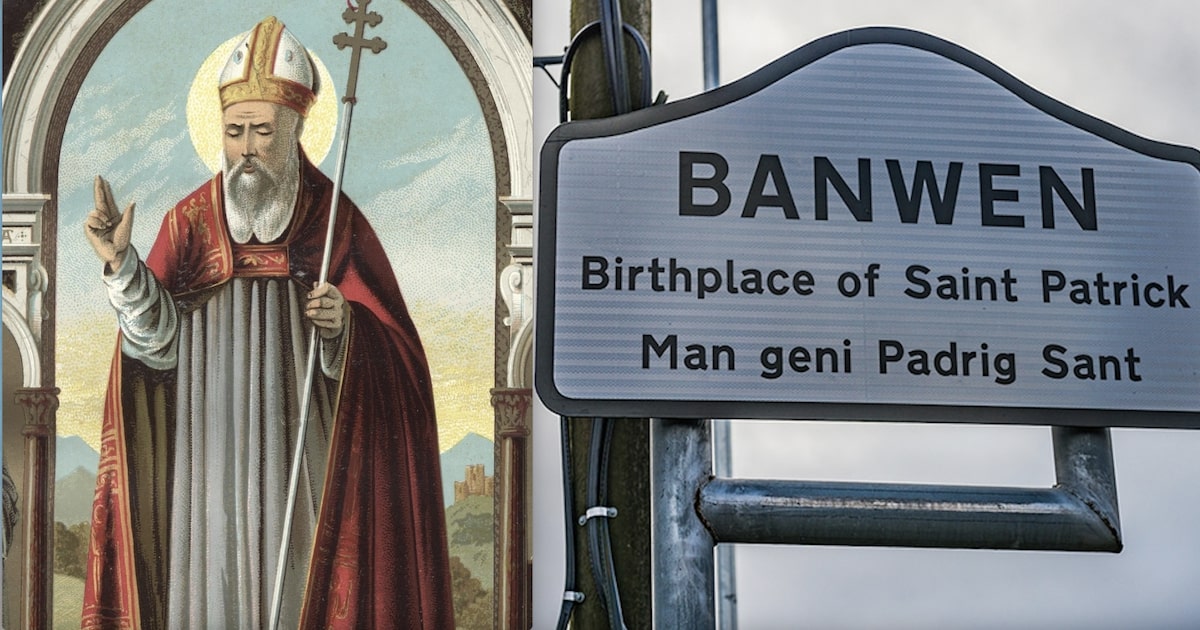
In 387 AD, a saint was born in Banwen, high in Wales’ Dulais Valley.
He would become the Celtic world’s most iconic figurehead. Every March, he is celebrated in towns and cities across the world.
To his adopted Irish home and kin, he is known simply as Saint Patrick.
Six years a slave
Born Maewyn Succat (Maewyn: Welsh for devoted friend; Succat: Pagan for warlike), in Bannavem Taberniae (now Banwen), the teenage Patrick (or Padraig) was captured and sold into slavery with “many thousands of people” by a group of Irish marauders that raided his family estate.
Six years a slave, Patrick lived an isolated existence as a shepherd.
The then Ireland was a dangerous, pagan place. Divided into some 100 self-contained Celtic kingdoms.
Those who moved between became known as “grey dogs” and were often taken captive, relinquishing their rights.
Escaping his captors, a dream told Patrick it was time to leave Ireland. Returning home to Wales, he is said to have trained as a priest at Côr Tewdws in Llantwit Major, Britain’s oldest centre of learning.
Once ordained as a priest, he returned to Ireland as a missionary.
Patrick was a powerful, charismatic figure who attracted a large following, moving freely among Ireland’s kingdoms.
Familiar with the Irish language and culture, he adapted Celtic Paganism into his lessons of Christianity, rather than attempting to eradicate native beliefs.
He used bonfires to celebrate Easter, since the Irish were used to honouring their gods with fire.
The Celtic cross
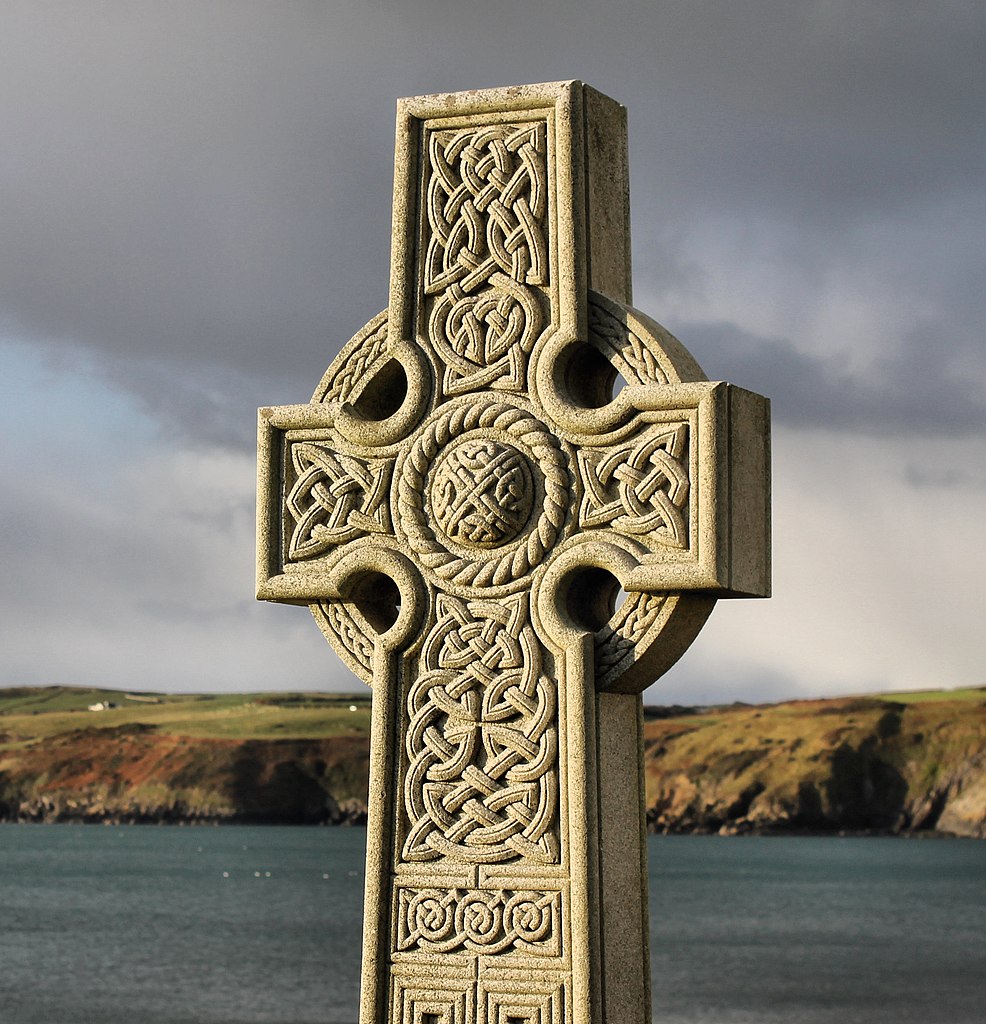
Saint Patrick also superimposed a sun, a powerful native symbol, onto the Christian cross to create what is now called a Celtic cross.
Patrick’s mission in Ireland lasted approximately 30 years.
It is said that he died in 461 AD, on 17 March, now commemorated as St. Patrick’s Day.
Follow Owen on X to discover more secrets of Wales…
Support our Nation today
For the price of a cup of coffee a month you can help us create an independent, not-for-profit, national news service for the people of Wales, by the people of Wales.



Interesting, but why use the awful anglicised name Lantwit Major? Putting aside the fact there never was a saint Twit, or for that matter, Major, the correct name is Llanilltyd Fawr. This was the first seat of Christian learning in Europe, founded by Saint Illtyd and among those educated there was our own saint, David.