

Too many energy drinks may lead to stroke, doctors warn
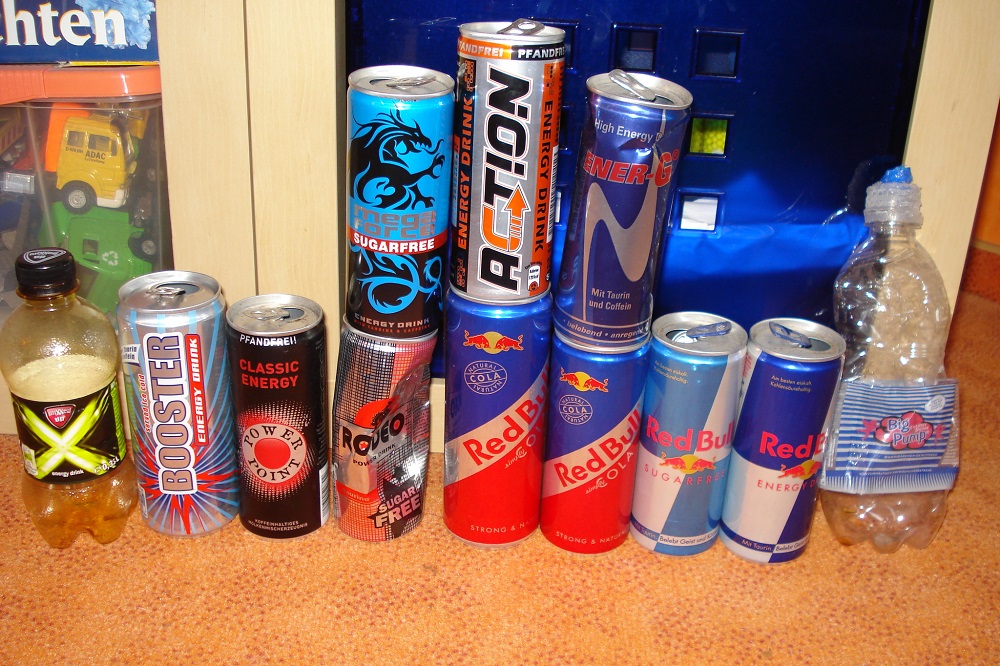
Consuming a high number of energy drinks may lead to strokes, doctors have suggested.
The drinks, which contain high levels of caffeine and other ingredients, could push up blood pressure, which is known to increase the risk of stroke, they said.
Doctors from Nottingham University Hospitals NHS Trust told of how they treated a normally fit and healthy man in his 50s for a stroke, which caused sudden weakness on his left side as well as unsteadiness and issues with swallowing and speech.
An MRI scan confirmed he had suffered an ischaemic type of stroke, where small blood vessels become blocked.
At the point of him being admitted to hospital, his blood pressure reading was very high at 254/150mmHg.
The NHS advises that normal blood pressure is between 90/60mmHg and 120/80mmHg.
High blood pressure is considered to be 135/85 or higher if the reading was taken at home, or 140/90mmHg or higher if the reading was taken at a pharmacy, GP surgery or clinic.
Writing in the journal BMJ Case Reports, the doctors explained how the man was started on drugs in hospital to lower his blood pressure, which did work temporarily.
But once back home, his blood pressure continued to rise and stayed high despite him being given extra drugs to control it.
Medics questioned the man at one of his appointments and discovered he had been drinking an average of eight cans of energy drinks a day.
Each drink contained 160mg caffeine per 16 fluid ounces.
This added up to a daily intake of 1200-1300mg of caffeine when the recommended maximum daily intake is 400mg, the doctors wrote.
Once he stopped consuming the drinks, his blood pressure returned to normal and blood pressure lowering drugs were no longer needed.
In fact, just one week after stopping the drinks, his average blood pressure readings were around 120 to 130mmHg/80mmHg.
“It was therefore thought to be likely that the patient’s consumption of highly potent energy drinks was, at least in part, a contributive factor to his secondary hypertension (high blood pressure) and in turn his stroke,” the doctors wrote.
“As our case and discussion illustrate, it is possible that both acute and chronic intake of energy drinks may increase cardiovascular disease and stroke risk.”
The doctors stressed that evidence overall is not conclusive, but research on the topic is accumulating.
They suggested that increasing the” regulation of energy drink sales and advertising campaigns (which are often targeted at younger ages) could be beneficial to the future cerebrovascular and cardiovascular health of our society”.
“Additionally, healthcare professionals should consider specific questioning related to energy drink consumption in young patients presenting with stroke or unexplained hypertension,” they said.
The UK Government announced earlier this year that high-caffeine energy drinks will be banned for under-16s because of negative impacts on children’s physical and mental health.
In reflecting on his experience, the patient said he still had symptoms eight years later.
He said: “I obviously wasn’t aware of the dangers drinking energy drinks were causing to myself, (I) have been left with numbness (in my) left hand side hand and fingers, foot and toes even after eight years.”
Discussing the findings, the article said the average energy drink contains around 80mg of caffeine per 250ml, compared with 30mg in tea and 90mg in coffee, but in some cases can contain up to 500mg in a single serving.
“This declared amount is the ‘pure caffeine’, but other energy drink ingredients contain ‘hidden caffeine’— for example, guarana is thought to contain caffeine at twice the concentration of a coffee bean.
“The hypothesis is that the interaction of these other ingredients, including taurine, guarana, ginseng and glucuronolactone, potentiates the effects of caffeine heightening stroke cardiovascular disease risk through numerous mechanisms”. These include raising blood pressure.
A spokesman for the industry-funded British Soft Drinks Association said: “The European Food Safety Authority confirms the safety of energy drinks ingredients and therefore does not provide any scientific justification to treat energy drinks differently than the main contributors to daily caffeine intake in all age groups, i.e. tea, coffee, chocolate and other non-alcoholic beverages.
“Food regulations dictate that drinks with an added caffeine content of more than 150 mg/litre must include the following: ‘High caffeine content. Not recommended for children or pregnant or breast-feeding women’ followed by a quantitative indication of the product’s caffeine content. This approach has been adopted universally across the EU and UK.”
Support our Nation today
For the price of a cup of coffee a month you can help us create an independent, not-for-profit, national news service for the people of Wales, by the people of Wales.



Eight cans a day is excessive though. As a matter of fact the recommended daily caffeine limit is 400mg or equivalent 2.5 cans of Monster per day.