


Tories accuse ministers of being ‘asleep at the wheel’ as bluetongue cases rise
Rhiannon James, Press Association Parliamentary Editor
Ministers have been “asleep at the wheel” amid the spread of bluetongue cases in the UK, the Tories claimed, as they pressed for farmers to get financial assistance.
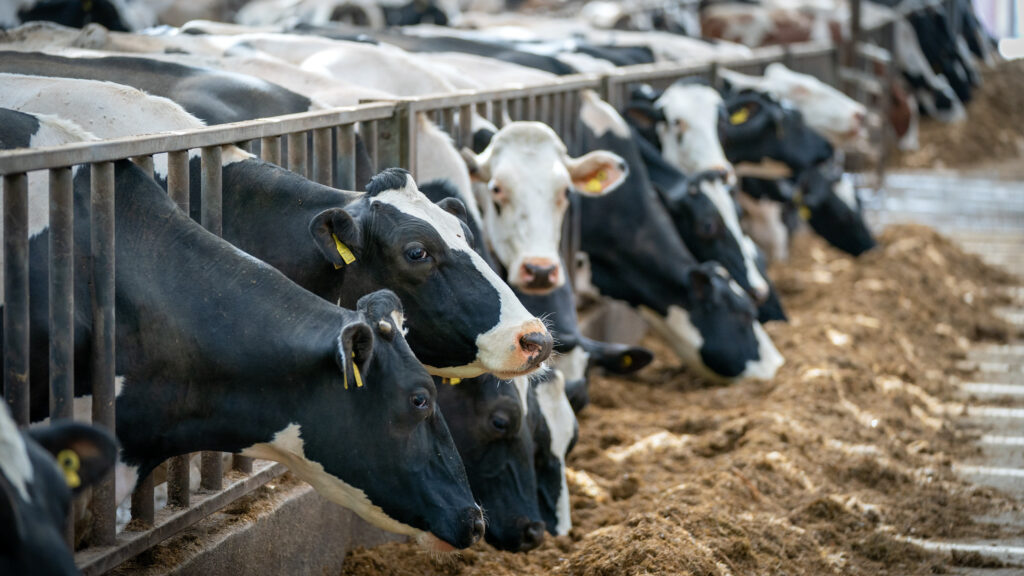
There have been 795 bluetongue cases recorded across England, Scotland and Wales during the 2026/27 season, according to the Government.
The disease, which affects ruminant livestock such as sheep and cows, can be fatal to animals.
Environment minister Stephen Morgan said his message to farmers was to “remain vigilant, monitor your animals closely and take up the vaccine”, as he responded to MPs on Thursday.
Shadow environment minister Robbie Moore warned of inadequate vaccine supplies during an urgent question in the Commons.
He said: “Bluetongue is spreading across Britain at an unprecedented rate, devastating livestock businesses and putting farming families under immense financial and emotional pressure.”
He added: “Ministers rightly advise farmers to vaccinate livestock, but livestock supplies can take up to three to four weeks to arrive.
“So why has the Government not acted to secure adequate vaccine supplies, working more closely with vaccine manufacturers, veterinary bodies and industry?”
Mr Moore urged the Government to “confirm financial assistance will be put in place”, concluding: “It seems that despite concerns being consistently raised throughout summer, ministers have been asleep at the wheel.”
In his response, Mr Morgan said the Government “has acted quickly to secure increased vaccine supply”.
He added: “We absolutely recognise that this is a difficult time for livestock keepers and for veterinary professionals supporting them.
“Defra is working really closely with livestock keepers and industry to facilitate access to vaccinations and ensure timely information.”
The Department for Environment, Food and Rural Affairs (Defra) funds diagnostic testing for up to three affected animals where suspected clinical signs are reported.
Defra committee chairman Alistair Carmichael said “better information” should be available after he had difficulty identifying whether his livestock would need a vaccination.
He said: “I vaccinated my stock last year. I couldn’t even find out this year whether that was going to be sufficient or whether the vaccination would need to be done again.
“The minister is right about the protection that we get from vaccination. The second most important thing is reliable information.”
Mr Morgan said “there’s always more we can do” on communication.
‘Active transmission period’
Farmers and livestock keepers across Wales are being urged to check for signs of Bluetongue, report any suspect cases to APHA and consider vaccination, as more BTV-3 cases are being confirmed in England and Wales.
Since the all-Wales Restricted Zone was introduced in November 2025, livestock can move freely between England and Wales without restrictions.
The Welsh Government has highlighted that this makes it more important than ever for keepers to check the Bluetongue status of any animals before buying or moving them.
Wales’ Chief Veterinary Officer, Richard Irvine, said: “We are now in the active transmission period for Bluetongue, and more cases of BTV-3 in both cattle and sheep are emerging in different parts of Wales, as well as in England, particularly the south-west counties.
“Safe sourcing of livestock is crucial. Keepers are advised to consider the Bluetongue status of replacements, so you don’t buy more than you bargained for.
“It remains important for livestock keepers to speak with their vet and consider Bluetongue vaccination, as it’s the best way to protect herds and flocks from the impacts of disease. Stay vigilant for the signs of Bluetongue and report any suspected cases promptly to APHA.”
Keepers are advised to take three practical steps to protect their herds and flocks, which are:
- Firstly, check the Bluetongue status of any replacement animals before buying them, so as not to unknowingly bring the disease onto your farm.
- Secondly, speak to your vet about Bluetongue vaccination, which remains the most effective way to protect herds and flocks from the impacts of the disease.
- Thirdly, know what to look out for and check for signs of Bluetongue in your stock. Report any suspected cases to the Animal and Plant Health Agency (APHA) without delay.
The Bluetongue Virus Hub – Ruminant Health & Welfare has free resources for keepers and vets about Bluetongue, including decision-support tools, as well as guidance on Bluetongue vaccination and the impacts of the disease.
Support our Nation today
For the price of a cup of coffee a month you can help us create an independent, not-for-profit, national news service for the people of Wales, by the people of Wales.
Get more trusted Welsh news
Choose Nation.Cymru as a preferred source in Google News to see more of our journalism.


