


Tourism tax debate examined as Welsh councils weigh up introducing levy
Businesses and tourism experts have shared contrasting views on plans for a tourism tax as councils across Wales consider whether to introduce the charge from 2027.
This week’s Y Byd ar Bedwar examines the arguments for and against the proposals, and travels to France to see how a similar system has been operating there for more than a century.
The proposed tax would mean an additional charge of £1.30 per person, per night, plus VAT for visitors staying in caravans, hotels, bed and breakfasts or self-catering accommodation.
The charge would be 80p per person, per night, plus VAT for those staying in hostels and campsites.
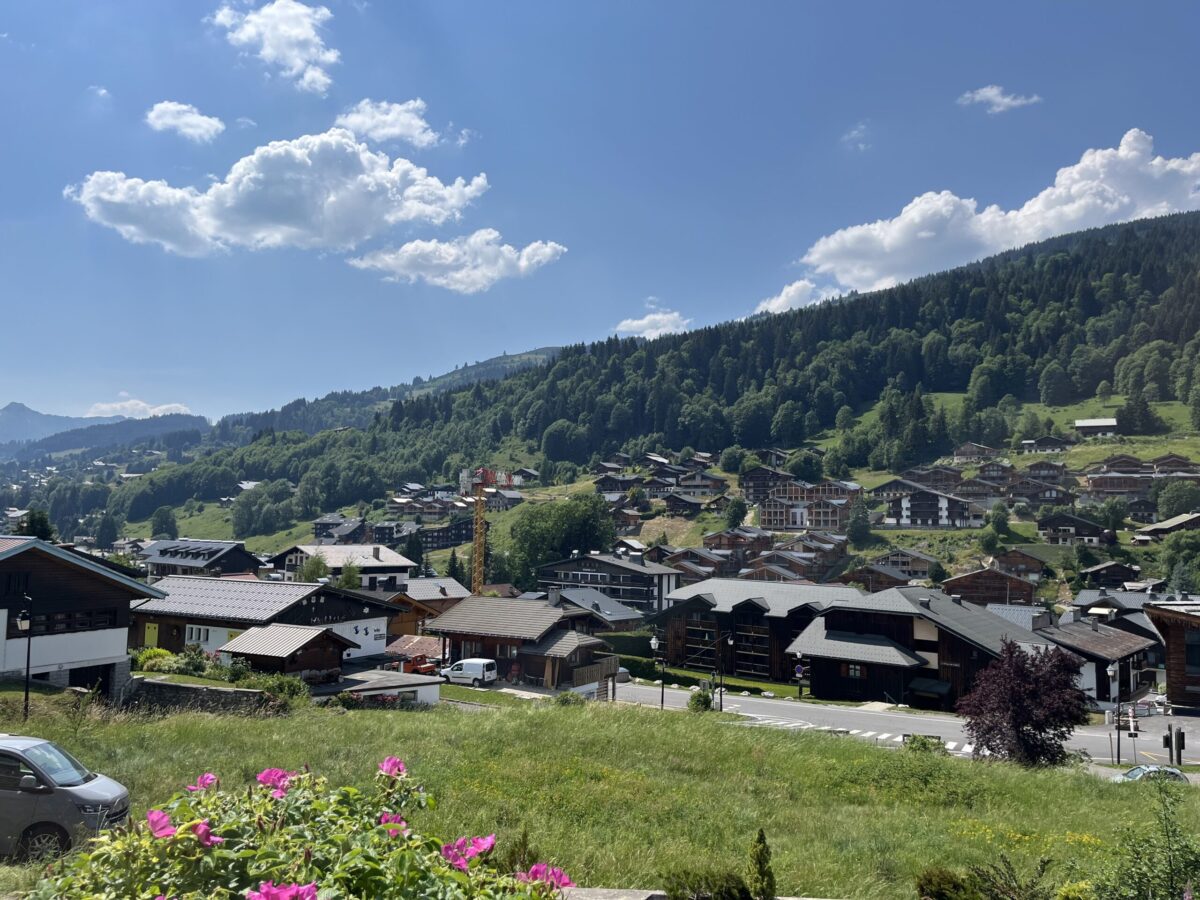
As a part of the programme, Y Byd ar Bedwar’s Siôn Jenkins travelled to Les Gets in the French Alps to see how the taxe de séjour operates in an area that relies heavily on tourism.
Les Gets attracts visitors all year round, with skiing in the winter and outdoor activities during the summer. The tourism tax has been in place there since 1910.
According to those who live and work in the area, it helps fund local services and supports the tourism economy.
Fabien Tissot, who owns a bar and restaurant in the village, said: “Without tourism, there would be nothing here. We live mainly from tourism.”
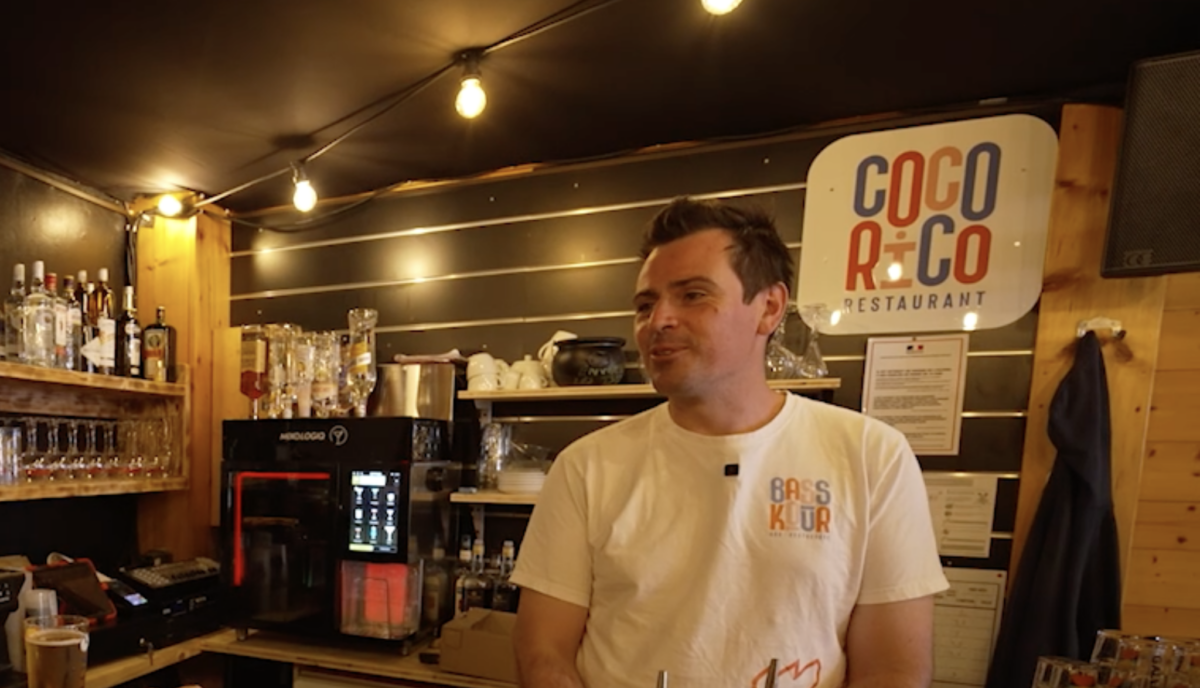
Speaking about the tax, he added: “Well, it has existed for a very long time, and above all it helps fund the tourist office. It also allows the council’s leisure department to support the tourism industry beyond its normal budget in order to promote Les Gets, organise activities throughout the year and attract people here.”
The programme also hears from Bedwyr ap Gwyn, who runs an outdoor activities company in north-west Wales. He has been taking groups to Les Gets for more than twenty years.
In his view, the tax benefits the wider community.
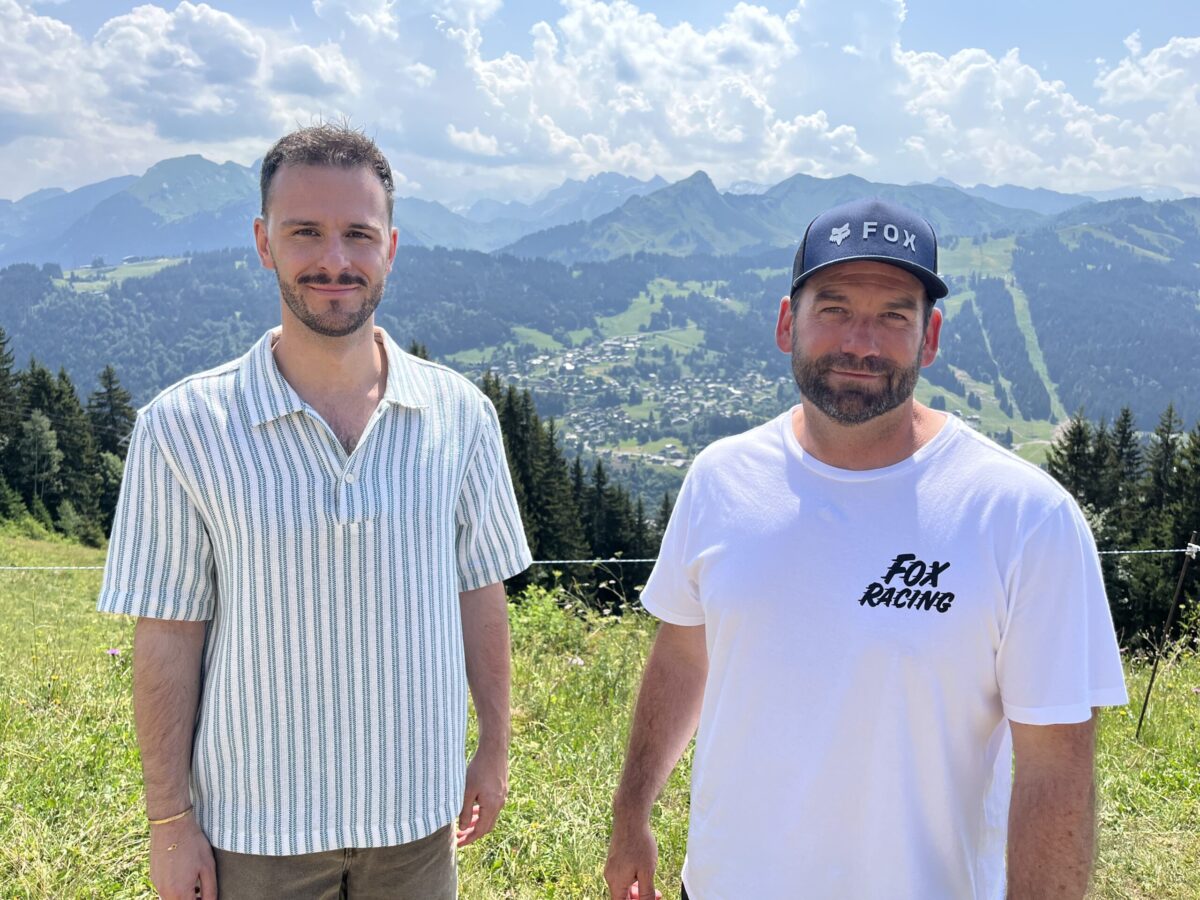
He said: “The money goes a long way there. It helps fund the maintenance of the slopes, walking trails, cycling trails and ski runs, and it also pays for things in the village. Public transport is free for tourists and local people – the beauty of the place – the flowers.”
He added: “People who own hotels, restaurants and businesses like mine benefit directly from tourism. But what about everyone else who doesn’t work in that world? What they get from tourism is a busier village, more litter, more traffic and nowhere to park.
“At least by collecting a tourism tax, the whole community benefits together, not just those who work in the industry.”
However, not everyone in the tourism industry supports the proposed scheme in Wales.
Geraint Rowlands, who runs a caravan park near Dolgellau, is concerned that the tax would affect visitors who are already facing higher costs.
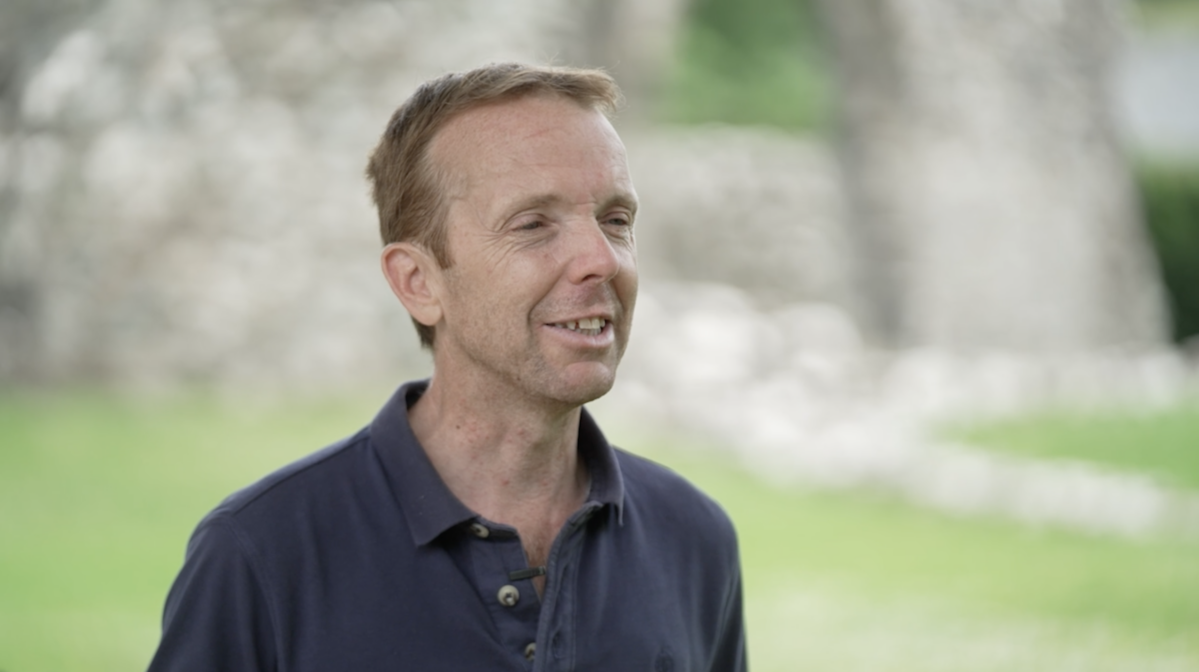
He said: “Holidays on a caravan park are relatively inexpensive, and perhaps that’s all some people can afford. That’s one thing I think is unfair about this tax – it’s going to hit those people.”
He also questions whether the tax would solve the problems some communities associate with tourism.
He said: “I don’t think it will help with the problems that already exist. The parking problems, the traffic, the toilets – they’ll all still be there. If anything, it could make things worse.”
It will be up to individual councils whether they introduce the tax or not. Geraint is concerned about the potential impact that could have on his business.
He said: “If Gwynedd introduces it but Powys doesn’t, for example, or Denbighshire doesn’t, people will think, ‘We’ll just go across the border to that county instead.’ If it came in on a national level, at least there wouldn’t be that difference.”
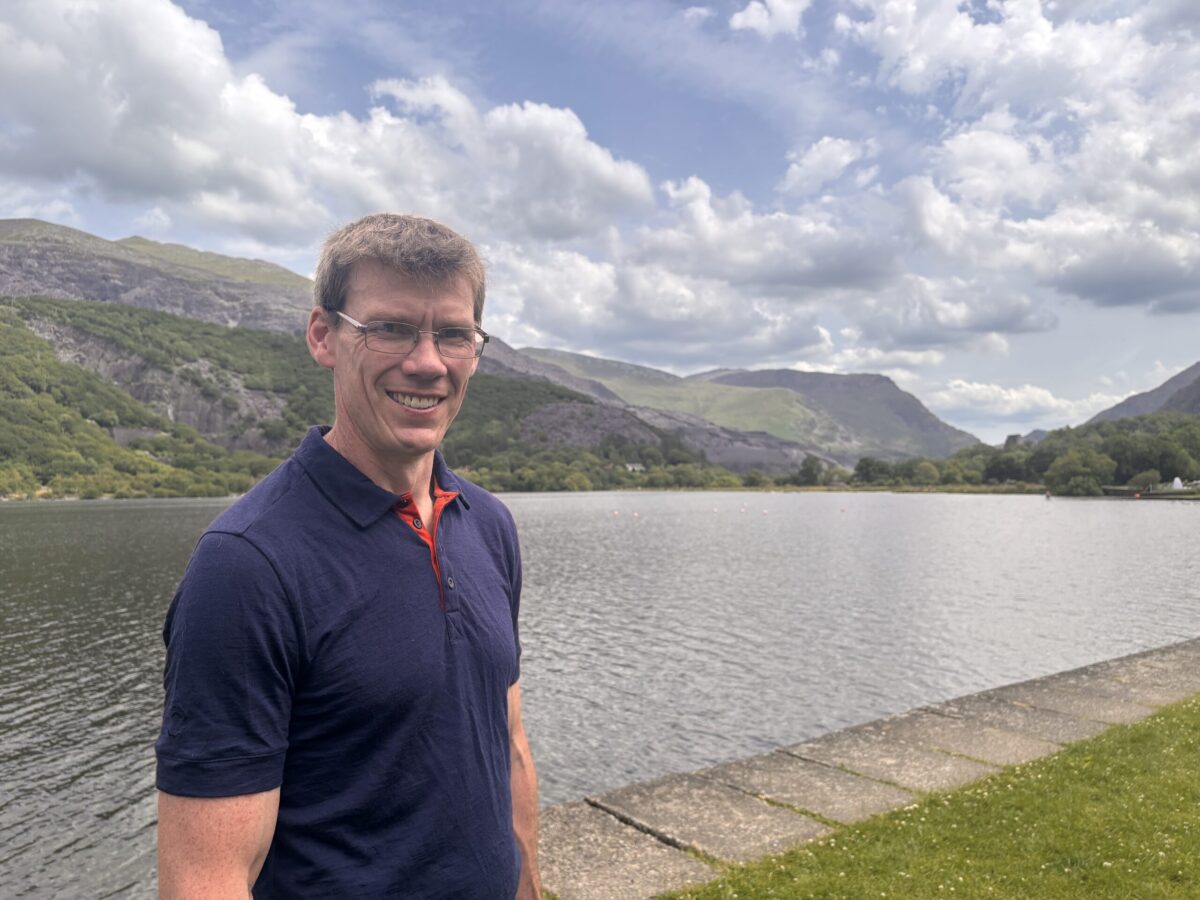
According to Dr Rhys ap Gwilym, an Economics lecturer, the revenue could be used to improve tourism infrastructure, maintain public facilities and support local culture and heritage.
Tourism contributes to around 10% of Gwynedd’s economy and supports around 15% of the county’s jobs.
In a survey of more than 650 visitors to Gwynedd, around two-thirds said that an additional charge of £1.30 per night would not change their holiday plans. Around one-third said the extra cost could influence their decision.
Response
The Welsh Government said: “It is for Local Authorities to decide if they want to introduce a levy in their area following consultation with their communities.
“It is a legal requirement that revenues from the levy must be spent on tourism related infrastructure and services that help make Wales a world-class destination.
“Local Authorities must report on an annual basis how they have used visitor levy revenues, outlining what projects and activity has been funded.”
A spokesperson for Gwynedd Council said: “The Welsh Government’s Visitor Levy Act gives local authorities the power to introduce a Visitor Levy on overnight visitors.
“Gwynedd Council, like the other local authorities in the north Wales region, is currently undertaking a public consultation to give local residents, communities and the business sector in Gwynedd the opportunity to share their views on the possibility of introducing a Visitor Levy.
“No decision has been made on the matter at this stage.
“We encourage anyone with comments or concerns to submit them by completing the questionnaire available on the Council’s website. Paper copies are also available in the county’s libraries and at the Council’s three main offices. All responses will be carefully considered before Gwynedd Council’s elected members make a decision this autumn on whether or not to adopt the Visitor Levy.”
The consultation in Gwynedd closes on 26 July.
Support our Nation today
For the price of a cup of coffee a month you can help us create an independent, not-for-profit, national news service for the people of Wales, by the people of Wales.
Get more trusted Welsh news
Choose Nation.Cymru as a preferred source in Google News to see more of our journalism.



There will only be an extra cost for holidaymakers if operators choose to pass it on. But market forces will apply so those that do pass it on may lose customers to their competitor over the road who doesn’t and gains far more through the extra custom than they lose by absorbing the charge.
As someone who is a tourist to various places, I personally prefer to pay a small fee just out of respect for the places I visit.
I do hope that funds raised are ring fenced and used in the communities theyre collected in.