


Traffic calming measures rejected despite animal deaths
Twm Owen Local Democracy Reporter
Calls for traffic calming measures on a residential street, through which more than 4,000 vehicles drive in a week, have been rejected.
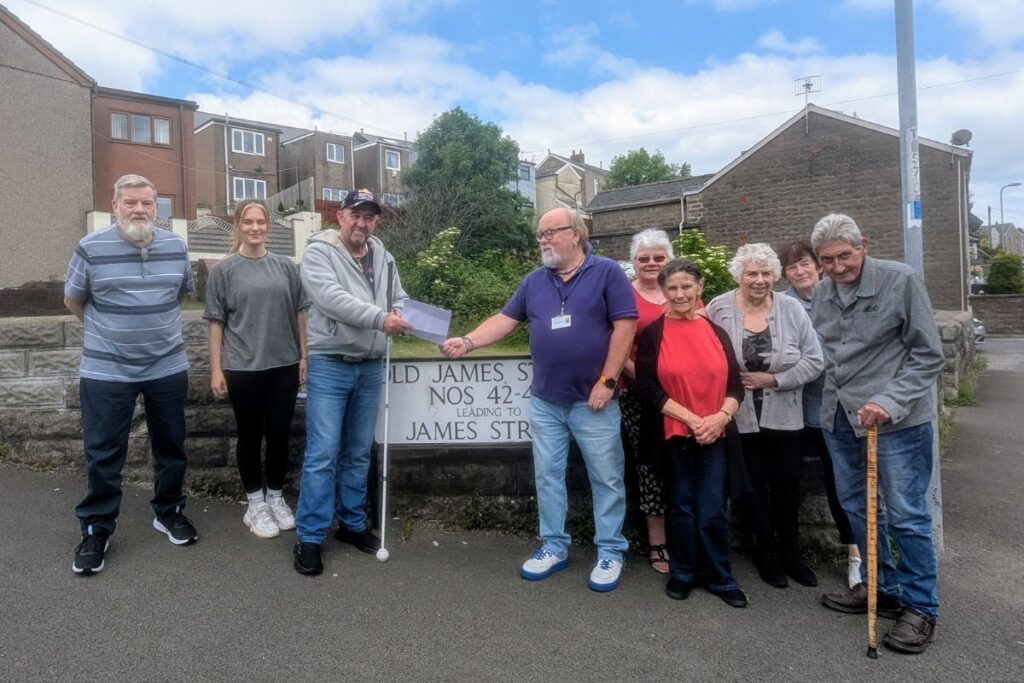
Residents launched a petition calling for action, including a possible one-way system, due to their concerns over traffic levels, and speeds, outside their homes on the road that is subject to Wales’ default 20 mile per hour speed limit in built up areas.
A traffic survey initiated by the council in response found 4,106 vehicles were recorded travelling in both directions along James Street in Blaenavon over the seven day period between July 3 and 10 this year with 85 per cent of them travelling at 21mph or below.
Police accident data showed there were no collisions causing injuries to people recorded on James Street in the past five years.
As a result Michelle Mitchell, Torfaen Borough Council’s team leader for highways, told councillors at their September meeting the evidence collected didn’t support implementing traffic calming measures, but the council would continue routine monitoring.
Blaenavon independent councillor Nick Horler, who presented the residents’ petition to the council in June, said concern hadn’t only been about the risk to pedestrians but pets as well.
Long term effect
He said: “The concern on the street was not only about speed of people driving, that has been analysed, but it was the welfare of local animals that live in the street that have been killed. Although they are not humans they are animals that have been killed recently and my concern is the long term effect for those residents that have animals.”
Cllr Horler added animal welfare concern was one of the reasons behind the petition and asked if the council could consider implementing proposals in response.
Ms Mitchell said it was a “valid question” and said while the national standards that had been used to assess the request related to human injuries the issue around pets could be considered by the council in ongoing work with the community.
The council’s Labour leader Anthony Hunt said it was “quite right” the recommendation against implementing traffic calming measures was based on data but said he’d like to know more about the on going monitoring promised and asked how it could taken action “before rather than after an accident”.
Monitoring
Ms Mitchell said the council will monitor speed again within three months, and compare the figures to those collected in July, and that accident data is reviewed annually and as accidents happen and discussed with police.
She also said officers could “go out into the community” and promised to update local councillors with the next set of results.
The council previously recorded traffic volumes and speeds on James Street, also known as Old James Street, in February 2024 and that found 4,215 vehicles travelling in both directions in a week with 85 per cent of them moving at 14mph or below.
A report for the council explained the figure, known as the 85th percentile speed, was higher at 21mph in July this year due to the location of the traffic counters having changed.
The 2024 data was captured towards the end of James Street close to the junction with Lower Hill Street where vehicles will be braking for the junction while in July the survey data was taken at the middle point, halfway between the junction of Ton Mawr Street and Lower Hill Street.
Support our Nation today
For the price of a cup of coffee a month you can help us create an independent, not-for-profit, national news service for the people of Wales, by the people of Wales.



What’s more important is how many people were on that petition…