


Trawsfynydd decommissioning project enters next phase
Nation.Cymru Staff
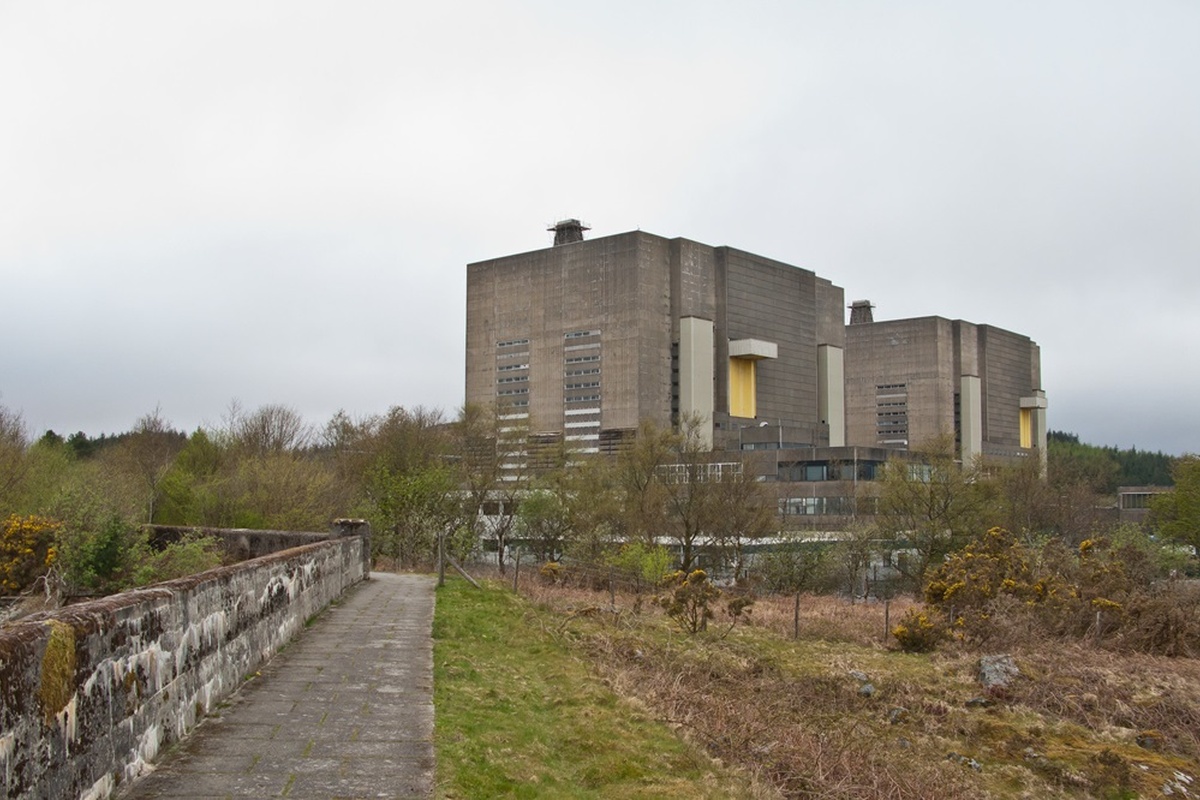
The next phase of the decommissioning of the former Trawsfynydd nuclear power station is under way after Nuclear Restoration Services handed control of the reactor buildings area to contractor Costain.
The handover allows Costain to begin on-site work at the Gwynedd facility, which has been undergoing decommissioning since 1991.
The project will run for around four years and will involve partially demolishing and stabilising the two reactor buildings ahead of later stages of decommissioning. Their height will eventually be reduced from about 54 metres to 25 metres.
Early work is already under way, with a crane on site to support the installation of scaffolding, hoists and electrical infrastructure. Larger crawler cranes are expected later this year, followed by two tower cranes inside the reactor buildings in early 2027.
Costain was awarded the contract, reported to be worth about £70 million, in October 2025. Its in-house engineering team will lead the programme, including the civil engineering and remedial work needed to support the deconstruction.
More than 100 people are expected to be employed at the site at the height of the programme, with opportunities for apprenticeships, training and local suppliers.
Trawsfynydd was a Magnox-design power station commissioned in the 1960s. It is one of six former UK reactor sites currently being dismantled that are also being considered for possible future nuclear development.
Costain has previously delivered enabling work at Trawsfynydd, including the installation of new capping roofs on the reactor buildings. It is also working with NRS on a separate six-year decommissioning programme covering 11 locations across the UK.
The handover followed a review by NRS and Costain which confirmed that the plans and arrangements for the work were progressing as expected.
Tom Williams, NRS Trawsfynydd site director, said: “Reaching this milestone reflects years of planning, preparation and collaboration for our dedicated workforce and supply chain partners.
“As well as delivering an important step forward in decommissioning, the project will create opportunities for local people and businesses, helping ensure benefits are felt beyond the site boundary.”
‘Lead and learn’
NRS describes Trawsfynydd as one of its “lead and learn” sites. It says the experience gained from the work will help inform future decommissioning programmes elsewhere.
James Trott, Costain’s project director, said the handover marked “a significant milestone in what is a highly complex decommissioning project”.
He added: “We’ve undertaken significant design and engineering works to reach this phase of the project and, as we progress the enabling works, we’ll be continuing to collaborate with NRS and our local supply chain to deliver all subsequent phases to the highest safety and quality standards.”
Support our Nation today
For the price of a cup of coffee a month you can help us create an independent, not-for-profit, national news service for the people of Wales, by the people of Wales.
Get more trusted Welsh news
Choose Nation.Cymru as a preferred source in Google News to see more of our journalism.



Operated for 26 years, 35 years and counting to decommission, fantastic deal.
Staggering, makes cleaning up after coal and other fossils seem reasonable!. We’ll have an extensive and expensive blight to clear up when the wind turbines fail. All energy sources are extractive, hazardous, and expensive so rushing after any option brings complications in the future.
Wind turbines will only “fail” when the wind stops blowing. I don’t expect that to happen any time soon.
Ever heard of mechanical failures, structural defects, end of life etc? Come on you haven’t been listening, have you?. Perfect everlasting machines? Not likely.
It’s criminal that not a single mention is made to the fact that Basil Spence (the architect of Coventry Cathedral) designed the power station and that Sylvia Crowe designed the original landscaping. It’s unfortunate nothing will remain of what is an important industrial complex designed by two modernist titans.
Basil Spence may be acknowledged as an important architect, but the power station can hardly be said to have any architectural value. It is a carbuncle and an eyesore as well as being a permanent threat to health.
I love how all the naysayers never mention the landscaping by Sylvia Crowe, the profile of the power station is impressive and it relates beautifully to scale to the lake. Industrial heritage doesn’t always have to be in a popular aesthetic, it is its own aesthetic. And Spence had to figure out what that meant and resolved it an interesting way.
Trawsfynydd power station was and currently is two concrete cubes that have no value, aesthetic or otherwise and their removal will not detract from their legacy. It is definetly not criminal, it was criminal that they were built in that location.
Maybe look at my other comment, modernist aesthetics may not be for everyone but this building was cutting edge at the time it was built and had some impressive and thoughtful garden design by Crowe, some of the paths are still there. It could have been reused in some way, talk about the history of the site. Turning it into a grassy hill is just nothing.
Say no to nuclear, its clear. have passed it many times, area looks dead.
So hopefully, those that champion local mini reactors will take some time to see & understand the permanent pollution of the sites & the vast expense of decommissioning that they will cause! They will sited adjacent to major water courses! For everyone’s sake, don’t let the carpetbagging global businesses behind these schemes take advantage of us again! Stick to renewables?
Don’t forget the enormous cost of removing these technological dead-ends, which will be borne by all of us in our electricity bills and tax bills generally.