


Two Welsh police forces ‘are using Facial Recognition Technology lawfully’
Martin Shipton
Both South Wales Police and Gwent Police are complying with the law in their use of Facial Recognition Technology, an audit by the Information Commissioner’s Office has confirmed.
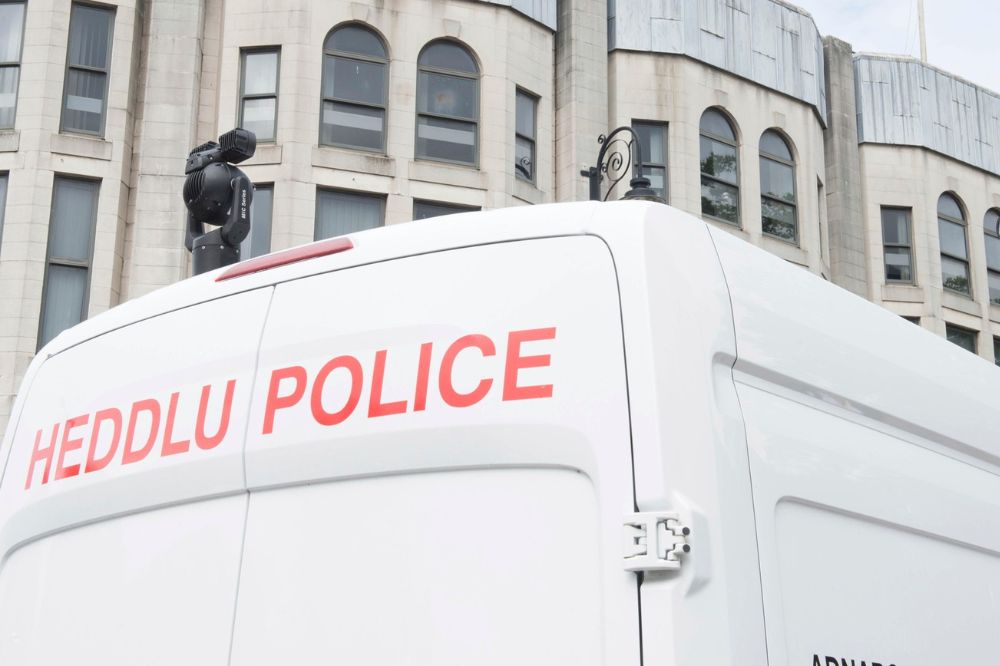
The two forces use FRT in several ways, including live facial recognition (LFR), where cameras match images to a watchlist in real time, and retrospective use of FRT, where images captured are compared with a database.
The audit also provided feedback on the pilot scheme of Operator Initiated Facial Recognition (OIFR), where an officer uses an authorised mobile device to compare an image to a database, helping to identify someone for policing purposes.
Use of FRT by the police is frequently in the spotlight, reflecting public concerns about the technology’s use and oversight – including its potential to be intrusive and the risk of both discrimination and mistaken identity.
Data protection compliance
The audit report said: “There is a high level of assurance that processes and procedures are in place and are delivering data protection compliance. The audit has identified only limited scope for improvement in existing arrangements and as such it is not anticipated that significant further action is required to reduce the risk of non-compliance with data protection legislation.
“We identified some key areas within our audit where SWGP [South Wales and Gwent Police] needed to implement further measures to comply with data protection law. South Wales Police needs to ensure that retention periods relating to Live Facial Recognition (LFR) Technology are accurately and consistently documented across all core records; and that policies and procedures are reviewed at appropriate intervals to maintain their accuracy and relevance. Full version control information should be shown, and staff should be notified of any changes.”
“So far as Retrospective Facial Recognition (RFR) Technology used by both forces is concerned, RFR documentation should be reviewed to ensure that information on retention of RFR data is located where indicated; document version control should consistently reflect changes made during reviews; and documents relating to RFR should be reviewed at appropriate intervals.
Clear benefits
In a blog post, Deputy Information Commissioner Emily Keaney wrote: “Few technologies are having as great an impact on modern policing as FRT. It can bring clear benefits in helping to prevent and detect crime, but it comes with real risks to people’s rights and freedoms – such as the potential for discrimination and misidentification – if not used responsibly.
“We have been clear that FRT does not operate in a legal vacuum. It is covered by data protection law, which requires any use of personal information – including images of people’s faces – to be lawful, fair and proportionate. As FRT is rolled out further, police forces must ensure the appropriate safeguards are in place.
“The ICO has a crucial role in scrutinising how FRT is used in practice, ensuring police forces are compliant with data protection law and that people’s rights are protected. Our recent AI and biometrics strategy reinforces our commitment to ensuring the proportionate and rights-respecting use of FRT by the police – which will in turn, improve public trust and confidence in the safeguards surrounding its use.
“As part of our strategy, we are conducting a series of audits of police forces who have been early adopters of FRT across England and Wales – securing firm assurances that deployments are properly governed and using people’s personal information lawfully.
“The audit specifically assessed how the two forces govern their use of FRT and the protections they currently have in place to safeguard people’s personal information – such as staff training, retention of personal information and Data Protection Impact Assessments to mitigate risks. Our audits focus on governance and how personal information is used, rather than a detailed assessment of the technology.
“The forces made sure there was human oversight from trained staff to mitigate the risk of discrimination and ensure no decisions are solely automated, and a formal application process to assess the necessity and proportionality before each LFR deployment.
“This audit serves as a snapshot in time, looking at the current use of FRT by two forces only. It does not give the green light to all police forces but those wishing to deploy FRT can learn from the areas of assurance and areas for improvement revealed by the audit summary.
“Audits are just one tool in our programme of work to ensure police forces are using FRT fairly and proportionately. We have been monitoring the use of FRT since it was first used by UK police in 2016, producing relevant guidance and an Opinion from the Commissioner.
Safeguards
She added: “As FRT is used more widely, we continue to engage with police forces on appropriate safeguards and set out clear expectations for its use.
“Our recent research found that while almost two-thirds of people surveyed (63%) felt comfortable with police using FRT, their support relies on the technology being accurate, unbiased and respecting of people’s privacy, as well as being used in a way that clearly benefits society.
“The value of FRT comes when it can be deployed in a way that both supports effective policing and attracts public support. Finding that balance is crucial, and we welcome work led by the Government to continue this debate, and what it means for the law.”
Support our Nation today
For the price of a cup of coffee a month you can help us create an independent, not-for-profit, national news service for the people of Wales, by the people of Wales.



How long are images of innocent passersby kept after analysis?