


UK construction sector shrinks at fastest rate since 2020
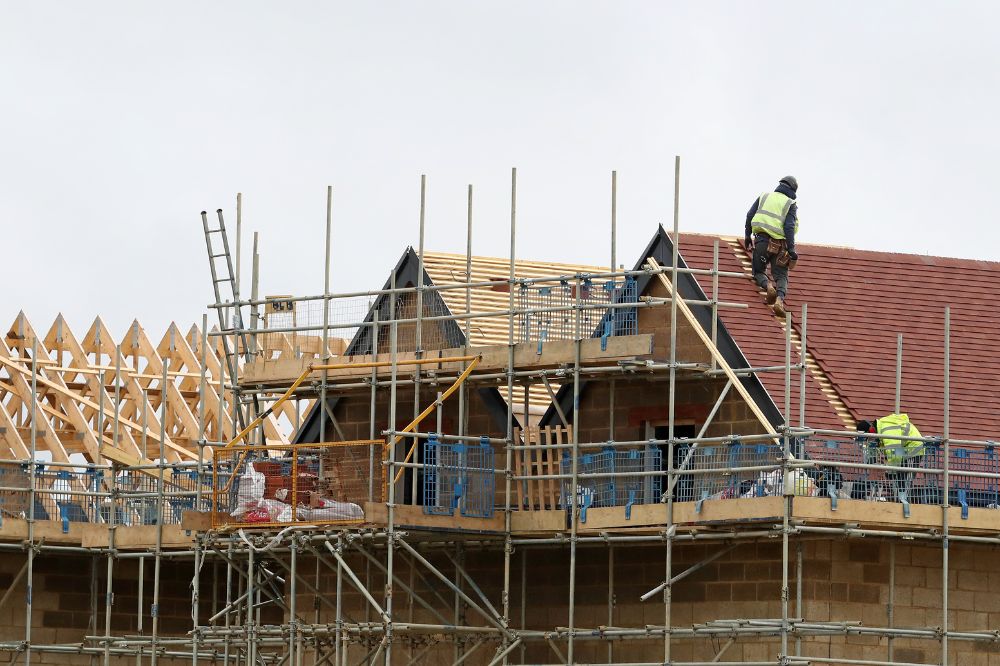
The UK’s construction sector declined at its fastest rate since the start of the coronavirus pandemic last month as firms were hit by pre-Budget caution, according to new figures.
The latest S&P Global UK construction purchasing managers’ index (PMI) showed a reading of 39.4 in November, falling from 44.1 in October.
This marked the lowest level since May 2020 in the face of reports of “challenging” market conditions.
This meant the score remained below the neutral 50-point threshold, indicating that activity has contracted for the 11th month in a row.
It was significantly worse than economists had expected, having predicted a reading of 44.4 for the month.
Tim Moore, economics director at S&P global market intelligence, said: “November data revealed a sharp retrenchment across the UK construction sector as weak client confidence and a shortfall of new project starts again weighed on activity.
“Total industry activity decreased to the greatest extent for five-and-a-half years, led by steep falls in infrastructure and residential building work.
“Commercial construction also faced severe headwinds during November as business uncertainty in the run-up to the Budget pushed clients to defer investment decisions.”
The data showed that housebuilding, commercial construction and civil engineering all saw their weakest performance for more than five years.
Surveyed businesses highlighted a lack of incoming new work and delays to the the release of new projects amid “fragile” confidence in the market.
New business dropped at a rapid pace, with some 17% of companies signalling an increase in new orders, compared with 44% who noted a fall.
Aside from the Covid-19 pandemic, it represented the fastest downturn in new orders since early 2009.
Construction companies said that weaker sales were linked to risk aversion among clients, concerns over the economic outlook and “elevated business uncertainty ahead of the Budget”.
Employment in the sector also slumped for the 11th consecutive month due to the fall in new work, as well as increased wage pressures.
Matt Swannell, chief economic advisor to the EY Item Club, said: “November’s extremely weak PMI should be approached with a healthy degree of scepticism.
“Throughout most of the year, the PMI has been much more pessimistic than official estimates of construction sector activity, and in November, this negativity looks to have been magnified by expectations of tax rises at the autumn Budget.”
Support our Nation today
For the price of a cup of coffee a month you can help us create an independent, not-for-profit, national news service for the people of Wales, by the people of Wales.



Huge skills deficit in the sector, along with slow adaptation to new methods of prefabrication of whole “subassemblies” instead of brick by brick methods. Government talks glibly of targets without really checking out the constraints. Equally big developers/builders are hugely risk averse and won’t invest in skills and methods without some guarantee of returns.