


UK groundwater levels in ‘remarkable’ health amid drought, scientists find
Rebecca Speare-Cole, Press Association Sustainability Reporter
The UK’s groundwater levels are in “remarkable” health against the backdrop of this summer’s widespread drought conditions, according to scientists.
Groundwater flows through tiny cracks in layers of rock and sand underground, known as aquifers, which feed into streams and rivers, helping to maintain water levels, ecosystems and provide around a third of the country’s public water supply.
Researchers from the British Geological Survey (BGS) have found that groundwater levels across the country remain robust, and in some cases higher than normal, despite two-thirds of England and all of Wales being currently in drought.
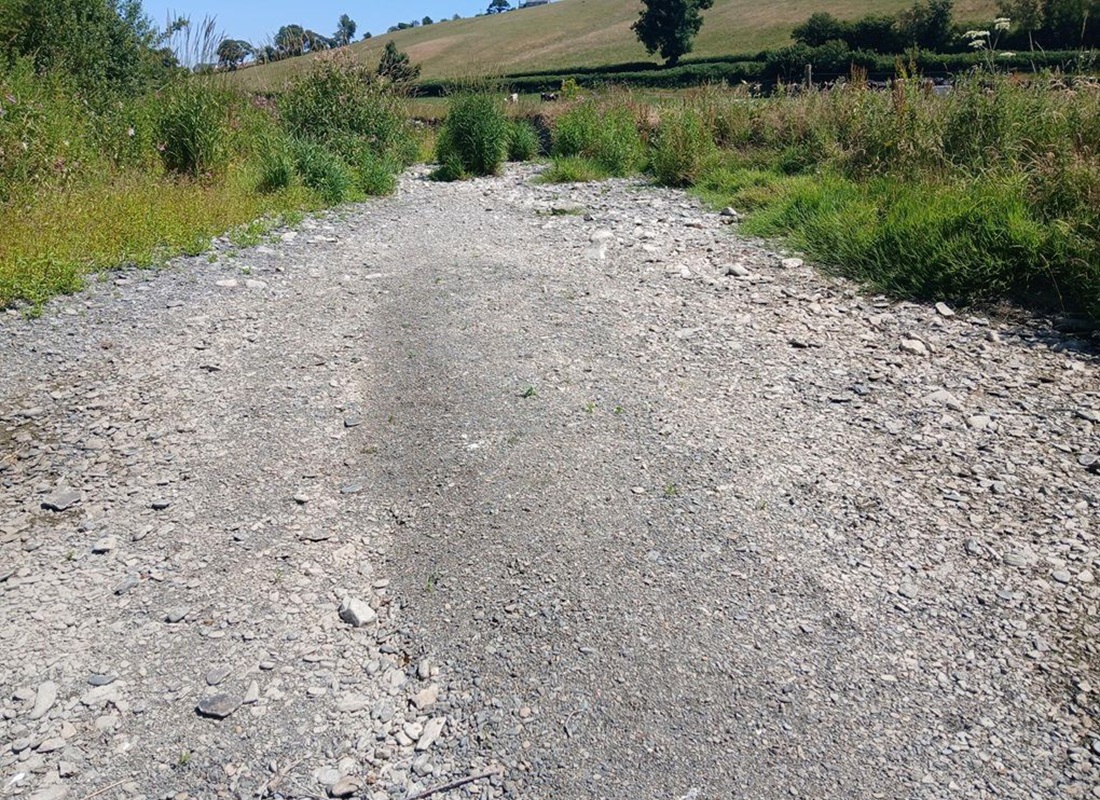
The string of heatwaves and lack of rainfall this summer has resulted in rapidly declining reservoir stocks and growing surface water shortages, leading to hosepipe bans and severe impacts on agriculture, wildlife and infrastructure.
While reservoir storage for England stood at 85% at the end of June, the Environment Agency revealed on Friday that it now stands at 66%, nearly 14 percentage points below the long-term average for the time of year.
Yet the country’s groundwater mostly remains at normal or even above normal levels after healthy replenishment during this year’s wet winter months, the BGS scientists found.
Christopher Jackson, BGS head of environmental modelling, said: “There’s far more storage in our groundwater systems than there is in our surface water reservoirs or our rivers, so it’s a huge store of water.
“So it is remarkable in that context – that even though you can get this exceptional heat and surface water drought, groundwater is doing OK.”
The team analysed aquifer levels from dozens of borehole monitoring sites around the UK at the end of July.
They then compared them to historical records that span at least several decades, and even date back 191 years for the Chilgrove House site in West Sussex.
Out of 35 groundwater sites analysed, 15 reported “normal” or “above normal levels” compared with historical measurements for this time of year, making up 43%.
Only eight sites, or 23%, were showing “notably below normal levels” and a handful of sites are close to the lowest end of the historical average, but none show record lows, the team found.
The scientists added that every summer groundwater levels naturally fall and so it is normal to see notably low levels in some places.
The data shows North Wales, the Midlands, East Anglia, Kent, Devon and Cornwall, all of which are currently in drought, have particularly healthy aquifers in comparison to their surface water resources.
Alan MacDonald, head of BGS Groundwater, said: “Scientists have long known that groundwater is a naturally resilient water source.
“While surface water resources often grab the headlines as they are such a visual reference point, groundwater is often overlooked as one of the country’s primary water sources.
“The extreme weather conditions this summer have really highlighted how robust these reserves are and indicate that they could play a much bigger role in mitigating the impacts of climate change in future.”
The team said the data suggests there may be an opportunity to revisit current thresholds for pumping groundwater into the environment so that more supplies are made available during future periods of drought.
A handful of so-called “groundwater augmentation schemes” are already underway, including an Environment Agency initiative to pump groundwater into the River Severn in periods of dry weather.
At full capacity, this scheme can release up to 240 million litres of water a day to help maintain river levels, protecting water suppliers and wildlife habitats in periods of hot dry weather before they are replenished during wetter months.
More widely, concerns remain over abstraction’s impact on the environment, such as drying up rare chalk streams and other habitats.
While more research into the issue is required, Mr Jackson said: “There are possibilities to more cleverly think about where you pump groundwater to minimise the impacts on summer low flows, whilst also maintaining public water supply.”
Drier winters
The scientists acknowledged years with drier winters could leave groundwater levels more vulnerable to dry summers as weather patterns become more volatile with climate change.
“Summers are going to get drier.
“Winters are probably going to get wetter.
“But what that means, how that translates into groundwater resources and water resources, is a bit more uncertain,” Mr Jackson said.
“We are going to see more severe droughts in the future and so we’re going to have to build more resilience into our public water supply.
“Groundwater systems are a little bit more resilient to drought, but there is going to have to be more clever ways of managing through these droughts, and the water industry is aware of that and is working towards how we adapt.”
Part of UK Research and Innovation (UKRI), BGS, is the national repository for groundwater data and information for the UK, with its analysis forming part of the wider monthly hydrological summary published alongside data from the UK Centre for Ecology and Hydrology and the Met Office.
Support our Nation today
For the price of a cup of coffee a month you can help us create an independent, not-for-profit, national news service for the people of Wales, by the people of Wales.
Get more trusted Welsh news
Choose Nation.Cymru as a preferred source in Google News to see more of our journalism.



This is what I have been saying from the evidence of our delicious spring water…