

UK income spent on overseas aid falls to 2008 level amid ‘damage’ warnings
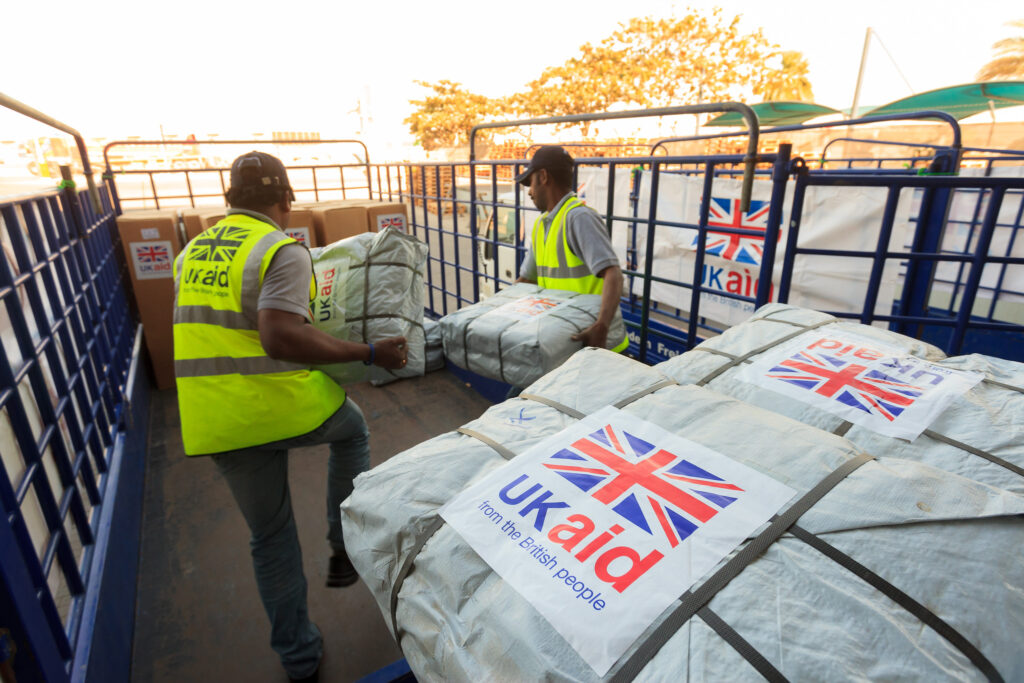
The percentage of the UK’s national income spent on international aid has fallen to its lowest level for nearly two decades, Government figures confirm.
Provisional data shows the Government allocated 0.43% of national income on official development assistance (ODA) in 2025, matching the level in 2008 and a decrease from 0.5% in 2024.
The total ODA spend in 2025 was just over £13 billion, an annual decrease of £1 billion or 7.4%.
Discounting the reduction in lower spending during the Covid pandemic in 2021 and 2022, total aid allocations fell to the lowest level since 2015, when just over £12 billion was allocated.
However, this represented 0.7% of national income at that time.
The Organisation of Economic Cooperation and Development (OECD), made up of high-income countries, said a projected 9% to 17% drop of ODA among its members in 2025 was driven by the decisions of major providers such as the UK.
This trend “would hit the poorest countries hardest”, the OECD said.
A total of £2.4 billion was spent in 2025 on support for refugees and asylum seekers in the UK, representing 18% of the total aid budget.
This is a reduction on the £2.8 million allocated in 2024.
The Government announced in February that it would reduce ODA spending to 0.3% by 2027 to fund an increase in defence spending but stated a commitment to restore international aid to 0.7% of income as soon as fiscal circumstances allow.
Campaigners and aid organisers were highly critical of the move, claiming it is set to cause widespread damage and weaken the UK’s influence overseas.
Confirming changes to ODA allocations last month, Foreign Secretary Yvette Cooper insisted the UK would remain a “major player” in overseas aid and development despite shifting funding to defence.
Billed as a “fundamental change” in Britain’s approach to aid, Ms Cooper confirmed the UK would refocus on being an “investor” rather than a “donor”, providing expertise and technical support as well as funding.
Assistance to countries wracked by war has been prioritised, including humanitarian support to Ukraine, Gaza, Lebanon and Sudan.
Support for women and girls will also be a key element, along with efforts to mobilise private investment and the work of international institutions such as the World Bank, the Government said.
Analysis of the figures by the Centre for Global Development (CGD) found the Government has cut aid earlier than expected, suggesting less will be spent in this parliament.
CGD previously estimated that the UK’s ODA would total around £14.2 billion in 2025 based on details in the spring statement and evidence provided to the Commons International Development Select Committee.
The latest figure of just over £13 billion spent overall last year, identified as the lowest level in real terms since 2012, leaves a gap of around £1 billion — equivalent to the UK’s total spend on bilateral humanitarian aid in 2025.
CGD added that less than half of the gap can be explained by refugee costs falling faster than expected, with the remainder likely reflecting reductions to programmes supporting people abroad.
Mikaela Gavas, CGD Europe managing director, said the issue “isn’t about accounting — it’s about choices”.
Gideon Rabinowitz, director of policy and advocacy at Bond, a UK network of organisations working in international development, said severe damage had already been done by aid cuts expected to be the steepest of all G7 countries in the coming year.
He added: “Lifesaving humanitarian programmes, including education provision in Syria and healthcare programmes across Africa, have already been forced to close and, with even deeper cuts still to be implemented this year and next, the worst consequences are yet to be realised.
“What is clear is that marginalised communities, particularly across Africa, will continue to pay the highest price for these political choices.”
He said adequate support for refugees and asylum seekers in the UK is vital but added: “This money must come from the Home Office’s own budget, rather than from funds intended to be spent on people in humanitarian need in the world’s lowest income countries.
“These cuts are costing lives and leaving us all more vulnerable to a world with more disease, conflict and crises.
“Instead of leading the retreat from our international commitments, now is the time for the UK to step up and urgently rebuild its shattered reputation on the global stage.”
Support our Nation today
For the price of a cup of coffee a month you can help us create an independent, not-for-profit, national news service for the people of Wales, by the people of Wales.


