


UK visitors to southern Europe ‘should allocate four hours for border checks’
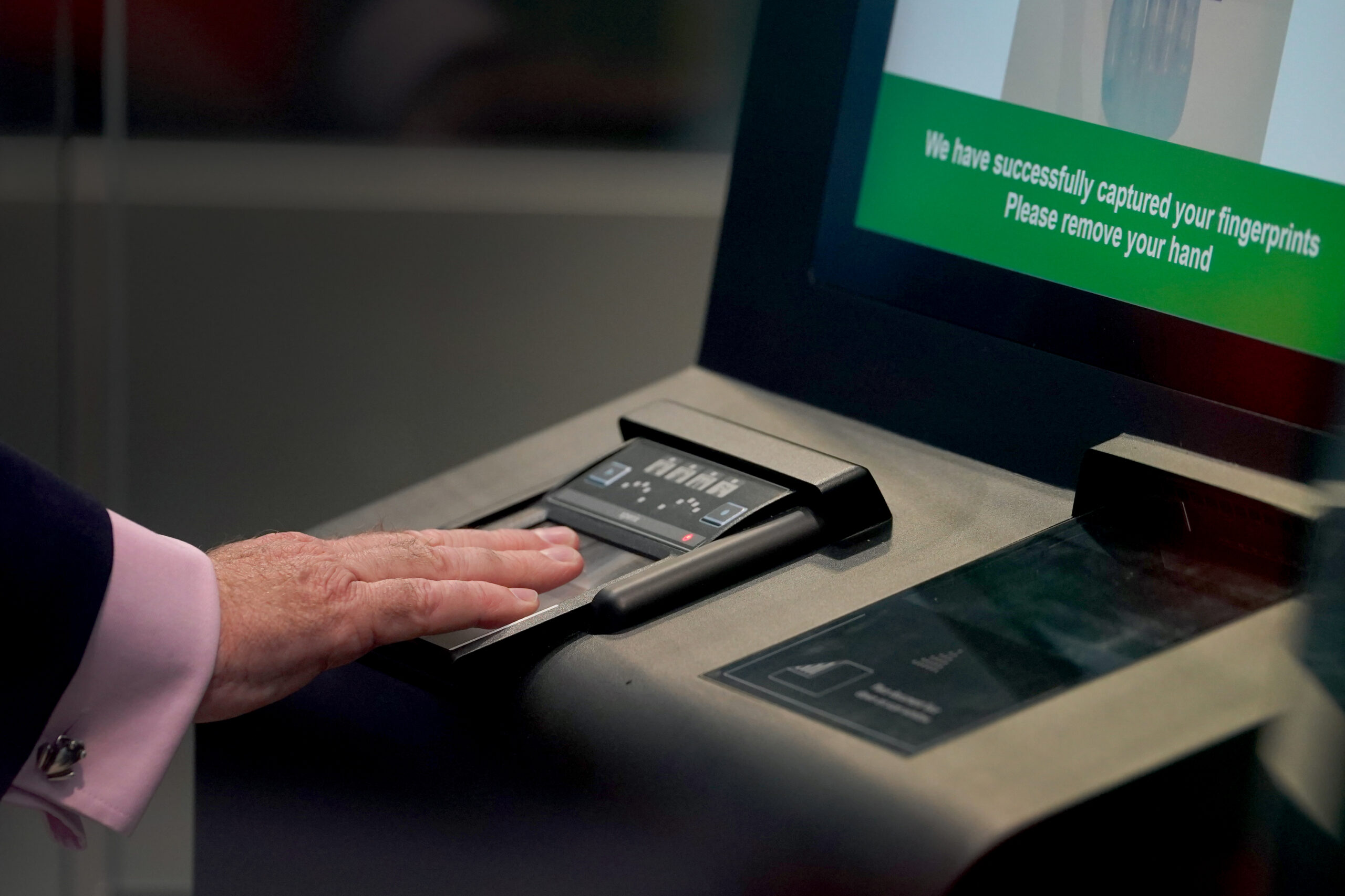
UK travellers visiting countries such as Spain, Portugal and Italy are being urged to prepare for four-hour queues when a new EU border system comes into force on Sunday.
The Entry Exit System (EES) involves people from third-party countries such as the UK having their fingerprints registered and photograph taken to enter the Schengen area, which consists of 29 European countries, mainly in the EU.
For most UK travellers the EES process will be done at foreign airports.
Delays
Julia Lo Bue-Said, chief executive of Advantage Travel Partnership, a network of independent travel agents, said: “For major airports in southern Europe, we recommend that travellers now allocate four hours for navigating the new system in these initial stages.”
She warned that “delays should be anticipated” at border controls when multiple flights arrive at similar times, and “we foresee potentially overwhelming volumes of travellers during the initial roll-out”.
She added: “This should settle over the next few weeks as staff and travellers familiarise themselves with the new procedures.”
Rory Boland, editor of consumer magazine Which? Travel, said: “Longer waits are expected at border control on arrival so you should allow more time when you land by booking later transfers or other onward travel.”
The Home Office said the extra checks “should only take one to two minutes” to complete but warned they may lead to “longer waits at busy times”.
UK travellers boarding international services from London’s St Pancras railway station, the Port of Dover and Eurotunnel’s Folkestone terminal will complete EES checks in the UK.
New kiosks have been installed at those locations but only some passengers will be required to use them from Sunday.
Phased rollout
The EU is rolling out EES in a phased manner, with participating states initially only required to use the system for a proportion of their arrivals.
The deadline for full implementation is April 10 next year.
An individual’s EES registration will be valid for three years although their details will still be verified on each trip in that period.
The system will eventually replace the need for border officers to stamp passports.
Mark Tanzer, chief executive of travel trade organisation Abta, said: “In the longer term, EES should make processes quicker and simpler for travel to Europe.
“Looking at the short term, given the scale of the operation, there may be some delays, particularly at peak travel times.
“But countries will be stepping up their processes gradually and have the option to stand down the system to avoid significant and lengthy waiting times.
“We ask that countries remain vigilant and use this contingency measure where needed.”
Support our Nation today
For the price of a cup of coffee a month you can help us create an independent, not-for-profit, national news service for the people of Wales, by the people of Wales.



Brexit! Winning!
Well done the EU on securing your borders. The majority here didn’t want to do that which is why we had to leave. #Brexitwave
The Brits really did make themselves a laughing stock with brexit.
“Taking back control!!!” What a joke.