


UK’s projected harvest ‘even worse’ than previously thought, new data finds
Abby Neve
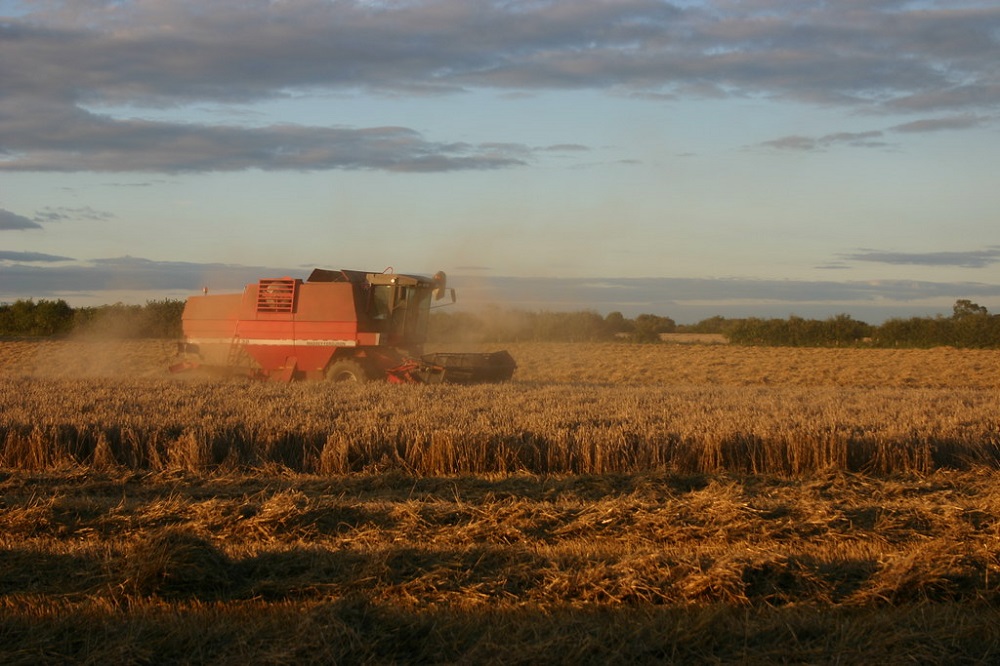
The UK’s harvest is now expected to be even smaller than previously forecast, according to recently released updated figures, making it the smallest on record.
The Agriculture and Horticulture Development Board (AHDB) found that the production of key crops is forecast to fall to just 18.5 million tonnes in 2026, down from the previous estimate of 19.5 million tonnes.
If the projections are true, this would make this year’s harvest the smallest on record, by a wider margin than previously expected.
Chris Jaccarini, food economist at the Energy and Climate Intelligence Unit (ECIU), said: “The outlook for this year’s harvest has gone from bad to worse. Farmers were already facing the prospect of the worst harvest on record, but the latest figures suggest losses will be even greater than first thought.”
“With this year’s unprecedented weather impacting all farming sectors – from meat to vegetables to grains – it’s clear that food production is on the front line of climate change.”
Analysis from the Energy and Climate Intelligence Unit (ECIU) finds the downgrade could reduce farm incomes by around £160 million, knocking off a total of around £550 million compared to March forecasts. Total output from cereals and oilseeds is now forecast at £3.64 billion.
This is around a third less (-£1.78 billion) than the 2014-23 average, when adjusted for inflation.
Ann Owens, Local Food Partnerships Coordinator in Ceredigion, said that horticulture, the growing of plants, needs more financial support:
“The agricultural subsidy system is based upon the needs of extensive stock farms and the size of the payment depends on the area farmed.”
“Most market gardens are small or medium scale, operate on 10-20 acres, but employ a lot more people as well produce vastly more calories per acre than a livestock farm.”
“But because of the smaller land area farmed, the subsidies for horticulture do not reflect the cost of running those businesses.”
2025/2026 was initially looking like finally being a normal or good year for most, with yields forecast to be around or above the 10-year average.
However, the very dry April and heatwaves in May, June, July and August have meant crops faced significant stress during key stages of development.
Christ Jaccarini went on to say:
“In just three years, farmers have faced the wettest winter on record, the hottest summer on record, and now what’s on track to be an even hotter summer. These extremes are making it harder to grow food, reducing yields and leaving farmers with less to sell while many of their costs remain unchanged.
“Farmers are investing in measures to improve resilience including planting more trees to shade livestock, but there are limits to adaptation. Unless greenhouse gas emissions are cut to net zero, extreme weather will continue to intensify, putting ever increasing pressure on farm businesses, food production and ultimately food prices.”
Support our Nation today
For the price of a cup of coffee a month you can help us create an independent, not-for-profit, national news service for the people of Wales, by the people of Wales.
Get more trusted Welsh news
Choose Nation.Cymru as a preferred source in Google News to see more of our journalism.




Thanks to farage and Kemi for pushing the oil snd gas lobby for a hotter planet .
Farage and BadEnoch say the farmers are making it up. Or rather they have told to say that and Kemi will hire a nazi influencer over an ex cabinet member if they say “Net Zero.”