


UN climate talks to kick off with focus on shoring up international co-operation
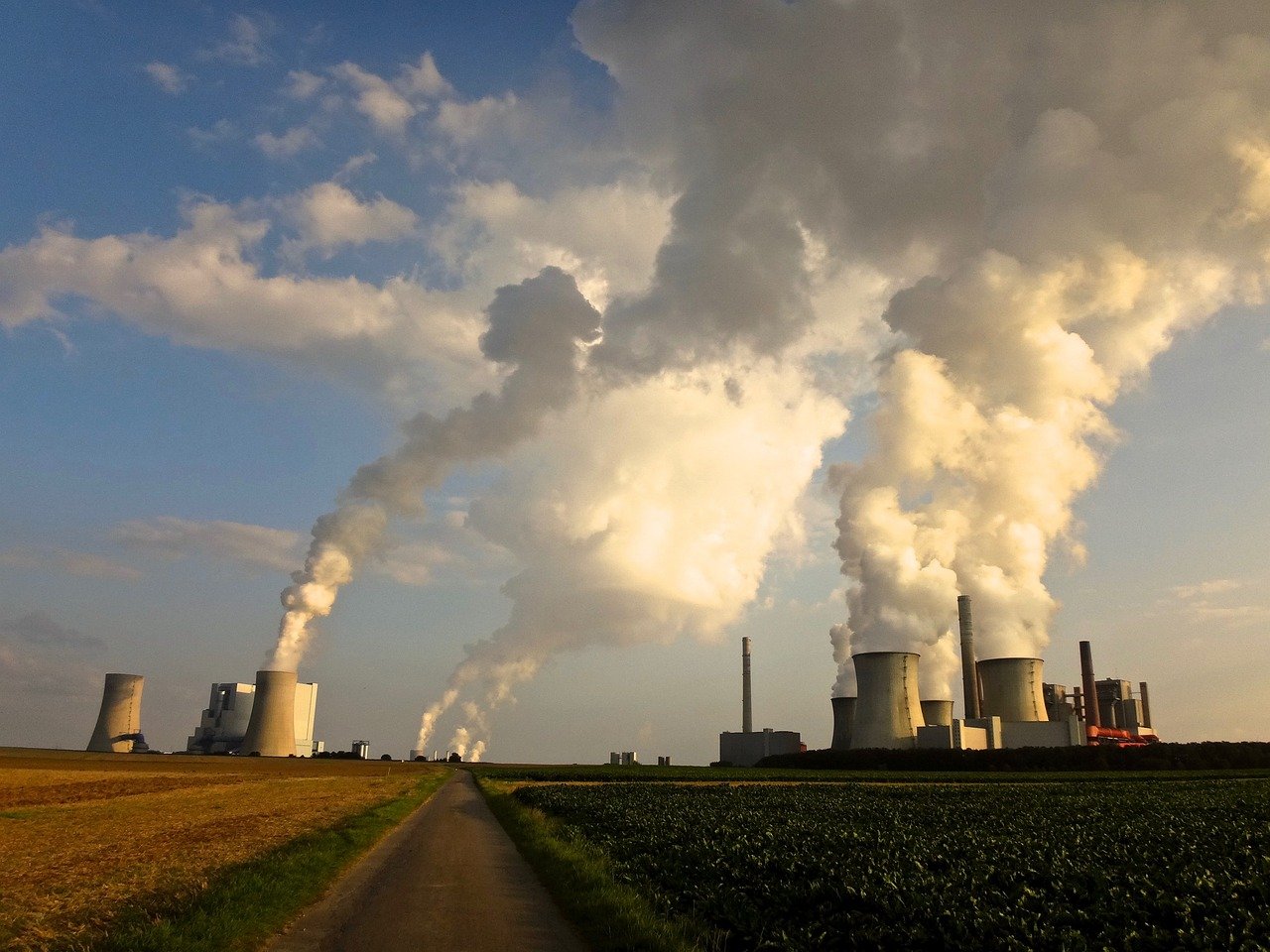
The annual UN climate talks kick off this week with countries hoping to shore up co-operation in the face of growing geopolitical instability and devastating extreme weather events.
World leaders, including Prime Minister Andy Burnham, are set to meet at the Cop31 negotiations, which will take place across two weeks from Monday in the city of Antalya on Turkey’s Mediterranean coast.
The Prince of Wales is also expected to attend alongside a UK delegation that includes Foreign Secretary Ed Miliband and Energy Secretary Miatta Fahnbulleh.
The summit’s presidency has an unprecedented joint arrangement where leadership responsibilities will be split between two countries – Turkey and Australia.
They are championing a headline “35-by-35” target to be agreed at the summit, which would commit countries to ensuring 35% of final energy use globally comes from electricity – rather than fossil fuels – by 2035.
Negotiators are not under pressure to reach a major deal at Cop31 compared to other years.
But talks will still focus on how to accelerate the implementation of countries’ UN climate plans to cut planet-heating emissions as well as action on adapting to the changing climate and building resilience to the impacts.
It comes as the world has seen deadly weather events this year, including catastrophic flash floods in Nepal, unprecedented heatwaves across Europe, devastating wildfires in India and severe drought across Central and South America, while the warming El Nino weather phenomenon is set to escalate climate impacts in the coming months.
Ms Fahnbulleh said: “This summer, we all felt it: climate change is here, in Britain, now. No country can tackle it alone, which is why Cop31 matters.
“The answer to high bills and climate change is the same – more clean, homegrown power, creating good jobs and warmer homes. Cop31 is about Britain’s national interest.”
Negotiators face a particularly steep uphill battle to reach a consensus this year in light of the geopolitical outlook, as wars in Ukraine, Iran and Gaza and consequent volatile energy and commodity prices put strain on the multilateral process.
Many countries are already questioning the purpose of yet another goal and whether a new target on electrification is necessary given that countries have already reached a whole host of agreements at past summits, including pledging to transition away from fossil fuels in energy systems.
In recent years, oil-rich countries have sought to obstruct agreements related to curbing fossil fuel use while poorer nations facing the worst of the climate impacts have called for more financial support from richer ones.
US President Donald Trump’s decision to pull the US out of the UN Paris Agreement – the landmark global framework in 2015 that committed countries to take action to limit global warming – also marked a significant setback in international momentum.
Many countries consider Cop31 to be an important moment to touch base and shore up global co-operation, while avoiding attempts to relitigate past agreements, in the lead-up to more significant summits in the coming years.
The talks will also be overshadowed by the recent announcement from UN scientists that the world will overshoot 1.5C warming above pre-industrial levels this century – a central target of the Paris Agreement.
Beyond this temperature threshold, extreme weather events across the world as well as threats to ecosystems, human health, food security and economic prosperity significantly increase.
The UN Environment Programme last month found that countries’ current climate plans – know as nationally determined contributions (NDCs) – are off track to achieve the “lowest possible” scenario to limit the extent and length of 1.5C overshoot.
Negotiations will be underpinned by how countries can increase ambition and accelerate action to bring temperatures back beneath 1.5C as quickly as possible.
Poorer countries facing the worst impacts of global warming will be looking for answers on how richer countries can deliver on previous commitments to provide them with climate finance, given many have cut their international aid budgets in the face of difficult fiscal headwinds.
The UK, which has also cut its budget, will likely be promoting action outlined by Foreign Secretary Ed Miliband last month.
This included debt relief and restructuring for poorer countries, multilateral development banks looking to attract private investment when they funnel funding from richer countries to poorer ones and making resilience central to the international finance system.
Britain will be also be looking to share learnings from its rapid clean energy transition with other countries and how it has put energy security at the heart of the argument in the face of volatile global fossil fuel prices.
Elsewhere on the agenda will be talks on the reduction of methane emissions as a “handbrake” to warming in the near-term, cutting waste, minimising cities’ exposure to climate risks such as heatwaves, green industrialisation, oceans and seas, and food security.
Manuel Pulgar-Vidal, WWF global climate and energy lead and Cop20 president, said: “Change is already happening. Now is the time to accelerate it, spread it and finance it, so that progress becomes unstoppable.
“That means moving much faster: turning national climate plans into real investment, getting finance to the countries and communities that need it, and making the transition away from fossil fuels irreversible.
“We already have the solutions. What is missing is the political courage. We hope to see it at Cop31.”
Support our Nation today
For the price of a cup of coffee a month you can help us create an independent, not-for-profit, national news service for the people of Wales, by the people of Wales.
Get more trusted Welsh news
Choose Nation.Cymru as a preferred source in Google News to see more of our journalism.


