

‘Unacceptable’: Campaigners repeat calls for Welsh language swimming lessons
Stephen Price
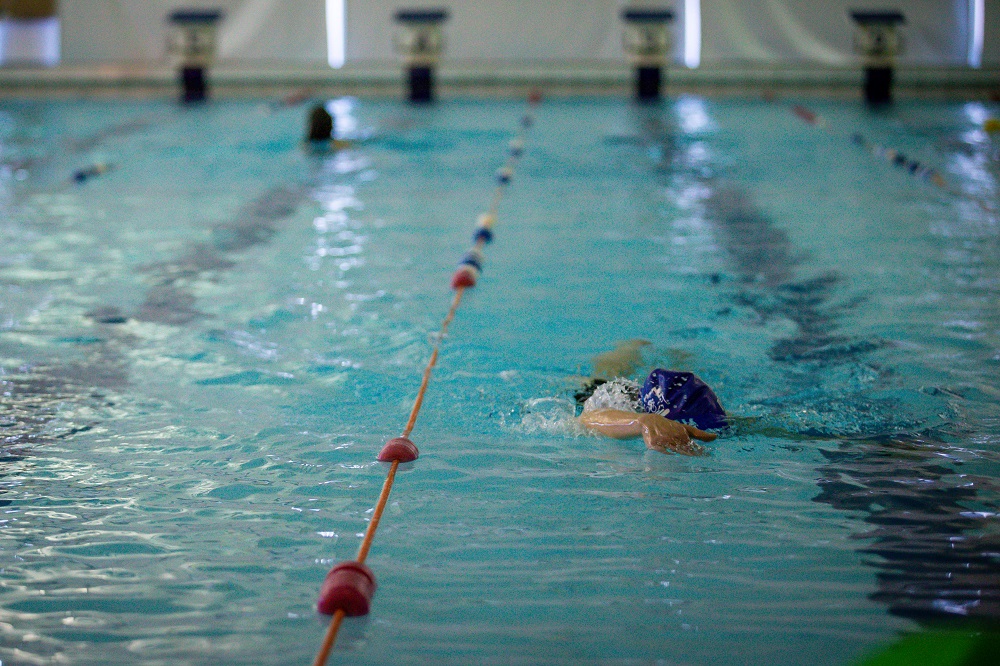
Research led by a Welsh language campaign group has confirmed a lack of provision for swimming lessons in Welsh, leading to calls for children and young people in Wales to share their experiences during the week of the 2026 Urdd Eisteddfod.
In March, Cymdeithas published research showing the ‘continued failure’ of local authorities and some related organisations across the country to offer and deliver swimming lessons through the medium of Welsh, despite clear rights established by Welsh Language Standards since 2016.
The findings reveal that several organisations offer an inadequate choice between ‘English’ or ‘bilingual’ swimming lessons, but no ‘Welsh-only’ option, creating a lack of certainty about full Welsh-medium provision.
Other findings show that organisations do not make it clear on booking systems what the language medium of the lessons being booked is, nor do they offer Welsh easily and proactively as required.
Cymdeithas also found that Welsh-medium lessons are less comprehensive, offered less frequently, and available in fewer leisure centres across local authority areas than equivalent English-medium lessons.
Cymdeithas has submitted a formal complaint to the Welsh Language Commissioner regarding the matter, and has called on her to use her enforcement powers to guarantee the right of all children and young people in Wales to Welsh-medium provision. The Commissioner will visit Cymdeithas’ stand at the 2026 Urdd Eisteddfod in Anglesey today (25 May) in response to the complaint.
Throughout the Eisteddfod week, children in Wales will have the opportunity to share their personal experiences of swimming lessons at Cymdeithas’ stand. Those receiving swimming lessons in Welsh or English will be asked to place a ball into a small swimming pool, with the colour of the ball corresponding to the language of their lessons. The results will be published on Friday (30 May).
Siân Howys, vice-chair of campaigns at Cymdeithas yr Iaith, said: “It is completely unacceptable, ten years after Welsh Language Standards came into force, that children and young people in Wales are still being deprived of swimming lessons through the medium of Welsh – a vital life skill.
“Our research clearly shows that every local authority in Wales is failing to fully comply with the Standards, and we have already submitted a formal complaint to the Welsh Language Commissioner setting this out. As the Commissioner visits our stand today, we expect assurance that enforcement powers will be used to ensure the right of children and young people in Wales to receive swimming lessons in Welsh. The time for excuses is long gone.
“We also want to hear directly from children and young people, and we encourage them to visit Cymdeithas’ stand during the Urdd Eisteddfod week to share their experiences of swimming lessons.”
Welsh Language Commissioner report
The research from Cymdeithas comes on the same day as a new report which provides an overview of the Welsh language provision available to students across Wales.
The new report published today (Monday, 25 May) by the Welsh Language Commissioner analysed responses which were gathered from over 1,500 further and higher education students and presents a ‘mixed picture’ of experiences across the sector, highlighting ‘a need for the Welsh-language experience to extend well beyond the classroom’.
The purpose of the research was to consider the provision of Welsh language services to students across four specific areas:
- students’ ability to submit written work in Welsh
- the option to choose accommodation with Welsh speaking students
- the offer and allocation of a Welsh speaking personal tutor
- access to wellbeing services through the medium of Welsh.
In addition, the research examined the wider use of Welsh by educational institutions, including campus language culture and how Welsh language services are promoted to students.
As the experiences of children and young people in using Welsh is a specific theme in the Welsh Language Commissioner’s Strategic Plan, this research makes an important contribution to understanding how Welsh language services are delivered and operate in practice for students.
Osian Llywelyn, Deputy Welsh Language Commissioner, said: “Given the importance of sustaining and developing the continued use of the Welsh language, it is essential to recognise the key role that further education colleges and higher education institutions play in ensuring that students have the opportunity to use Welsh naturally as part of their academic and social lives.
“This research offers us a clearer understanding of students’ direct experiences of the Welsh language services available to them, focusing on areas where specific duties are set out through the Welsh language standards, as well as on the wider culture that influences day-to-day use of the language.
“While it is encouraging to see strong examples of good practice, that experience is not consistent across the sector. As a result, we have identified clear improvement actions, and we will be asking the relevant institutions to address them. I look forward to constructive and positive discussions over the coming months.”
James Owen, Chief Executive of Medr, the body responsible for funding and regulating tertiary education in Wales, added: “This research provides a valuable insight into the experiences of Welsh-speaking learners in further and higher education in Wales.
“The findings present a varied picture and underline the need to do more to support the tertiary education sector, its staff, and its learners, to move further along the Welsh-language skills continuum over time.
“For Medr, a positive and enriching Welsh-medium learner experience is key to enabling Cymraeg to flourish, both within the tertiary sector and across Welsh society more broadly.
“Medr’s new Welsh Language Condition will place a clearer focus on the role of providers in promoting and supporting the use of Cymraeg, and on fostering an environment where staff and learners can use the language naturally. Colleges and universities will be expected to demonstrate how they will promote the value of Cymraeg, the benefits it offers, and how they will create formal and informal opportunities for staff and learners to develop the skills needed to use Welsh in their everyday lives.”
According to Ioan Matthews, Chief Executive of Coleg Cymraeg Cenedlaethol, the research is timely: “Learners’ experiences of Welsh during their time in college or university have a significant influence on their ability and willingness to use the language later in the workplace. While progress has been made in Welsh-language provision as a result of the Coleg’s work, this research once again highlights the need for the Welsh-language experience to extend well beyond the classroom.
“The improvement actions provide a clear pathway for colleges and universities to work with organisations such as Medr, the Welsh Language Commissioner and the Coleg to improve the service for learners. In light of recent changes to the tertiary education landscape, this is more important than ever.”
Support our Nation today
For the price of a cup of coffee a month you can help us create an independent, not-for-profit, national news service for the people of Wales, by the people of Wales.
Get more trusted Welsh news
Choose Nation.Cymru as a preferred source in Google News to see more of our journalism.


