


Universal credit health benefit cut for new claimants as reforms take effect
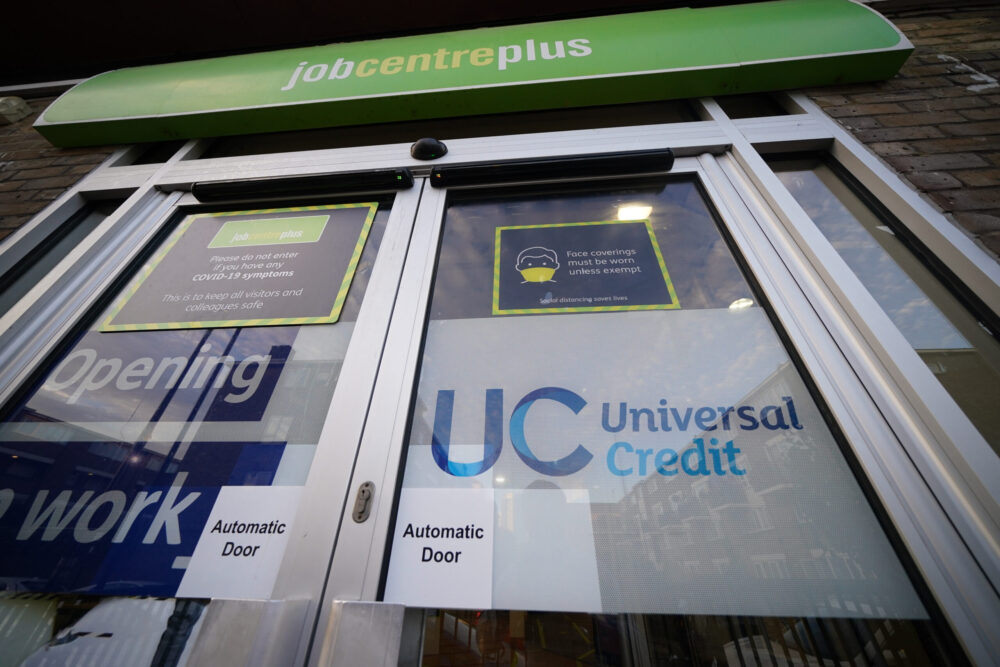
Welfare changes from this week will reform a system that has “for too long locked disabled people and people with long-term conditions out of work”, the UK Government has said.
The reforms will tackle what ministers have branded “perverse incentives” which they argued encouraged people to stay on benefits without support to move into work.
From Monday, new claimants for the health element of universal credit (UC) will get a lower rate of £217.26 a month.
Universal credit is a payment to help with living costs and is available for people in work who are on low incomes, and those who are out of work or cannot work.
People with the most severe, lifelong conditions, people nearing the end of life, and all existing UC health claimants will continue to receive the higher monthly rate of £429.80.
The change will save taxpayers around £1 billion, the UK Government has said.
Statistics published last month showed there were 2.7 million people on UC assessed as having limited capability for work and work-related activity (LCWRA) across England, Scotland and Wales.
People in this category are not required to undertake any interviews or work-related activity.
The UK Government has pledged that its investment in tailored employment support can offer people opportunities, supporting them to move into and stay in work “rather than leave people stuck on benefits”.
Also this week, the standard rate of UC will be boosted, in what ministers have said is an effort to “bear down on the cost of living”.
It said this will result in almost four million households on the standard rate of UC getting around £295 extra this year in cash terms.
Social security and disability minister Sir Stephen Timms said: “The welfare system we inherited has for too long locked disabled people and people with long-term conditions out of work.
“Laws coming into force today will change that, reducing projected expenditure on universal credit by almost £1 billion.
“Simultaneously boosting the standard allowance and investing £3.5 billion in employment support means we’re creating a welfare system that backs people to work and helps them build a better future.”
Last year, ministers were forced to climb down on plans to also reform disability benefits, including for those with mental health conditions, in the face of backbench Labour opposition.
Instead of immediate reform, the Timms review is seeking views on personal independence payment (Pip) and how it works.
Minsters have promised any changes to the benefit – which helps with extra living costs for people who have a long-term physical or mental health condition or disability and difficulty doing certain daily tasks or with mobility because of their condition – have been postponed until after that takes place.
The review is expected to report to Work and Pensions Secretary Pat McFadden by autumn, with the UK Government stating that an interim update will come ahead of that.
Support our Nation today
For the price of a cup of coffee a month you can help us create an independent, not-for-profit, national news service for the people of Wales, by the people of Wales.



Just wondering why you have presented the cut to the health element on a per month basis, but the increase to the standard rate on a per year basis?