


Wales joins call to strengthen children’s rights
Martin Shipton
Wales has joined a joint call with Children’s Commissioners and Ombudsmen from across Ireland, Scotland, Northern Ireland and Jersey to strengthen how children’s rights are protected in law.
The group is urging governments to fully incorporate the UN Convention on the Rights of the Child (UNCRC) – a move they say would ensure children’s rights are not just recognised, but actively applied in decisions that affect their lives.
The statement highlights progress already made in Wales, but stresses that more needs to be done to ensure all children are visible, supported, and able to have their voices heard.
The Commissioners also point to international evidence, stating: “Evidence from Norway and Sweden shows that incorporation leads to more transparent, equitable and accountable policy-making. It improves the quality and effectiveness of public services by ensuring decisions are guided by a clear and consistent rights framework. In turn, this results in more efficient use of public spending by addressing the root causes of inequality and ensuring that resources are directed where they are most needed and will have the greatest impact.”
They say this shows how embedding children’s rights in law can lead to better decisions, stronger services, and improved outcomes, particularly for those facing the greatest challenges.
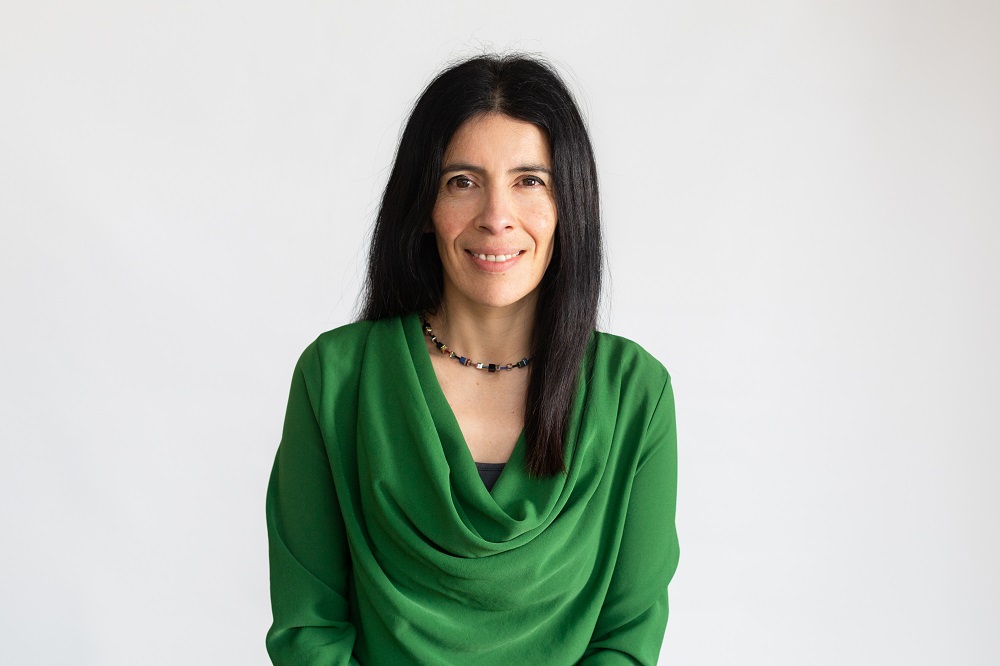
Children’s Commissioner for Wales Rocio Cifuentes said: “Wales has already taken important steps to promote children’s rights, but we know there is more to do to make sure those rights are fully realised in practice.
“Working together like this helps us share learning and strengthen how we can support children and young people across all our nations.
“Incorporating the UNCRC helps make sure every child is seen, heard and supported – especially those who need it most.”
Wales already has partial incorporation through a legal duty known as “due regard”.
Under the Rights of Children and Young Persons (Wales) Measure 2011, Welsh Ministers must formally consider the UNCRC whenever they make decisions, develop policies, or create new laws.
National law
Moving beyond “due regard” to full, direct incorporation transforms the UNCRC from a guideline for ministers into a binding national law, a step taken by nations such as Norway, Sweden, Spain, Iceland, Belgium, and Scotland.
By writing this global treaty directly into domestic law, these countries ensure that the rights of children and young people are practically protected in several key ways:
* Direct Court Action. Children, families, and advocacy groups can use specific UNCRC articles in local courts to challenge unfair decisions made by public bodies.
* Overturning Bad Laws. National courts can review domestic laws. If a local or national law goes against the treaty, judges can rule that the treaty comes first or force parliament to rewrite the law.
* Legal Duties for Public Services. Public institutions like schools, hospitals, police forces, and local councils are legally forced to follow the UNCRC. Governments must also officially check that new budgets and policies will not harm children before passing them.
* A Safety Net for Vulnerable Groups. It creates a reliable, equal layer of legal protection for everyone under the age of 18, closing gaps in the system that often fail children living in poverty, who are disabled, and those who are looked after or care-experienced.
* The Right to Be Heard: It legally enforces the rule that children must be listened to. Public authorities are required to formally consider their views in any administrative decisions or court cases that affect them.
Legally enforceable rights
The joint declaration states: “We welcome the new Welsh Government’s commitment to move towards full, direct incorporation of the UNCRC, ensuring children and young people in Wales gain the same legally enforceable rights as those in Scotland and other pioneering nations.
“As the Commissioners and Ombudsman for Children in our five respective jurisdictions – Northern Ireland, Ireland, Scotland, Wales and Jersey – we jointly reaffirm our commitment to the full and direct incorporation of the United Nations Convention on the Rights of the Child (UNCRC) into domestic law across all jurisdictions within our network.
“Incorporation is a vital step to ensure that the rights – civil, political, economic, social, and cultural – of every child are not only recognised but protected and upheld in law, policy, and practice. Article 4 of the UNCRC places a clear obligation on States Parties to take “all appropriate legislative, administrative, and other measures” for the implementation of the rights recognised in the Convention. Incorporation gives real and enforceable weight to this obligation, ensuring that children’s rights are not aspirational but actionable.
“We welcome the positive progress made in several of our jurisdictions. Scotland has passed legislation to incorporate the UNCRC to the fullest extent possible within a devolved jurisdiction, setting a powerful example of how the law can be used to centre children’s rights
in public life. Wales continues to build on its Rights of Children and Young Persons (Wales) Measure 2011 with further work on impact frameworks and policy coherence. In Jersey, significant steps have also been taken to embed the UNCRC in legislation and policy through the Children (Convention Rights) (Jersey) Law 2022.
“The incorporation of the UNCRC into domestic law is not symbolic—it is transformative. It has the potential to change the everyday lives of babies, children, young people, and families by embedding a rights-based approach in the decisions that affect them. This is crucial for all children and particularly so for those facing the greatest adversity, including children with disabilities, those in care, young people experiencing poverty, and those from minority or marginalised communities. Incorporation strengthens the legal and institutional frameworks that protect children and ensures their voices are heard.
“We, as independent institutions established to promote and safeguard the rights of children, call on our respective governments to act with urgency and ambition. Incorporating the UNCRC into domestic law is not only a legal and moral obligation – it is a commitment to building a society where all children are seen, heard, and valued.”
Support our Nation today
For the price of a cup of coffee a month you can help us create an independent, not-for-profit, national news service for the people of Wales, by the people of Wales.
Get more trusted Welsh news
Choose Nation.Cymru as a preferred source in Google News to see more of our journalism.



Isn’t this the same intellectual titan who got To Kill a Mockingbird and Of Mice and Men banned from the school syllabus?