


Wales’ oldest synagogue to be saved with multi million pound grant
Emily Price
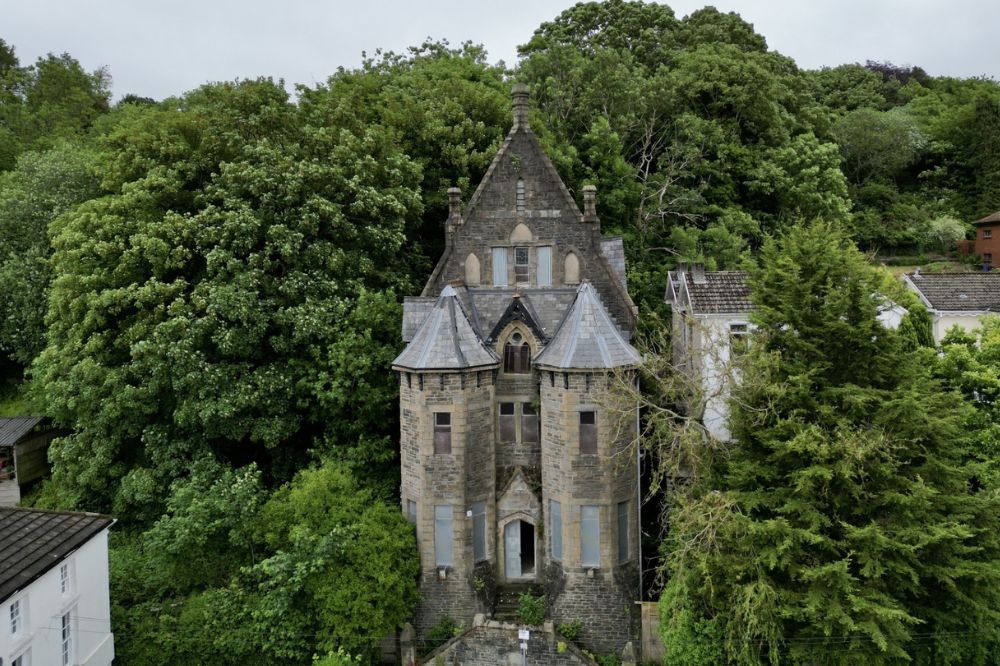
Wales’ oldest surviving synagogue is to undergo a major restoration after receiving nearly £4 million in funding from The National Lottery Heritage Fund.
£3.9m funding has been awarded to save the historic synagogue in Merthyr Tydfil enabling its transformation into the Welsh Jewish Cultural Centre.
Architecturally, it is regarded as one of the most significant synagogues in the UK and is the only example built in the heavy Northern Gothic style.
The cornerstone of the historic building was laid on 15 Mar 1876, 150 years ago, and it functioned as a synagogue until 1983.
After a brief time as a Christian centre, it functioned as the main fitness centre in Merthyr for 20 years.
Much of the synagogue’s historic interior was erased during the conversion, with the prayer hall removed, the ark taken out, and a new floor installed across the balcony level to make room for gym equipment.
The synagogue will now undergo a full restoration, with the aim of creating new opportunities for local people through jobs, volunteering and community activities, as well as educational programmes for schools.
The project will also celebrate local stories and experiences while providing new facilities for the wider community.
David Bearman, Chair of Trustees, Welsh Jewish Cultural Centre said: “We are delighted to have received funding from The National Lottery Heritage Fund to save the historic Synagogue in Merthyr Tydfil, the most important Jewish heritage site in Wales.
“Lottery support will allow us to reopen the building to the public and establish a new Welsh Jewish Cultural Centre with an exhibition that tells the stories of the contribution of Welsh Jewish communities to social and economic development in Wales, and with a diverse programme for learning, events and activities.
“We thank all Lottery players who have made this possible”.
An artist will work with the local community to create new stained glass that reflect contemporary themes and links past to present.
The prayer hall will be recreated by restoring the ark and balcony and there will be a permanent exhibition exploring key themes including Judaism, Welsh Jewish history and the story of the building.
The surrounding landscape will provide further activity space and feature interpretation with a tree propagated from the original Anne Frank tree in Amsterdam.
Andrew White, Director for Wales, The National Lottery Heritage Fund said: “The Welsh Jewish Cultural Centre project will bring to life the rich and often under-told stories of Jewish communities in Wales, celebrating over 250 years of history and culture.
“Thanks to National Lottery players, this support will help restore and safeguard a historic Welsh synagogue and create a vibrant space where these stories can be shared, explored and enjoyed by future generations.”
The programme of events will include talks, performances, guided tours, festivals and workshops exploring Jewish heritage and local history.
Celebrations marking major Jewish festivals will also be held, helping to promote interfaith dialogue and greater cultural understanding within the community.
The restored building will host a Young Curator programme, giving young people the opportunity to help develop exhibitions and activities.
A separate project with local primary schools will encourage pupils to research the Jewish families who once lived in Merthyr, with their findings used to inspire new artworks.
Support our Nation today
For the price of a cup of coffee a month you can help us create an independent, not-for-profit, national news service for the people of Wales, by the people of Wales.
Get more trusted Welsh news
Choose Nation.Cymru as a preferred source in Google News to see more of our journalism.


