


Warmer weather could mean more new year flowers but put wildlife at risk – study
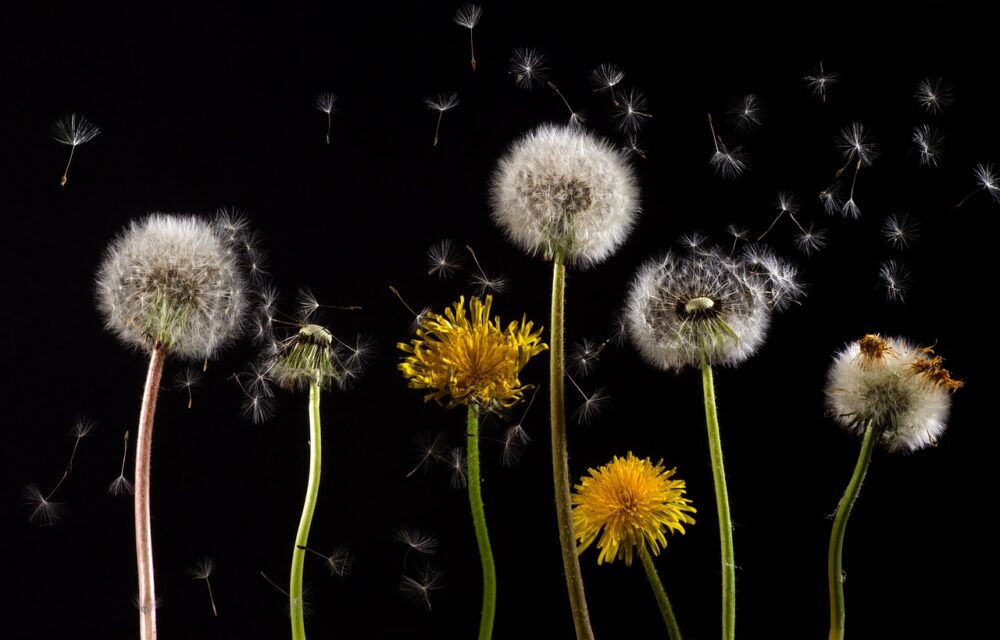
A wildlife charity has warned that ecosystems and animals are at risk after a new year study suggested changes to British and Irish flora could be linked to climate change.
A survey recording plants in flower around New Year’s Day suggests rising temperatures could be linked to changes in the blooming patterns of plants, Met Office analysis has shown.
The 10th annual survey shows a “significant relationship” between warmer weather and more flowers blooming, the forecaster said.
The survey found 310 native species in flower, considerably more than the 10 expected at this time of year, with around half flowering late and a quarter flowering early.
Changes to when plants bloom is cause for concern for some species of wildlife, which rely on regular blooming patterns for feeding, breeding and hibernation cycles.
A spokeswoman for the Botanical Society of Britain and Ireland (BSBI), which runs the survey, said the flowering period for most plants has not changed, meaning those that flower early may no longer be in bloom when wildlife needs them.
According to the study, dandelions, gorse, lesser celandine and cow parsley were among the common species to flower early.
Kathryn Brown, director of climate change and evidence at the Wildlife Trusts, described the issue as an “ecological mismatch” between the natural cycles of plants and wildlife.
Ms Brown said: “This does two things. First of all, it’s cutting off food supplies for those pollinating insects, and it can reduce survival and breeding success.
“It also reduces pollination of those plants, because the insects are not there at the time when the plants are flowering, and that’s leading to reduced plant success as well, and you see that in crop growth in particular.”
Hibernation cycles
Warmer temperatures can also disrupt hibernation cycles, she added, causing animals to wake up more often during the winter and at risk of being unable to find food.
Ms Brown said insect populations, which are already dramatically declining in the UK, are particularly impacted by the mismatch of cycles.
The drop in insect populations mirrors a decline in insect-feeding birds, such as swifts, swallows and house martins, migrating to the UK in the summer.
“Flowers are linked to insects, which are linked to birds, but that transfers on further up the food chain and in both directions,” Ms Brown said.
“This is why we’re so worried about the impact of climate change on nature, because the impacts can be profound, and entire systems could well collapse as warming increases.”
Ecological mismatch also leaves specialist species of insects, which only feed on one type of plant, at risk.
This includes the yellow-loosestrife bee, which relies on yellow loosestrife for food, or Clarke’s mining bee, which only feeds on willow.
Ms Brown said: “We’re about to pass through 1.5C of global warming. There’s no sign of it abating anytime soon, because global emissions are still increasing.
“I always say, the most important thing that anybody can do is tell their MP that they want them to act on climate and nature loss.”
Nick Turrell, a horticultural adviser for the Royal Horticultural Society (RHS), based in Surrey, said the findings of the New Year Plant Hunt mirrors what he has observed.
He said: “Even walking around the gardens at lunchtimes, you see plants flowering now that wouldn’t ordinarily be flowering. They’ve been flowering in the last three of four weeks, even, and you wouldn’t normally expect to see them until January-time.
“This year we are slightly ahead, definitely. Which is to be expected, 2025 was the (UK’s) warmest year on record, so you would expect that nature would respond accordingly.”
Mean temperature
The Met Office confirmed on Friday that the mean average temperature for the country across 2025 was 10.09C, beating the previous record of 10.03C set just three years earlier in 2022.
Mr Turrell said gardeners can make changes to adapt to the environment to give plants and wildlife the best chance of survival.
“If they look after the soil, collect more rainwater rather than using mains and choose plants wisely, these are three, really good things that gardeners can be doing to help future-proof gardens and look after the environment at the same time,” he said.
Support our Nation today
For the price of a cup of coffee a month you can help us create an independent, not-for-profit, national news service for the people of Wales, by the people of Wales.


