


Watch: Runners trace polluted Welsh river in bid to raise awareness
Amelia Jones
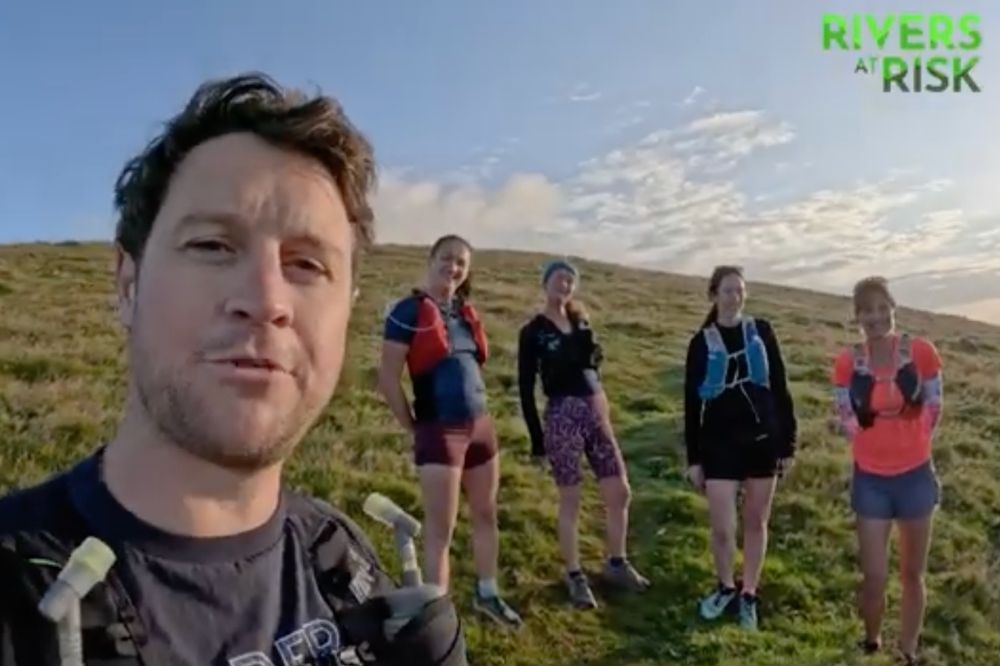
A team of runners have completed a 50-kilometre journey along a Welsh river to highlight the environmental challenges the river and the wildlife using it are facing.
The run took participants on along the River Cleddau, from the Pembrokeshire Coast National Park to the estuary.
The route through the hills, ancient woodland, and farmland offered a first-hand view of the river and its habitats. Along the way, the runners met local people who rely on the river and observed evidence of pollution affecting water quality and wildlife.
The runners documented their journey via a short film they released on Youtube.
According to the Campaign for National Parks’ at Rivers at Risk Report, 48% of rivers in Welsh National Parks are failing to meet good ecological status.
The River Cleddau is one of the Rivers at Risk identified as being in critical condition, with only 18% of its water bodies considered healthy.
The report attributes 72% of river failures to agriculture and rural land management, while the water industry contributes to 21%.
In 2024, combined sewage overflows (CSOs) discharged for a title of 34,567 hours across 33 locations, with an average of over 1000 hours per site – four times higher than for sewer overflows outdid national parks.
Gareth Ludkin from the Campaign for National Parks, said: “The River Cleddau is taking a beating from sewage, farming, industry and more.
“Climate change is piling on the pressure and the whole ecosystem is in trouble.”
Early sections of the river within the National Park appeared clean, but water deteriorated further downstream. Water testing showed higher phosphate levels, indicating a decline in water quality outside the protected area.
Watch here:
Local fishermen described the decline in aquatic life over decades. Allan Lewis, a lifelong resident said: “Well, there’s definitely not as much life in the river as they were used as years ago.
“The river system further up in the fresh water just can’t sustain the life that it used to.
“You’re up river now you go look around you get no minnows, no fry, there’s no aquatic life, no weed. The rivers are sort of dying or dead.”
The run also highlighted the impact of invasive species such as Himalayan balsam, which was smothering native plants along the riverbank.
Farmers discussed efforts to reduce pollution, including soil sampling and reduced use of inorganic fertilisers, as part of ongoing habitat restoration work.
The run comes as the Welsh Government prapares water system reforms described as ‘once-in-a-generation opportunity’ to improve water quality in National Parks.
The Campaign For National Parks is calling for legally binding requirements to clean up rivers, strengthened duties on water companies, nature-based solutions, upgraded sewage treatment works, and stricter controls on agricultural pollutants.
The runners completed the journey at the estuary, observing algal blooms and other signs of nutrient pollution entering the sea.
The experience gave participants a deeper understanding of the challenges facing rivers, their connection to marine ecosystems, and the urgent need for action to restore water quality in Wales’ protected landscapes.
You can support the work of Campaign for National Parks here.
Support our Nation today
For the price of a cup of coffee a month you can help us create an independent, not-for-profit, national news service for the people of Wales, by the people of Wales.


